The Importance of Air Filter Converters in Reducing Exposure to Heavy Metals
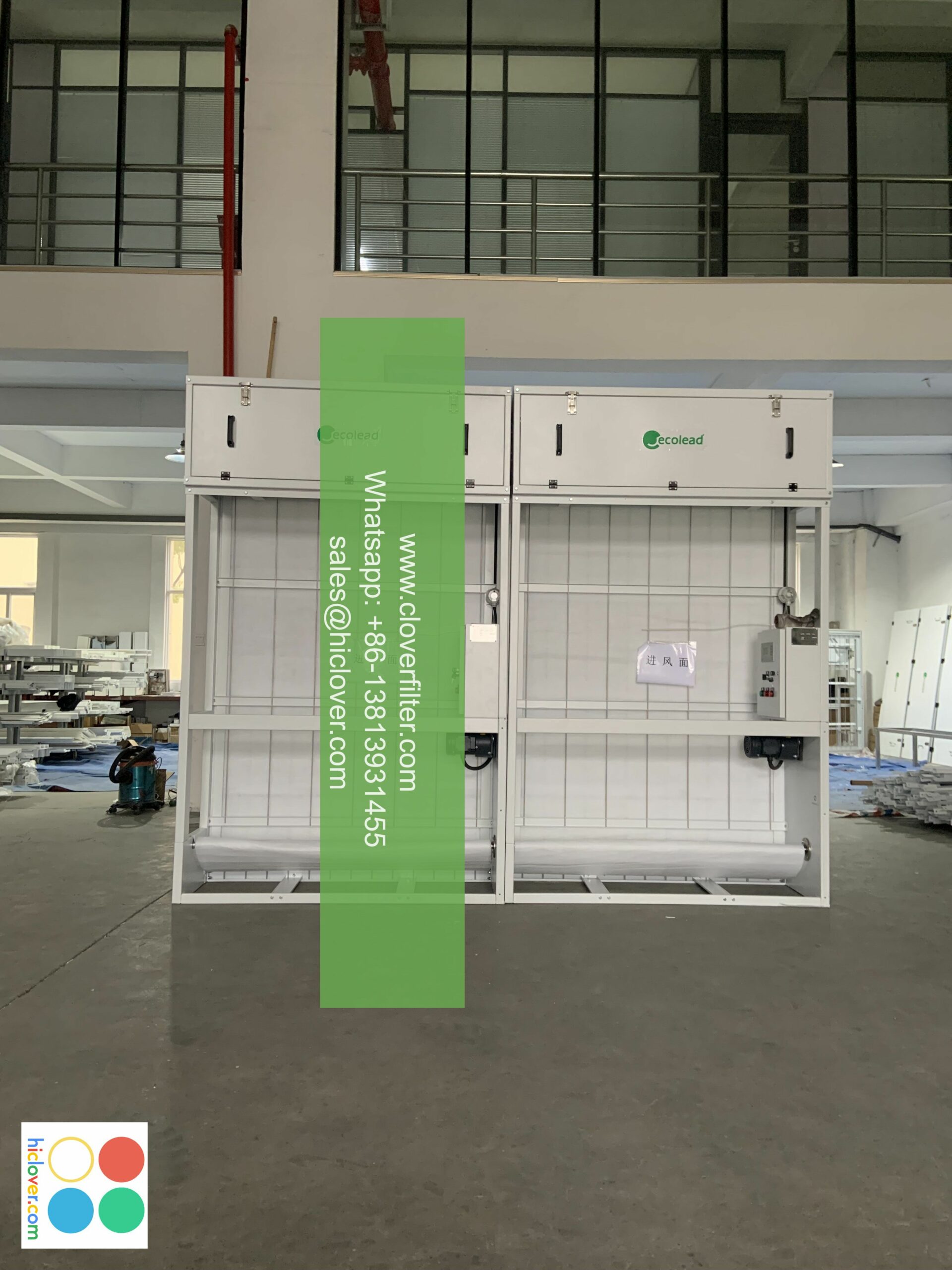
Air quality has become an increasingly pressing concern for both public health and environmental integrity. One of the most insidious threats to air quality is the presence of heavy metals, which can accumulate in the body and lead to serious health issues. To combat these contaminants, the use of air filter converters has emerged as a critical solution.
What are Air Filter Converters?

Air filter converters are advanced filtration technologies designed to capture a wide range of airborne pollutants, particularly heavy metals like lead, mercury, cadmium, and arsenic. These systems often incorporate multi-layered filter designs, activated carbon, and other specialized materials to enhance their efficiency in trapping microscopic particles and harmful substances.
How Do Air Filter Converters Work?
Air filter converters utilize various mechanisms to reduce exposure to heavy metals. These include:
- Physical Filtration: Utilizing fine mesh to trap particulate matter.
- Chemical Absorption: Activated carbon layers chemically bind with heavy metals, preventing them from re-entering the air.
- Electrostatic Precipitation: Charges attract particles, allowing them to be captured effectively.
- Enhanced Health Protection: By reducing exposure to harmful heavy metals, these filters protect vulnerable populations, particularly children and the elderly.
- Regulatory Compliance: Industries can meet environmental regulations more effectively, minimizing their carbon footprint.
- Cost-Effectiveness: Investing in air filter technology can lead to long-term savings by reducing health-related costs and improving worker productivity.
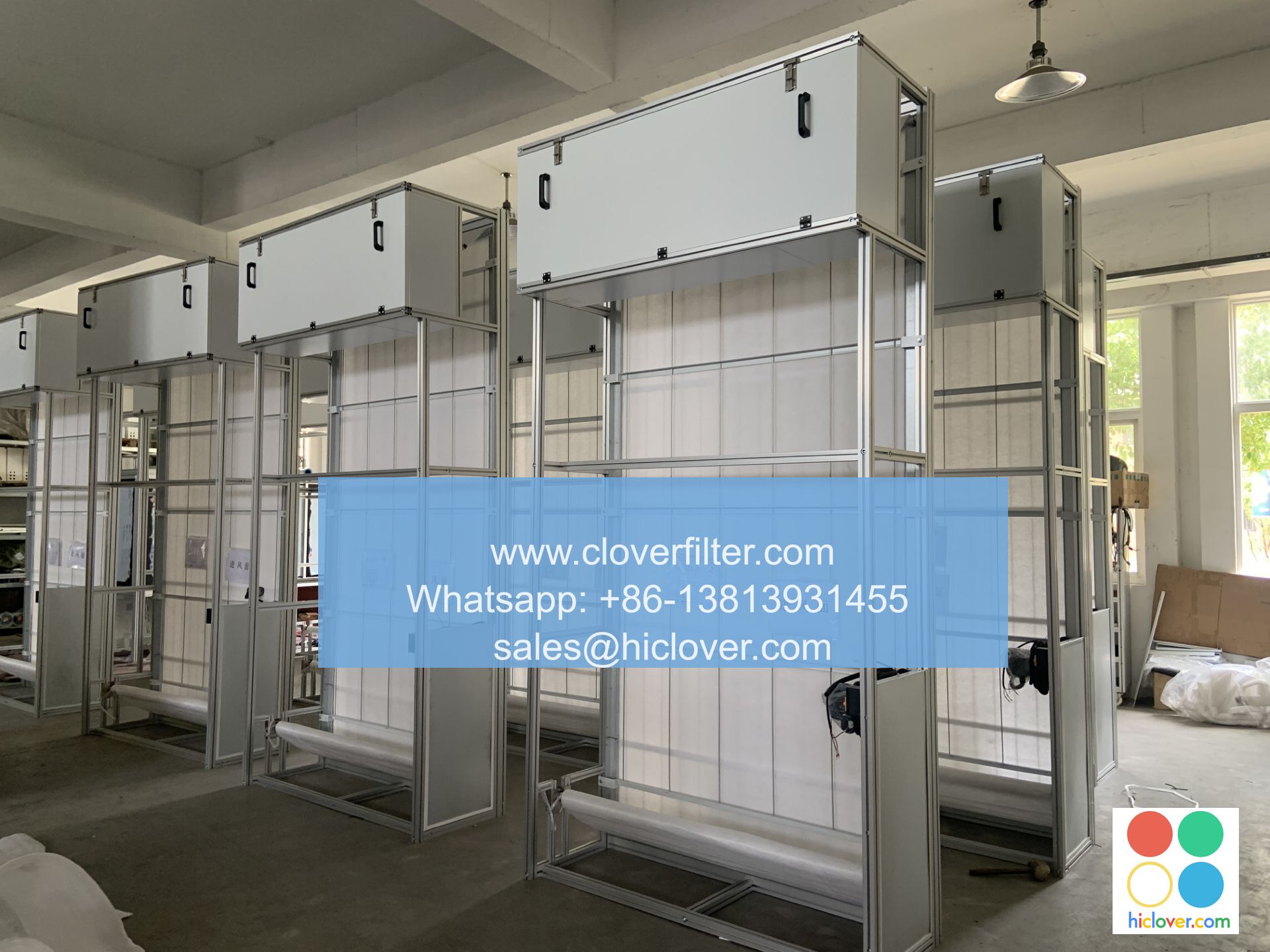
Application Areas for Air Filter Converters
The significance of air filter converters extends across numerous application areas:
1. Industrial Settings
Manufacturing facilities, power plants, and metal processing industries often release heavy metals into the air. Air filter converters help create safer working conditions by significantly reducing airborne contaminants.
2. Urban Environments
In densely populated urban areas, vehicle emissions and construction activities contribute to high levels of air pollution. Installing air filter converters in buildings and public transportation systems can significantly lower the risk of heavy metal exposure for residents and commuters.
3. Residential Use
Homeowners can benefit from air filter converters in HVAC systems. These systems not only improve indoor air quality but also provide a protective barrier against allergens and heavy metals, enhancing overall family health.
4. Healthcare Facilities
Hospitals and clinics face unique challenges regarding air quality. Heavy metals can compromise patient health and hinder recovery. Air filter converters improve ventilation and ensure a cleaner, safer environment for patients and staff.
The Benefits of Using Air Filter Converters
Implementing air filter converters provides numerous benefits:
Conclusion
As awareness about air quality continues to grow, the role of air filter converters in reducing exposure to heavy metals becomes increasingly important. With applications spanning industrial sectors, urban design, residential spaces, and healthcare, these technologies represent a vital investment in public health and environmental sustainability. Implementing advanced air filtration systems is not just a necessity; it is a proactive approach to ensuring healthier communities and a cleaner planet.
It seems like your message got cut off. Could you please provide more context or specify what kind of prompt you are looking for? Whether it’s for writing, brainstorming, or a specific topic, I’d be happy to help!
