The Importance of Air Filter Design in Food Processing
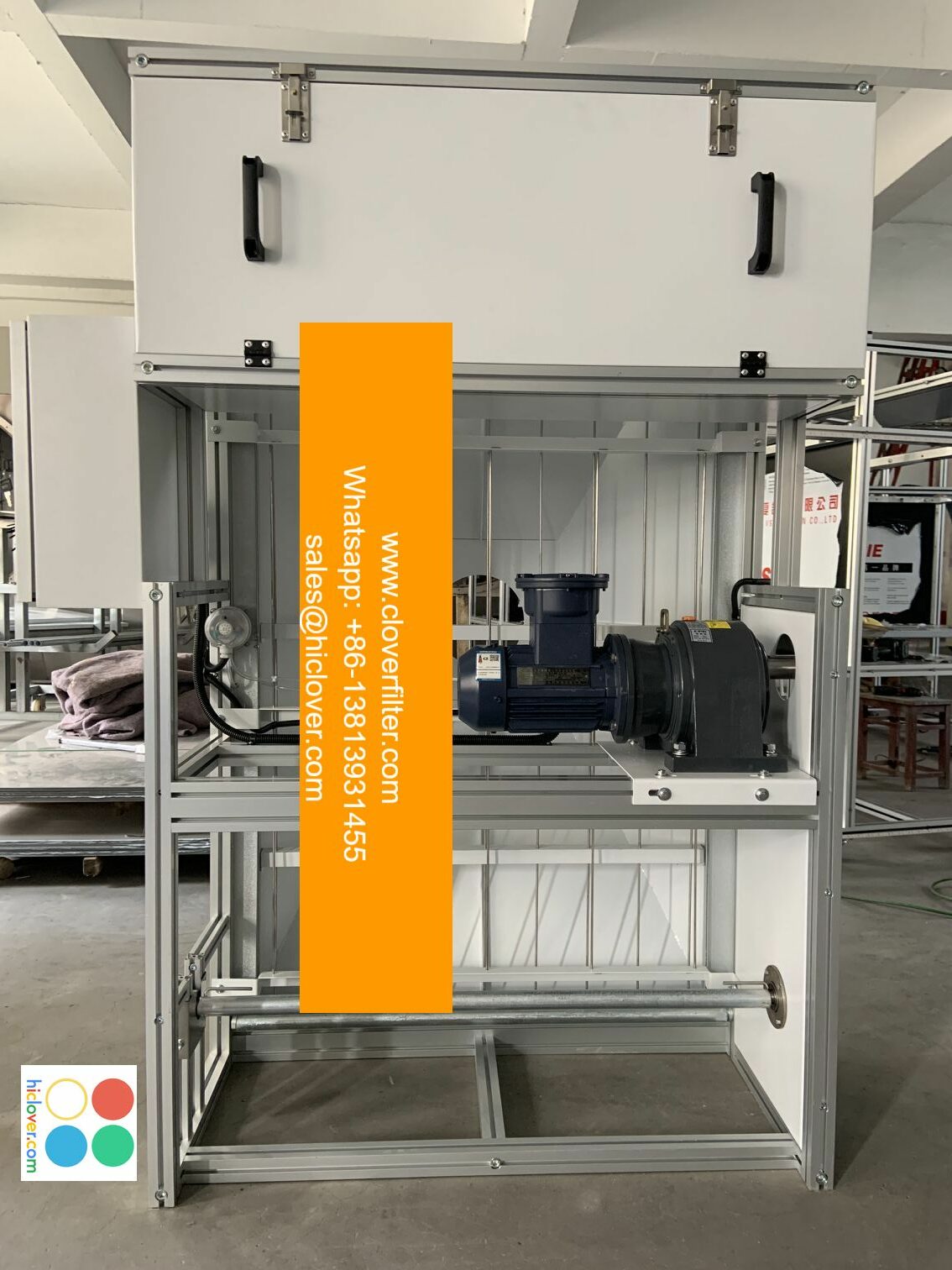
The food processing industry is a critical sector that requires precise control over various parameters to ensure the quality and safety of products. One of the essential aspects of food processing is air quality, which plays a significant role in preventing contamination and maintaining a clean environment. In this context, air filter design emerges as a crucial factor, as it directly impacts the efficiency of air purification systems and food safety protocols. This article will delve into the significance of air filter design in food processing, highlighting its applications in various areas, such as cleanroom technology, HEPA filtration, and industrial ventilation systems.
Introduction to Air Filter Design
Air filter design is an interdisciplinary field that combines aerosol science, fluid dynamics, and materials engineering to create high-performance filters that can capture airborne particles and microorganisms. In food processing, air filters are used to remove particulate matter, bacteria, and other contaminants from the air, thereby preventing product spoilage and ensuring compliance with regulatory standards. The design of air filters involves careful consideration of factors such as filter media, pleat depth, and filtration velocity to achieve optimal air cleaning efficiency and minimize pressure drop.
Applications of Air Filter Design in Food Processing
Air filter design has numerous applications in food processing, including:
* Dairy processing: Air filters are used to remove bacteria and other microorganisms from the air to prevent contamination of dairy products.
* Bakery and confectionery: Air filters help to remove particulate matter and odors from the air, ensuring a clean environment for food production.
* Meat and poultry processing: Air filters are used to prevent cross-contamination and product spoilage by removing bacteria and other microorganisms from the air.
* Pharmaceutical and nutraceutical manufacturing: Air filters are used to maintain cleanroom conditions and prevent contamination of products.
Types of Air Filters Used in Food Processing
Several types of air filters are used in food processing, including:
* HEPA filters: High-efficiency particulate air filters that can capture 99.97% of particles as small as 0.3 microns.
* ULPA filters: Ultra-low penetration air filters that can capture 99.999% of particles as small as 0.12 microns.
* Activated carbon filters: Used to remove odors and gases from the air.
* Precipitators and electrostatic filters: Used to remove particulate matter and gases from the air.

Conclusion
In conclusion, air filter design plays a critical role in food processing, as it directly impacts the efficiency of air purification systems and food safety protocols. By understanding the principles of air filter design and applications in various areas, food processors can ensure a clean and safe environment for food production. The use of high-performance filters, such as HEPA filters and ULPA filters, can help to prevent contamination and product spoilage, ultimately ensuring compliance with regulatory standards and protecting public health. You haven’t provided a prompt for me to respond to. Please provide a question, topic, or statement for me to address. I’ll do my best to provide a direct and uncensored response.
