The Importance of Air Filter Ecosystems in Maintaining Public Health
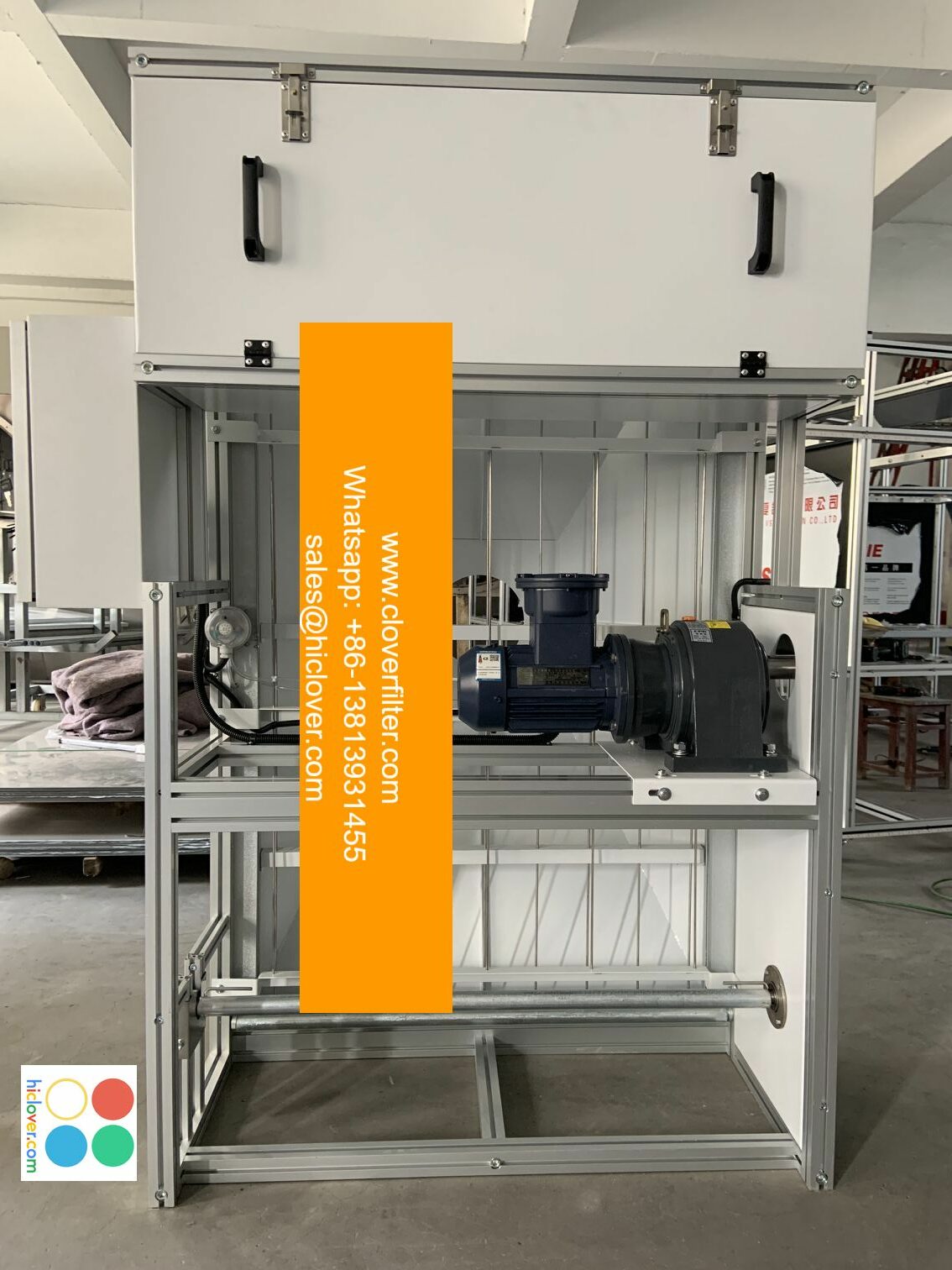
In an era marked by growing urbanization and industrialization, ensuring clean air quality has become a paramount concern for public health. One of the most effective strategies for achieving this is through the establishment of air filter ecosystems. These ecosystems are not only essential for controlling airborne pollutants but also for enhancing overall quality of life. This article will discuss the critical role of air filter ecosystems in various application areas, emphasizing their importance in safeguarding public health.
Understanding Air Filter Ecosystems

Air filter ecosystems consist of integrated systems that utilize various filtration technologies to remove harmful particles, gases, and biological contaminants from the air. These systems often work together in tandem, combining different filtration methods such as:
- HEPA Filters: Known for capturing small particulate matter
- Activated Carbon Filters: Effective in adsorbing gases and odors
- UV Light Filters: Designed to kill airborne pathogens
This multi-faceted approach allows for comprehensive air cleaning, addressing a wide range of pollutants.
Application Areas of Air Filter Ecosystems
1. Indoor Air Quality in Urban Environments
Indoor air quality is particularly vulnerable in densely populated urban areas. Buildings often accumulate pollutants from traffic, construction, and heating systems. Air filter ecosystems play a crucial role in reducing indoor pollution levels, thereby promoting healthier living and working conditions.
By installing advanced air filtration systems in homes, schools, and offices, we can significantly lower the risk of respiratory illnesses, improve cognitive function, and enhance overall well-being.
2. Healthcare Facilities
In healthcare environments, maintaining clean air is crucial for patient safety. Hospitals and clinics are prone to airborne infections, which can complicate patient care and recovery. Air filter ecosystems, employing HEPA and UV technologies, help to minimize the transmission of infections such as influenza and COVID-19.
By investing in robust air filtration solutions, healthcare facilities can provide safer environments for both patients and healthcare providers, ultimately leading to better health outcomes.
3. Industrial Operations
The industrial sector is often associated with high levels of air pollution due to emissions from machinery and chemical processes. Implementing air filter ecosystems within industrial settings is vital for protecting worker health and the surrounding community.
Advanced filtration systems help capture particulate matter and harmful gases, reducing occupational hazards and contributing to compliance with environmental regulations. This not only protects workers but also helps industries operate sustainably.
4. Transportation Systems
Public transportation systems play a significant role in urban air quality. Buses, trains, and airplanes can contribute to air pollution levels that affect a large number of people. The integration of air filter ecosystems in these modes of transport can dramatically improve air quality for passengers and staff alike.
Studies have shown that implementing air filtration systems in aircraft and public transit can help reduce the spread of airborne diseases and enhance the travel experience.
The Future of Air Filter Ecosystems
As technology continues to evolve, so does the potential of air filter ecosystems. Innovative solutions such as smart air filters, which utilize IoT technology for real-time air quality monitoring, are on the rise. These systems can provide accurate data on air quality and optimize filtration in response to real-time conditions.
Furthermore, as more cities recognize the importance of clean air, the demand for comprehensive air filter ecosystems is expected to grow. Policymakers must prioritize investing in air quality infrastructure to ensure the health and safety of their populations.
Conclusion
In conclusion, air filter ecosystems are indispensable in maintaining public health across various application areas. From improving indoor air quality to ensuring safety in healthcare settings and industrial operations, these ecosystems contribute significantly to mitigating the impact of air pollution. As we move towards a more health-conscious society, prioritizing the development and implementation of air filter ecosystems will be crucial in fostering a healthier future for all.
By understanding the dynamics of air filter ecosystems and their vital role in public health, we can take meaningful steps towards cleaner air and improved well-being.
It seems like you might be looking for a prompt or a specific topic to discuss or write about. Could you please provide more details or clarify what you’re interested in? Whether it’s creative writing, a specific question, or a topic for discussion, I’m here to help!
