The Importance of Air Filter Efficiency in Commercial Settings

- Effective air filtration is crucial for indoor air quality.
- Understanding air filter specifications helps optimize HVAC systems.
- Automatic Roll Air Filters provide innovative functionality.
- Regular maintenance can significantly reduce operational costs.
- Compliance with standards like ISO 16890 is essential for performance.
- Incorrect filter selection can lead to inefficiencies and increased energy use.
- Case studies show the real-world impact of proper air filtration solutions.
- Airflow Range: Match the filter to your specific system’s airflow capacity.
- Face Velocity: Ensure optimal velocity to balance filtration efficiency and pressure drop.
- Media Width/Length: Choose media size based on the installation space and specific requirements.
- Frame Size: Confirm compatibility with existing HVAC infrastructure to facilitate easy installation.
- Control Options: Look for filters with smart control options for ease of monitoring and management.
- Power Supply: Ensure the chosen filter is compatible with your facility’s existing power systems.
- Installation Location: Determine if the filter will be used at fresh air intake, return, or process applications.
- Neglecting Specifications: Always consider air filter specifications tailored to your specific needs.
- Ignoring MERV Ratings: Choose filters with appropriate MERV ratings for efficiency.
- Overlooking Installation: Ensure the filter fits within existing systems to avoid installation challenges.
- Underestimating Maintenance Needs: Regular maintenance is crucial for long-lasting performance.
- Inadequate Airflow Knowledge: Know your system’s airflow requirements to maximize filtration efficiency.
- Skipping Performance Testing: Regular testing can identify inefficiencies that may not be visible.
- Choosing Price Over Quality: Balance cost with effectiveness to ensure long-term gains.
- Disregarding Compliance: Be aware of relevant standards but avoid misrepresenting certifications.
- Failure to Train Staff: Proper training can enhance filter management and efficiency.
- Not Considering Energy Implications: Filters can impact energy use; select those that promote efficiency.
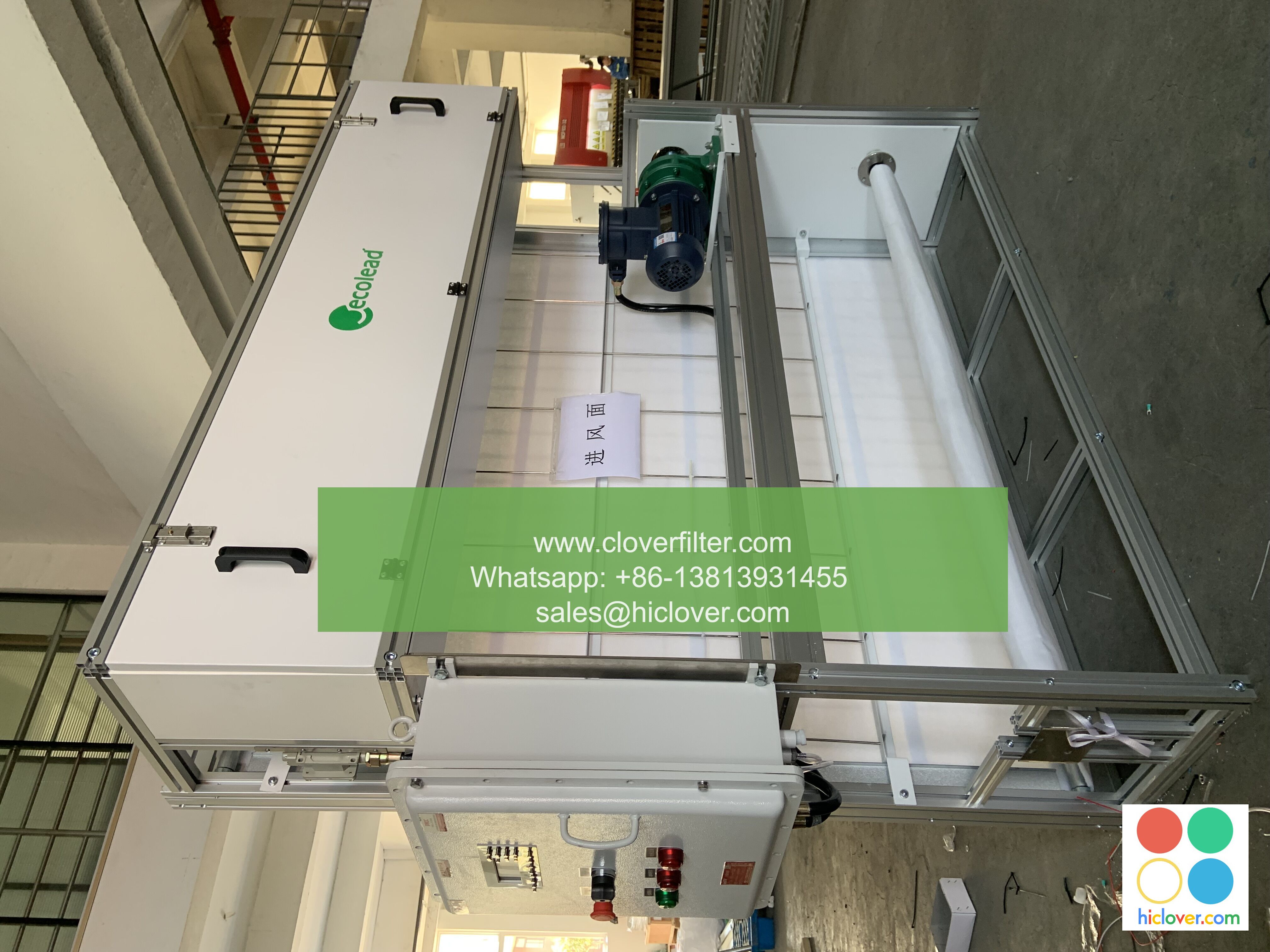
Understanding Air Filter Specifications
Air filter specifications are fundamental in selecting the right filtration solution for commercial settings. These specifications encompass various technical aspects, including airflow range, media efficiency ratings, and pressure drop characteristics. For procurement managers and HVAC engineers, understanding these specifications ensures that the air filtration system meets the operational and environmental requirements of facilities like factories, cleanrooms, and hospitals.
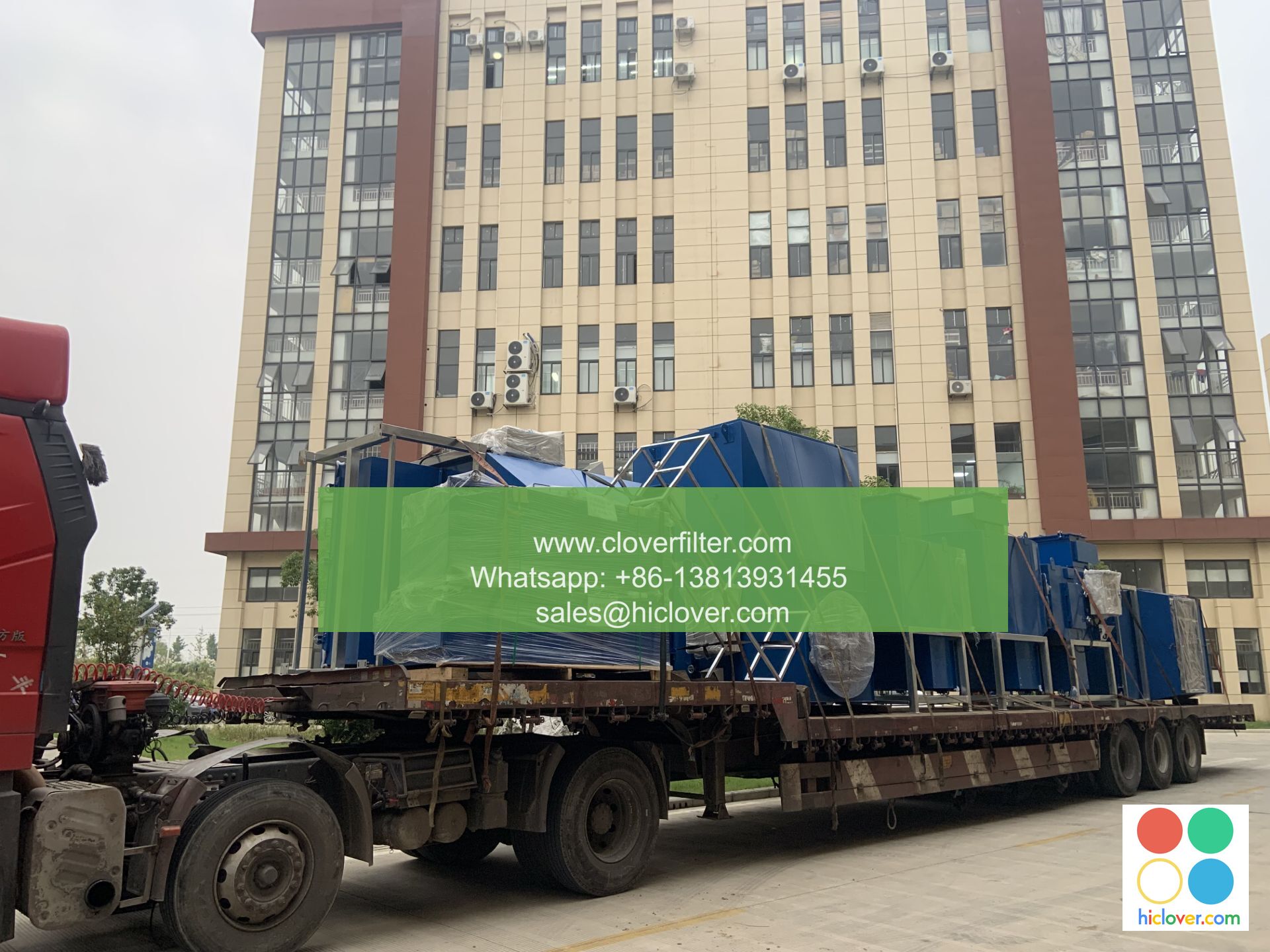
What is an Automatic Roll Air Filter?
An Automatic Roll Air Filter is an advanced filtration solution designed to streamline air purification in commercial HVAC systems. It operates by utilizing a roll media advance logic, allowing it to extend and retract filter media automatically. This system works based on a differential pressure trigger, which activates the filter roll when pressure drops, ensuring continuous air flow without compromising air quality. Additionally, it can be set to a timer mode for proactive maintenance and energy savings.
How It Fits in HVAC/AHU Systems:
Automatic Roll Air Filters are typically integrated into fresh air intake and return paths in Air Handling Units (AHUs). By continuously capturing particulate matter while minimizing pressure drop, these filters enhance the overall efficiency of the HVAC system.
Key Selection Criteria for Air Filters
When selecting an air filter, several key factors should be considered:
Comparison Table
| Filter Type | Best Use Case | Maintenance | Pressure Drop Behavior | Operating Cost | Typical Risk/Downside |
|---|---|---|---|---|---|
| Automatic Roll Air Filter | High airflow environments | Low | Minimal to moderate | Moderate to low | Requires power supply |
| Bag Filter | General purpose HVAC | Moderate | Moderate | Moderate | May require frequent replacement |
| Panel Filter | Light-duty environments | High | Higher | High | Limited particulate control |
| V-bank Filter | High-efficiency applications | Moderate | Low | Low | More complex installation |
Common Mistakes & How to Avoid Them
When selecting air filters, some common mistakes can lead to inefficiencies:
Real-World Scenarios
Data Center
In a data center, maintaining optimal air quality is essential. An Automatic Roll Air Filter was installed in the fresh air intake system, resulting in improved energy efficiency and reduced downtime due to particulate accumulation on sensitive equipment.
Lithium Battery Factory
A lithium battery manufacturer integrated an Automatic Roll Air Filter into its HVAC system. With effective particulate control, the facility achieved compliance with industry standards, enhancing worker safety and product quality.
Paint Shop
In a paint shop, air quality is vital to avoid contamination. The installation of Automatic Roll Air Filters minimized air pollutants and improved the overall environment, reducing defects in painted products.
Textile and Cement Plants
Textile and cement plants often deal with high dust levels. By utilizing Automatic Roll Air Filters, these industries greatly improved air quality, lowering maintenance costs and enhancing employee comfort.
Frequently Asked Questions
Q1: How often should I change air filters?
A: The frequency of air filter change depends on usage and air quality conditions; typically, every 3-6 months is recommended.
Q2: Can I use different filter types in one system?
A: Generally, it is best to use the same type of filter throughout a system for optimal performance.
Q3: What is MERV, and why does it matter?
A: Minimum Efficiency Reporting Value (MERV) measures filter efficiency. Higher MERV ratings indicate better air filtration.
Q4: How do I know if my filters are efficient?
A: Regular performance testing and monitoring pressure differentials can indicate filter efficiency.
Q5: Are Automatic Roll Air Filters more cost-effective?
A: Yes, they often reduce long-term costs through lower maintenance and energy use.
Q6: What standards should I look for in air filters?
A: Common standards include ISO 16890 and MERV ratings, but always verify specific certifications upon request.
Key Takeaways
When purchasing air filters for commercial applications, consider technical air filter specifications, choose the right type of filter (like the Automatic Roll Air Filter), and ensure compliance with industry standards. Effective filtration can substantially benefit air quality and operational efficiency.
For more tailored air filtration solutions, explore what CloverFilter has to offer at CloverFilter, or contact us for help selecting the right filters: Contact CloverFilter.
Meta Description: Discover the significance of air filter efficiency in commercial HVAC systems, focusing on Automatic Roll Air Filters and their specifications.
It seems that you might have accidentally submitted a message without any specific context or question. How can I assist you today? If you have a prompt or topic in mind, please share it, and I’ll do my best to help!
