The Importance of Air Filter Groups in Industrial Settings
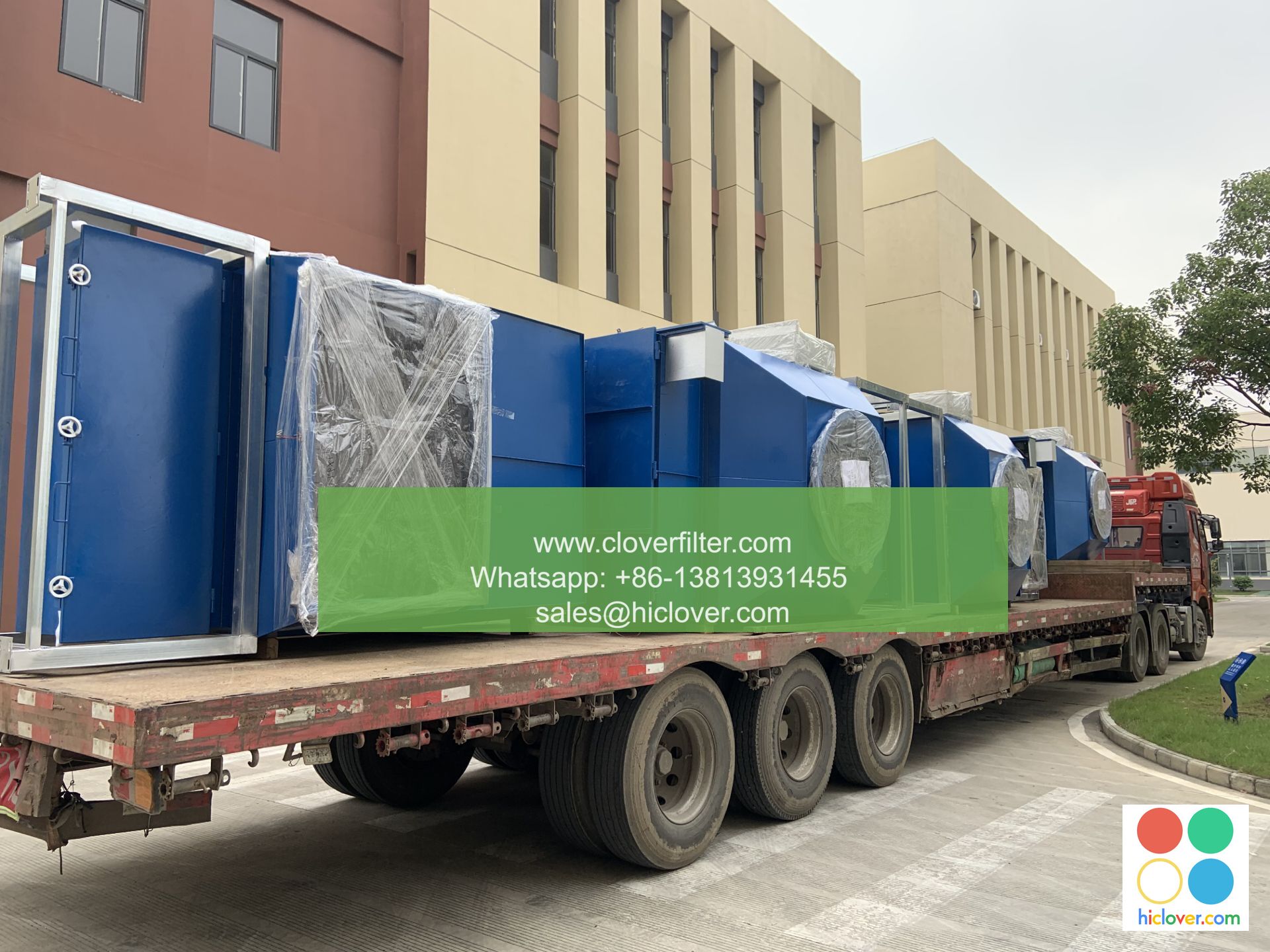
In today’s industrial landscape, maintaining air quality is more crucial than ever. With strict regulations and a growing focus on worker health, air filter groups have emerged as essential components in various industrial settings. This article explores the roles and benefits of these systems across multiple industries, highlighting their significance in ensuring a safe and efficient workplace.
Understanding Air Filter Groups

Air filter groups consist of multiple filtration units designed to work together to purify air by removing contaminants, particulates, and pollutants. They serve as the frontline defense against airborne hazards, protecting not only workers but also sensitive equipment from damage caused by dust, chemicals, and other harmful substances.
Key Applications of Air Filter Groups
Manufacturing Facilities
In manufacturing environments, air quality directly impacts product quality and worker health. Air filter groups help to mitigate the risks associated with dust, fumes, and hazardous emissions. For example, in the automotive, electronics, and pharmaceutical industries, these systems are crucial in maintaining clean air standards.
Food Processing Plants
In food processing, air contaminants can jeopardize hygiene standards and food safety. Air filter systems are essential in ensuring compliance with regulations and preventing spoilage. They extend the shelf life of products and protect employees from potential allergens and pathogens.
HVAC Systems in Commercial Buildings
In commercial buildings, HVAC (heating, ventilation, and air conditioning) systems equipped with air filter groups are vital. They not only improve air quality for occupant comfort but can also lead to energy savings by enhancing the efficiency of heating and cooling systems through better airflow.
Healthcare Facilities
In hospitals and medical facilities, air quality is a matter of life and death. Air filter groups are critical in preventing the spread of infections and maintaining a sterile environment. HEPA (High-Efficiency Particulate Air) filters are particularly important here, capturing airborne pathogens and ensuring patient safety.
Benefits of Using Air Filter Groups
Improved Air Quality
The primary purpose of air filter groups is to improve air quality by removing harmful particulates and pollutants. This leads to healthier environments for workers and can significantly reduce the incidence of respiratory problems and other health issues.
Increased Equipment Longevity
By keeping dust and contaminants out of machinery, air filter groups help prolong the life of industrial equipment. Regular maintenance and filtering can reduce the need for repairs and replacements, thereby saving costs in the long run.
Regulatory Compliance
Many industries are required to adhere to strict air quality standards. Utilizing air filter groups not only helps businesses comply with these regulations but also enhances their reputation by demonstrating a commitment to workplace safety and environmental responsibility.
Conclusion
In an era where industrial processes are under constant scrutiny for their environmental impact and for the safety of workers, air filter groups stand out as vital components. Their applications across manufacturing, food processing, healthcare, and commercial buildings underline their versatility and importance. By investing in effective air filtration solutions, industries can achieve cleaner air, healthier workplaces, and greater operational efficiencies.
Of course! Could you please provide more details about the prompt or topic you’d like to explore?
