The Importance of Air Filter Groups in Schools and Universities

In the modern educational landscape, ensuring a safe and healthy environment for students and staff is more critical than ever. Among the various factors influencing indoor air quality (IAQ), the introduction and maintenance of Air Filter Groups play a pivotal role. This article explores the significance of these systems in schools and universities, highlighting several application areas and their impact on health and learning outcomes.
Understanding Air Filter Groups
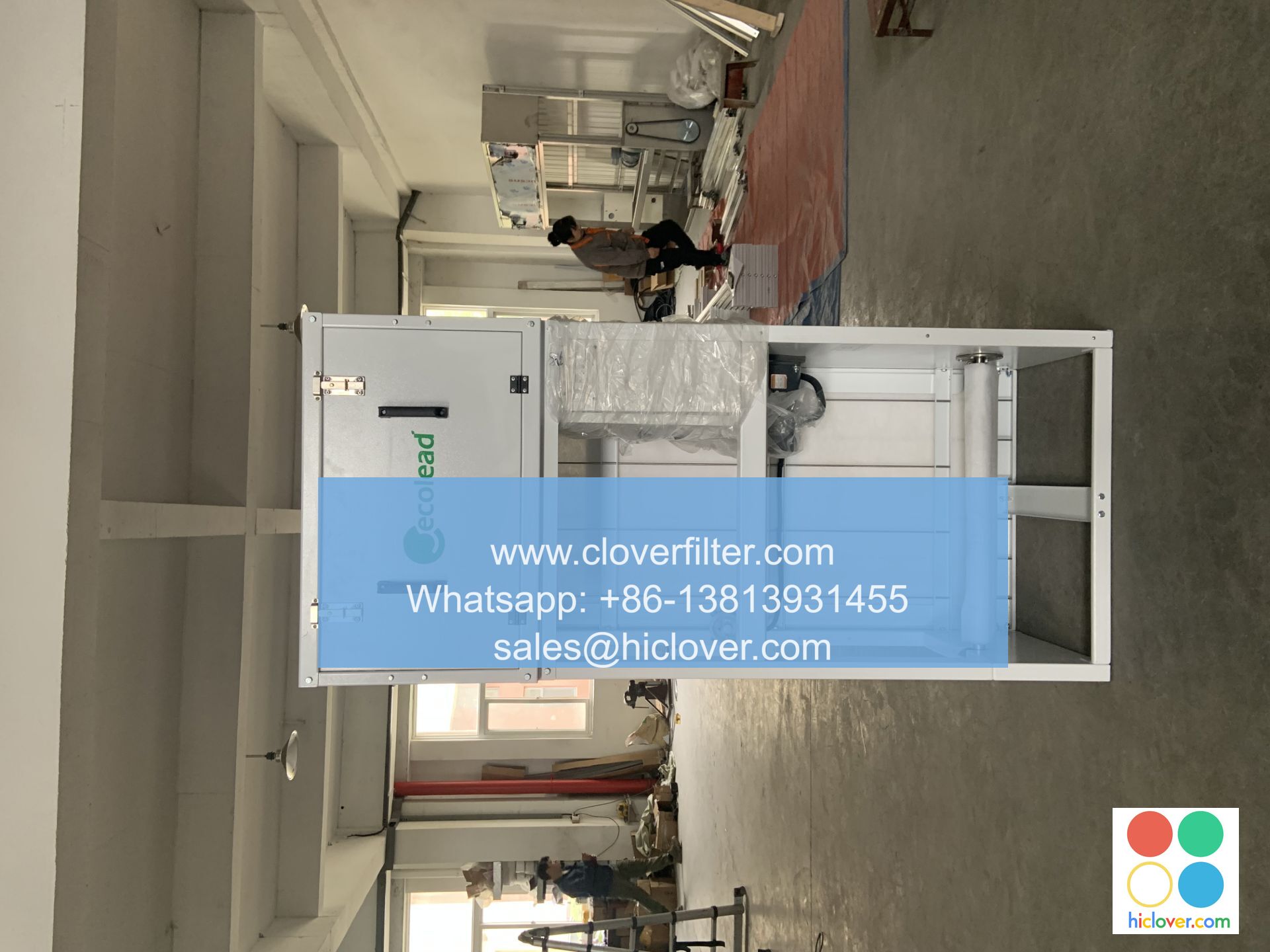
Air Filter Groups consist of various filtration systems designed to remove contaminants from the air. These systems are tailored for specific environments, and in educational institutions, they can address pollutants such as dust, allergens, and pathogens. The effectiveness of air filters is determined by their filter efficiency ratings and the technology used, which may include HEPA filters, activated carbon, and multi-stage filtration systems.
The Health Implications of Poor Air Quality
Research consistently shows that poor indoor air quality can lead to a host of health issues. Students and staff are particularly vulnerable to the effects of airborne pollutants, which can cause or exacerbate conditions like:
- Asthma: A leading chronic illness among children, exacerbated by airborne allergens.
- Allergies: Dust, mold, and pollen can trigger severe allergic reactions.
- respiratory infections: Ineffective filtration can lead to the spread of viruses and bacteria.
- Concentration: Clean air boosts cognitive abilities, enabling better focus in the classroom.
- Memory Retention: Improved IAQ aids in better memory recall and retention of information.
- Overall Mood: A healthy environment contributes to a positive learning experience, reducing anxiety and stress levels.
Enhancing Student Performance and Well-being
Air quality is closely tied to cognitive function and academic performance. Studies indicate that increased exposure to fresh, filtered air can enhance:
Application Areas of Air Filter Groups
Schools and universities can adopt Air Filter Groups across various facilities to significantly improve air quality. Some key application areas include:
Classrooms
Classrooms are where students spend the majority of their time. Implementing robust air filtration systems can create a conducive learning environment, reducing absenteeism due to health-related issues.
Laboratories
In science labs, the risk of exposure to harmful chemicals and biological agents is heightened. Specialized air filters can efficiently remove contaminants, ensuring the safety of students and faculty.
Libraries and Study Areas
Libraries are hubs of learning and must be equipped with air filtration systems to maintain a quiet and clean atmosphere, promoting better study habits among students.
Gymnasiums and Multipurpose Rooms
Physical activities in gyms generate particulate matter and allergens. Installing effective air filters in these spaces can help maintain a safe and healthy environment for physical education classes and sports events.
Regulatory Standards and Implementation
Schools and universities must adhere to various regulatory standards concerning indoor air quality. Compliance with guidelines set forth by bodies like the Environmental Protection Agency (EPA) and the American Society of Heating, Refrigerating and Air-Conditioning Engineers (ASHRAE) ensures that educational institutions prioritize the health and safety of their occupants.
Conclusion
The implementation of Air Filter Groups in schools and universities is not just a matter of regulatory compliance; it is a crucial step toward fostering an environment that supports learning and wellness. By investing in high-quality air filtration systems, educational institutions can significantly reduce health risks and enhance the overall educational experience, ultimately preparing students for a brighter future.
Sure! What would you like a prompt for? It could be for writing, art, a discussion topic, or something else entirely. Let me know how I can assist you!
