The Importance of Air Filter Integrations in Reducing Airborne Particles

Understanding Airborne Particles
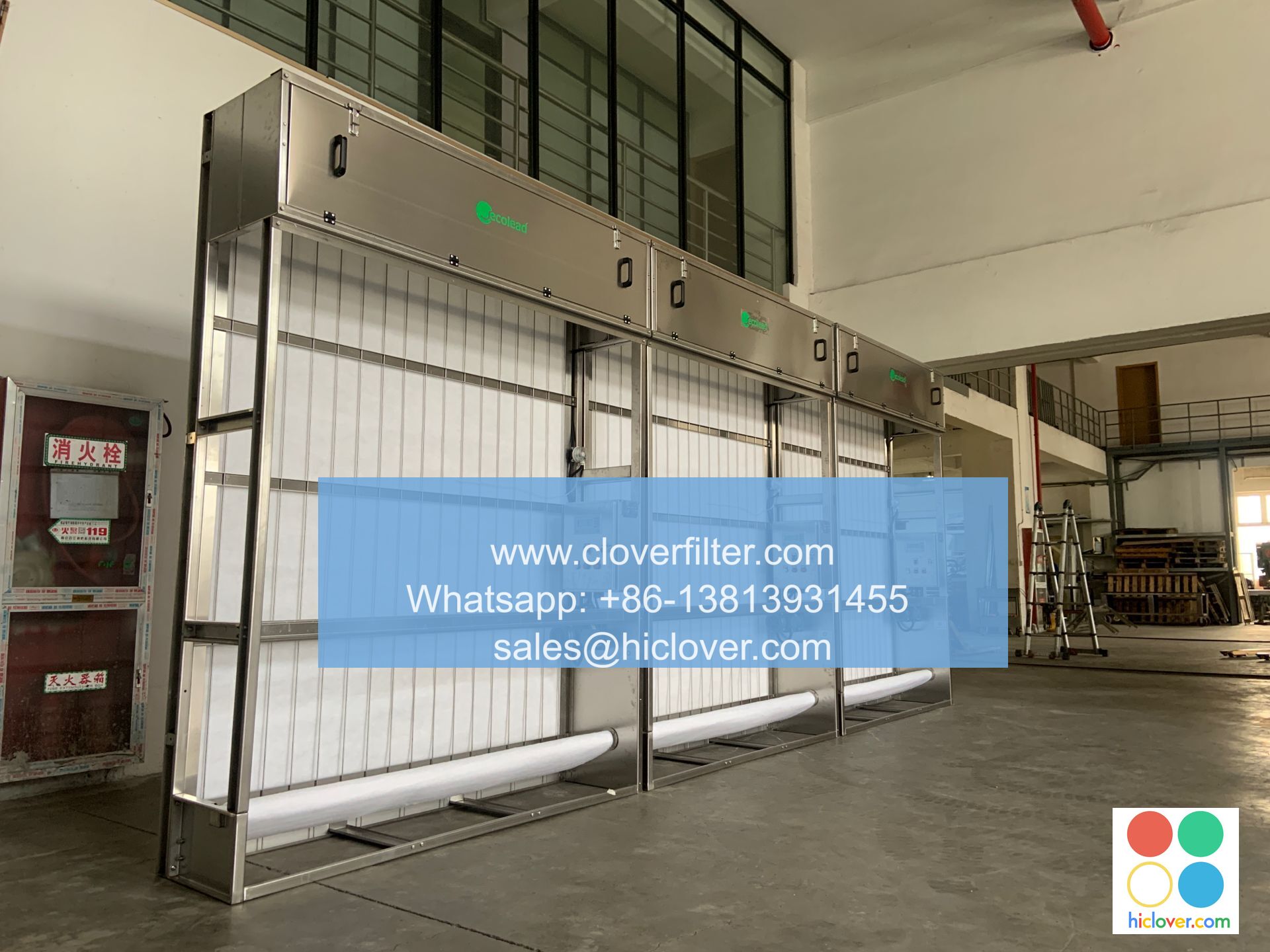
Airborne particles are microscopic contaminants that can harm human health and degrade air quality. These particles include dust, pollen, smoke, and various pollutants that can trigger allergies and respiratory issues. The integration of high-quality air filter technologies in various environments plays a vital role in minimizing these harmful substances.
The Role of Air Filters in Enhancing Indoor Air Quality
Integrating effective air filtration systems is essential in improving indoor air quality (IAQ). These systems work by trapping airborne particles and preventing them from circulating in the air we breathe. Different applications benefit from air filter integrations, including:
- Residential Spaces: Home air purifiers with advanced filters can significantly reduce allergens and irritants, making living spaces healthier.
- Commercial Buildings: Proper air filter systems in offices and public buildings are crucial for protecting employees from airborne diseases and enhancing productivity.
- Healthcare Facilities: In hospitals and clinics, high-efficiency particulate air (HEPA) filters are critical for infection control, protecting patients and staff.
- Industrial Applications: Manufacturing plants utilize specialized air filters to capture dust and chemical particles, ensuring the safety and health of workers.
- HEPA Filters: Known for their efficiency, HEPA filters can capture at least 99.97% of particles 0.3 microns in size, making them an industry standard in healthcare and cleanroom environments.
- Activated Carbon Filters: These filters are effective at removing odors and volatile organic compounds (VOCs), making them ideal for residential and commercial applications.
- UV-C Light Purification: Integrating UV-C light technology can further enhance air filter systems by inactivating bacteria and viruses, contributing to a safer indoor environment.
- Improved respiratory health and quality of life for individuals.
- Decreased healthcare costs associated with air quality-related illnesses.
- Enhanced productivity in work environments due to fewer sick days and increased focus.
- Support for environmentally friendly practices by reducing reliance on chemical air fresheners.
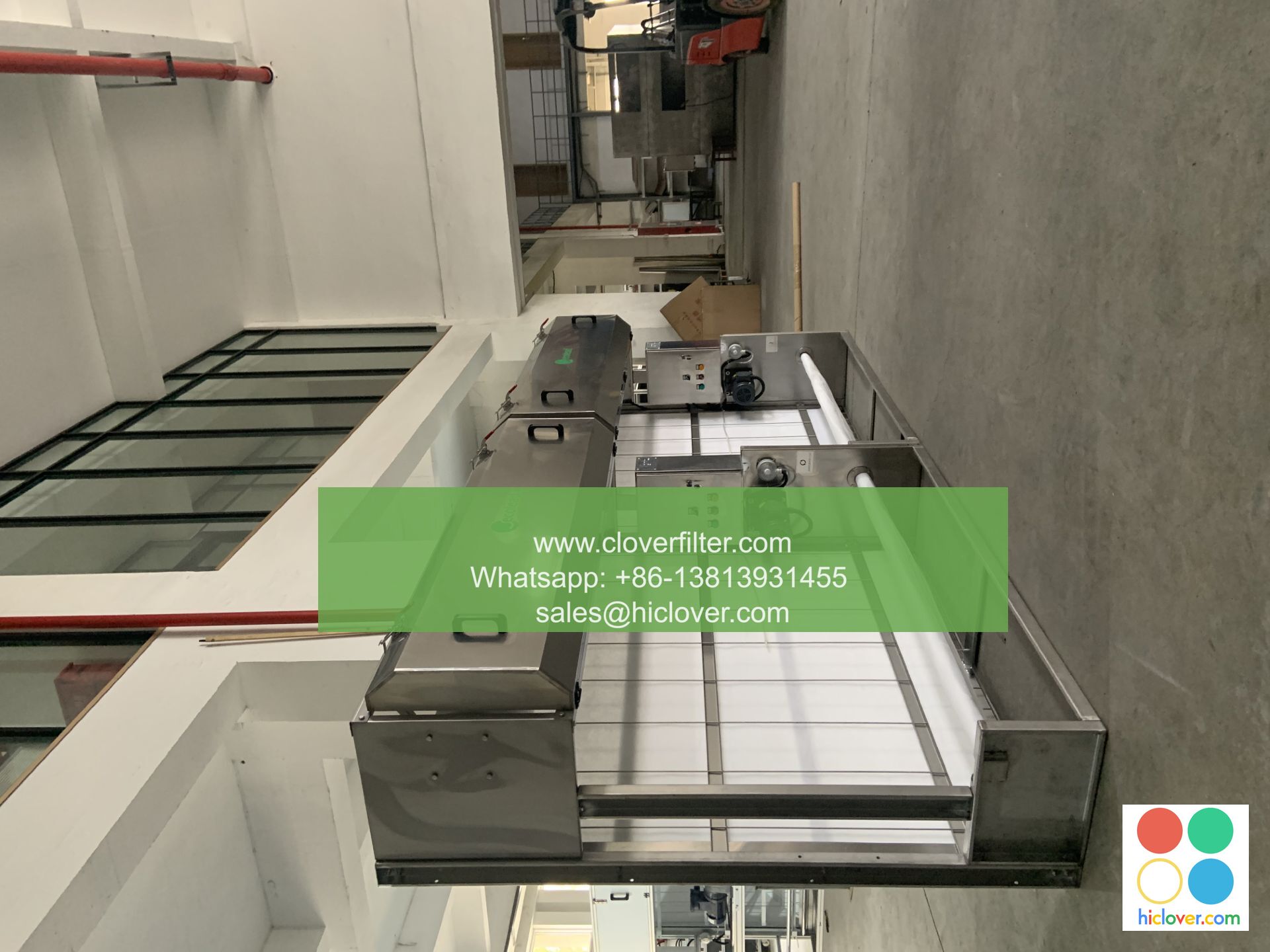
Key Technologies in Air Filter Integrations
The modern air filtration landscape includes various technologies designed to tackle different airborne contaminants effectively. Some key technologies include:
The Environmental and Health Benefits of Air Filter Integrations
The integration of advanced air filtration systems not only benefits human health but also contributes to environmental sustainability. By reducing airborne particles, these systems help mitigate the impact of air pollution, supporting cleaner air initiatives. Key benefits include:
Of course! What kind of prompt are you looking for? It could be a writing prompt, a creative idea, a question to ponder, or something else entirely. Let me know how I can assist you!
