The Importance of Air Filter Maintenance: A Guide to Long-Lasting Performance

The Importance of Air Filter Maintenance: A Guide to Long-Lasting Performance
Air Filter Maintenance: Keeping Your System Running Smoothly

Air filters are a crucial component in maintaining the overall performance and efficiency of various systems, including HVAC systems, industrial equipment, and even personal health. A well-maintained air filter helps to improve indoor air quality, reduces energy consumption, and prevents equipment breakdowns. In this article, we will delve into the importance of air filter maintenance and provide a step-by-step guide on how to ensure optimal performance and longevity.
Why Air Filter Maintenance is Crucial
A dirty or clogged air filter can lead to:
- Increased energy consumption: A clogged filter forces the system to work harder, resulting in increased energy bills and reduced system lifespan.
- Reduced air quality: Dirty filters can allow dust, dirt, and other contaminants to circulate in the air, negatively impacting indoor air quality and potentially exacerbating respiratory issues.
- Equipment damage: Inadequate air flow can cause equipment breakdowns, costly repairs, and even premature replacement.
- HEPA filters: Designed to capture 99.97% of particles as small as 0.3 microns, often used in home air purifiers and medical facilities.
- Activated carbon filters: Effective in removing odors, gases, and chemicals, commonly used in industrial settings and air fresheners.
- Dust filters:Designed to capture larger particles, often used in HVAC systems and water purification equipment.
- Regularly inspect filters: Check filters every 1-3 months, depending on usage and application.
- Replace filters: Regularly replace filters according to manufacturer’s recommendations or as needed.
- Clean filters: Some filters can be cleaned, use a soft-bristled brush or a gentle cleaning solution.
- Monitor air quality: Keep an eye on indoor air quality to detect any potential issues early on.
- Use high-quality filters: Invest in reputable filters designed for specific applications to ensure optimal performance.
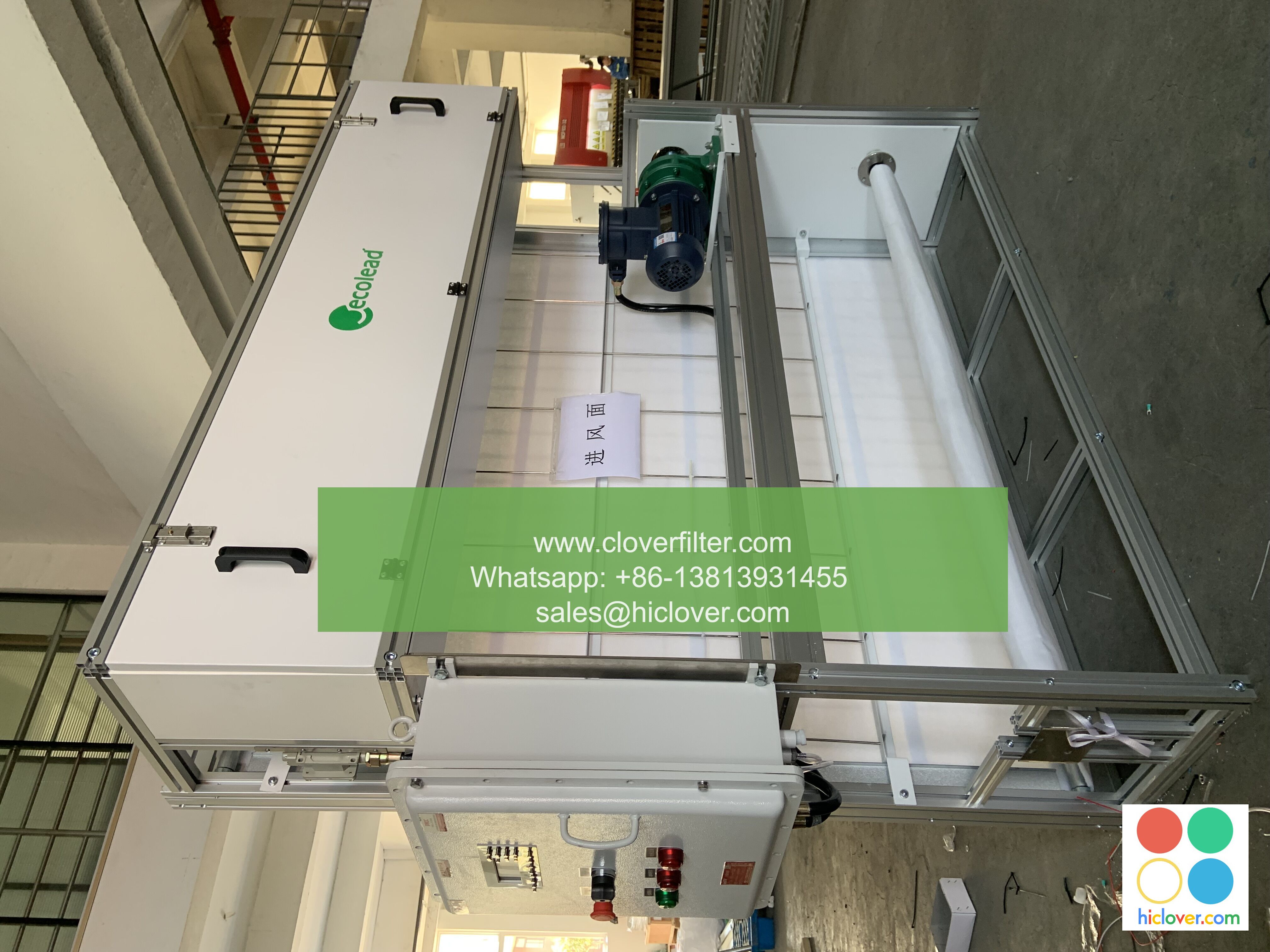
Types of Air Filters and Their Applications
Different air filters serve various purposes and are used in distinct applications:
Tips for Effective Air Filter Maintenance
To ensure optimal performance and longevity, follow these guidelines:
Conclusion
Air filter maintenance is a crucial aspect of maintaining overall performance and ensuring a long-lasting lifespan. By following these simple steps and understanding the types of air filters and their applications, you can enjoy improved indoor air quality, reduced energy consumption, and extended equipment life.
Prompt
