The Importance of Air Filter Maintenance for LEED Certification
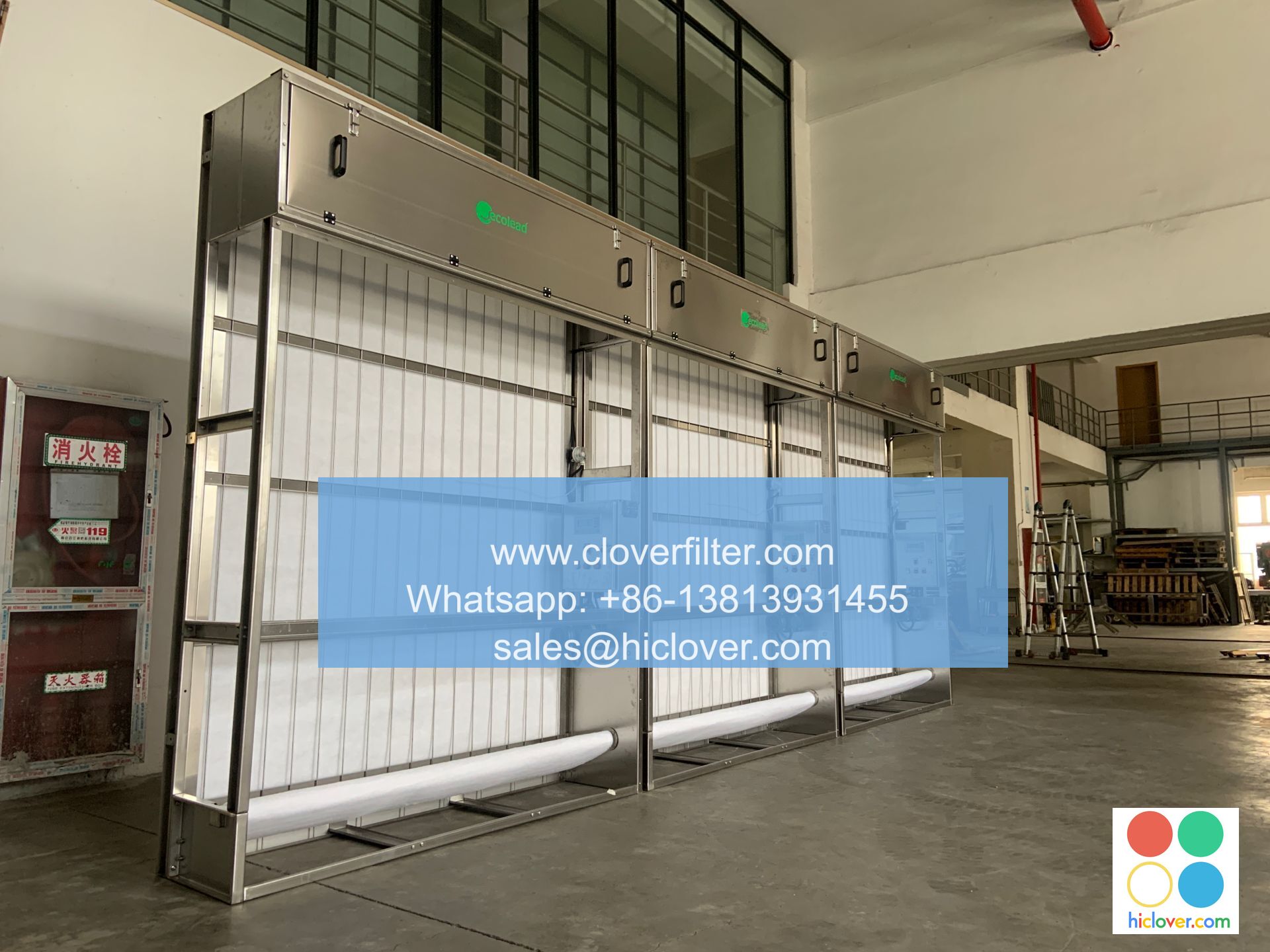
In the quest for sustainable building practices, the focus on air quality has become paramount. One of the key components in achieving and maintaining Leadership in Energy and Environmental Design (LEED) certification is the effective management of indoor air quality, which directly ties to air filter maintenance. Clean air filters contribute not only to the health of building occupants but also to the overall sustainability of a facility.
What is LEED Certification?

LEED is a globally recognized green building certification system developed by the U.S. Green Building Council (USGBC) that provides a framework for healthy, efficient, and cost-saving green buildings. The certification assesses various aspects of building performance, including energy efficiency, water efficiency, and materials used, and one crucial area of focus is indoor environmental quality (IEQ).
Why Air Quality Matters
Maintaining high indoor air quality is vital for:
- Occupant Health: Poor air quality can lead to respiratory issues, allergies, and decreased productivity. Clean, filtered air helps create a healthier living and working environment.
- Energy Efficiency: Dirty air filters can restrict airflow, causing HVAC systems to work harder than necessary, which increases energy consumption and costs.
- Sustainability Goals: Proper air filter maintenance supports a building’s sustainability initiatives, ensuring compliance with LEED standards.

Key Areas of Air Filter Maintenance
1. Commercial Buildings
In commercial buildings, air filters should be part of a regular maintenance schedule. Routine checks and replacements can drastically improve air quality, enhance energy efficiency, and ensure the building meets LEED credits related to indoor air quality.
2. Healthcare Facilities
In healthcare settings, maintaining clean air filters is critical. Hospitals and clinics need to uphold stringent air quality standards to protect vulnerable patients. LEED-certified healthcare environments can significantly benefit from effective air filter maintenance, which helps prevent the spread of infections.
3. Educational Institutions
Schools and universities must prioritize air quality to provide a conducive learning environment. Regular air filter maintenance not only keeps students and staff healthier but also aligns with LEED Certification goals related to indoor environmental quality.
4. Residential Properties
For residential properties aspiring for LEED certification, maintaining air filters in HVAC systems is crucial. Regular replacement of filters can lead to improved air quality, promoting better health outcomes for residents and enhancing the building’s sustainability profile.
Best Practices for Air Filter Maintenance
1. Regular Inspections
Conduct regular inspections of air filters. This includes checking for dust accumulation and measuring airflow to determine when filters need to be replaced.
2. Use High-Efficiency Filters
Opt for high-efficiency filters such as HEPA filters, which trap finer particles and improve indoor air quality while supporting LEED requirements.
3. Schedule Routine Replacements
Set up a schedule for replacing air filters depending on the type of filter used, the building’s occupancy level, and the surrounding environment. Regular maintenance will ensure consistent air quality.
4. Educate Occupants
Raise awareness among building occupants about the importance of air quality and how it impacts their health and comfort. This can lead to greater collective effort in promoting indoor air quality standards.
Conclusion
Air filter maintenance is essential not just for comfort but for achieving and sustaining LEED certification. As organizations increasingly prioritize sustainable practices, committing to regular air filter maintenance can play a vital role in promoting better air quality, conserving energy, and supporting overall environmental goals.
By incorporating stringent air filter maintenance schedules across various application areas—from commercial buildings to healthcare facilities—organizations can ensure compliance with LEED standards, foster healthier environments, and contribute to global sustainability efforts.
Keywords: Air Filter Maintenance, LEED Certification, Indoor Air Quality, Sustainability, Healthcare, Commercial Buildings, Educational Institutions, Residential Properties.
By highlighting the importance of air filter maintenance within the context of LEED certification, we can drive broader awareness and action toward improving indoor air quality, ultimately benefitting both occupants and our planet.
It seems like your message might be incomplete. Could you please provide more details or specify what you would like assistance with? Whether it’s a writing prompt, a question, or specific information, I’m here to help!
