The Importance of Air Filter Maintenance in Preventing System Failures
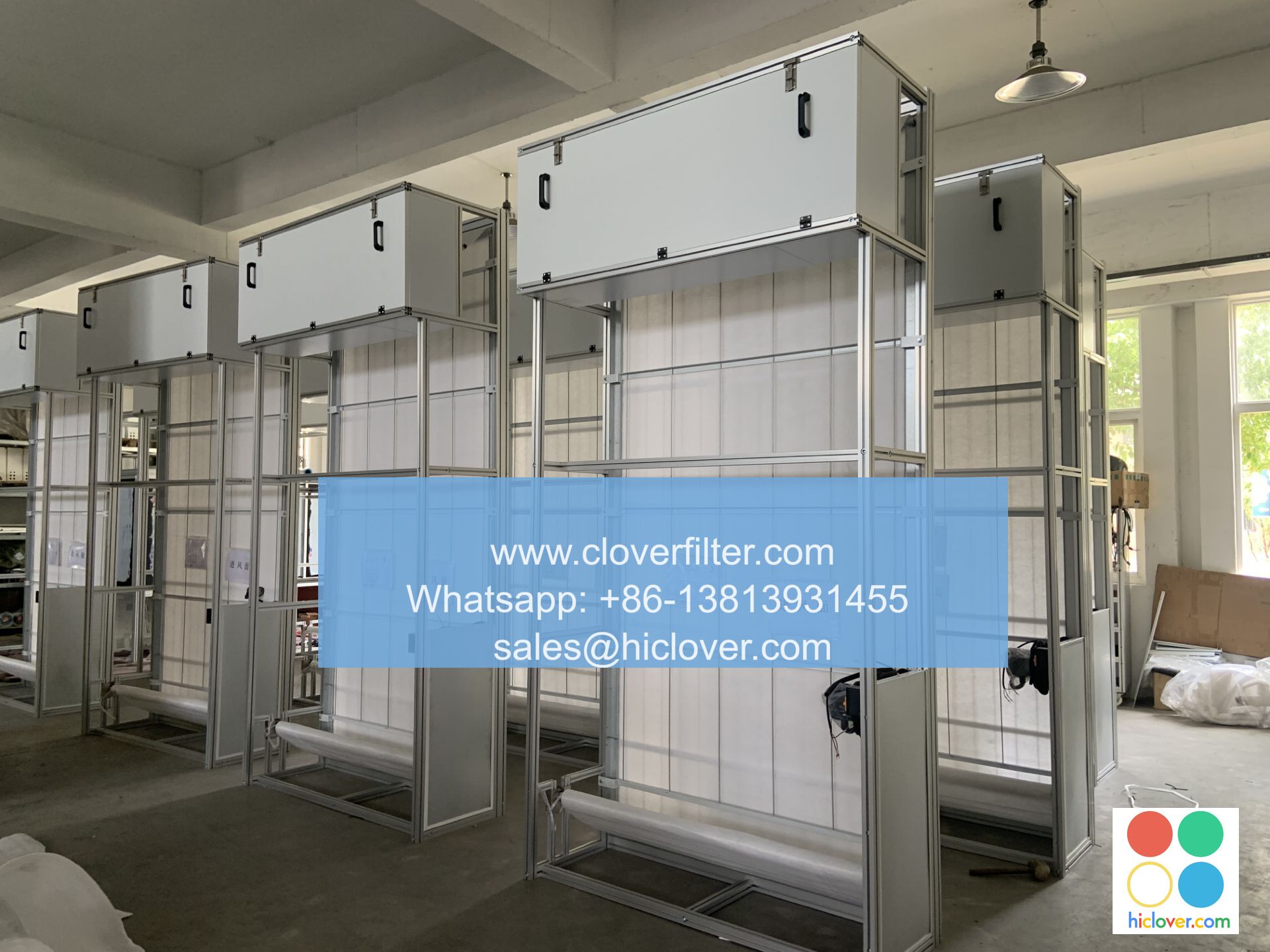
Regular air filter maintenance is crucial in preventing system failures and ensuring the optimal performance of various applications, including heating, ventilation, and air conditioning (HVAC) systems, industrial processes, and cleanroom environments. In this article, we will discuss the importance of air filter maintenance and its impact on system reliability, energy efficiency, and indoor air quality.
Consequences of Poor Air Filter Maintenance
Poor air filter maintenance can lead to a range of problems, including reduced airflow, increased energy consumption, and premature system failure. When air filters become clogged with particulate matter, dust, and other contaminants, they can no longer perform their intended function, leading to a decrease in system performance and an increase in operating costs. In addition, poor air filter maintenance can also lead to indoor air pollution, which can have serious health implications for building occupants.
Benefits of Regular Air Filter Maintenance
Regular air filter maintenance can have numerous benefits, including:
* Improved system performance: Clean air filters ensure that systems operate at peak efficiency, reducing the risk of system failures and downtime.
* Energy savings: Clean air filters can help reduce energy consumption by up to 20%, resulting in significant cost savings for building owners and operators.
* Extended equipment life: Regular air filter maintenance can help extend the life of HVAC equipment and other system components, reducing the need for premature replacements.
* Improved indoor air quality: Clean air filters can help remove particulate matter, pollutants, and other contaminants from the air, improving indoor air quality and promoting a healthier environment for building occupants.
Application Areas for Air Filter Maintenance
Air filter maintenance is crucial in a variety of application areas, including:
* Commercial buildings: Office buildings, shopping centers, and hotels all require regular air filter maintenance to ensure optimal system performance and indoor air quality.
* Industrial processes: Manufacturing facilities, chemical plants, and pharmaceutical facilities all rely on clean air filters to maintain process integrity and product quality.
* Cleanroom environments: Cleanrooms and laboratories require ultra-clean air filters to maintain strict contamination control and product purity.
* Healthcare facilities: Hospitals, clinics, and nursing homes all require regular air filter maintenance to ensure optimal indoor air quality and patient health.

Best Practices for Air Filter Maintenance
To ensure optimal system performance and indoor air quality, it is essential to follow best practices for air filter maintenance, including:
* Regular filter inspections: Regularly inspect air filters to ensure they are clean and functioning properly.
* Filter replacements: Replace air filters at recommended intervals or when they become dirty or damaged.
* Filter cleaning: Clean air filters regularly to remove particulate matter and other contaminants.
* System monitoring: Monitor system performance and energy consumption to identify potential issues with air filters.
In conclusion, regular air filter maintenance is crucial in preventing system failures and ensuring optimal performance in various application areas, including heating, ventilation, and air conditioning (HVAC) systems, industrial processes, and cleanroom environments. By following best practices for air filter maintenance, building owners and operators can ensure energy efficiency, indoor air quality, and system reliability, while also reducing operating costs and minimizing downtime. It seems like you forgot to include the prompt. Could you please provide more details or clarify what you would like to talk about? I’m here to help with any questions or topics you have in mind!
