The Importance of Air Filter Movements in Data Centers and Server Rooms: A Case Study
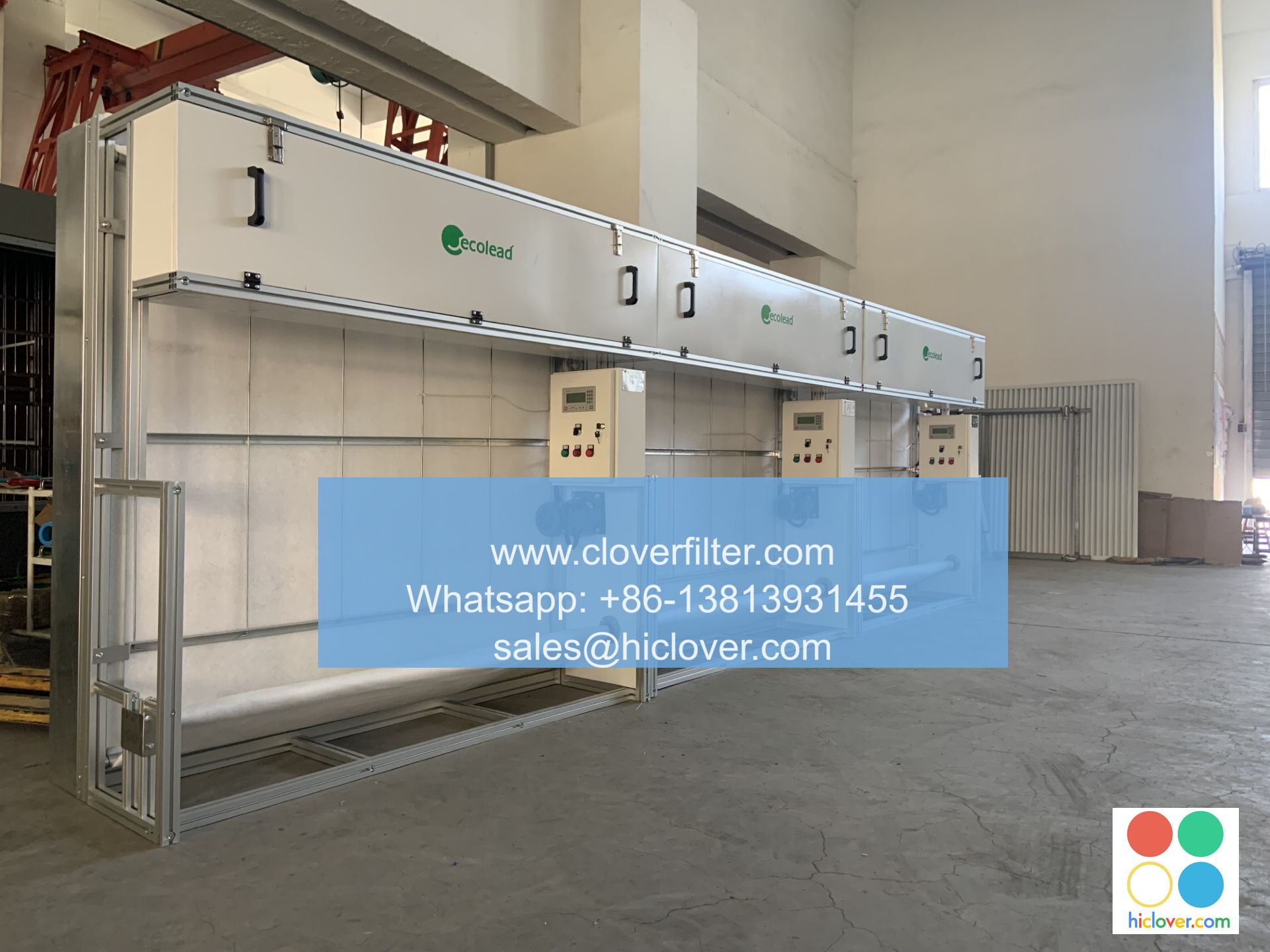
In the rapidly evolving landscape of information technology, data centers and server rooms serve as the backbone for countless enterprises, supporting everything from cloud computing to big data analytics. However, the physical environments that house these critical systems can become detrimental to their performance if not managed appropriately. One often overlooked yet essential aspect of maintaining optimal conditions within these spaces is the movement of air filters. This article delves into the significance of air filter movements in data centers and server rooms, highlighting various application areas through a case study.
Understanding the Role of Air Filters

Air filters serve a crucial function in maintaining the air quality within data centers and server rooms. They help to remove particulate matter, dust, and other contaminants that can cause overheating, hinder airflow, and ultimately lead to equipment failure. The effectiveness of these filters is predominantly determined by how well and how often they are replaced or maintained. Regular air filter movements promote efficient airflow and enhance the cooling systems that protect sensitive electronic equipment.
Key Functions of Air Filters in Data Centers
- Contaminant Removal: Filters prevent dust and other particles from accumulating on equipment, ensuring that systems operate efficiently.
- Temperature Control: Clean air filters allow for optimized cooling, which is essential for sustaining equipment performance and extending the lifespan of hardware.
- Humidity Regulation: Air filters contribute to maintaining adequate humidity levels, which is vital for preventing static electricity buildup that can damage electronic components.
Case Study: XYZ Data Center
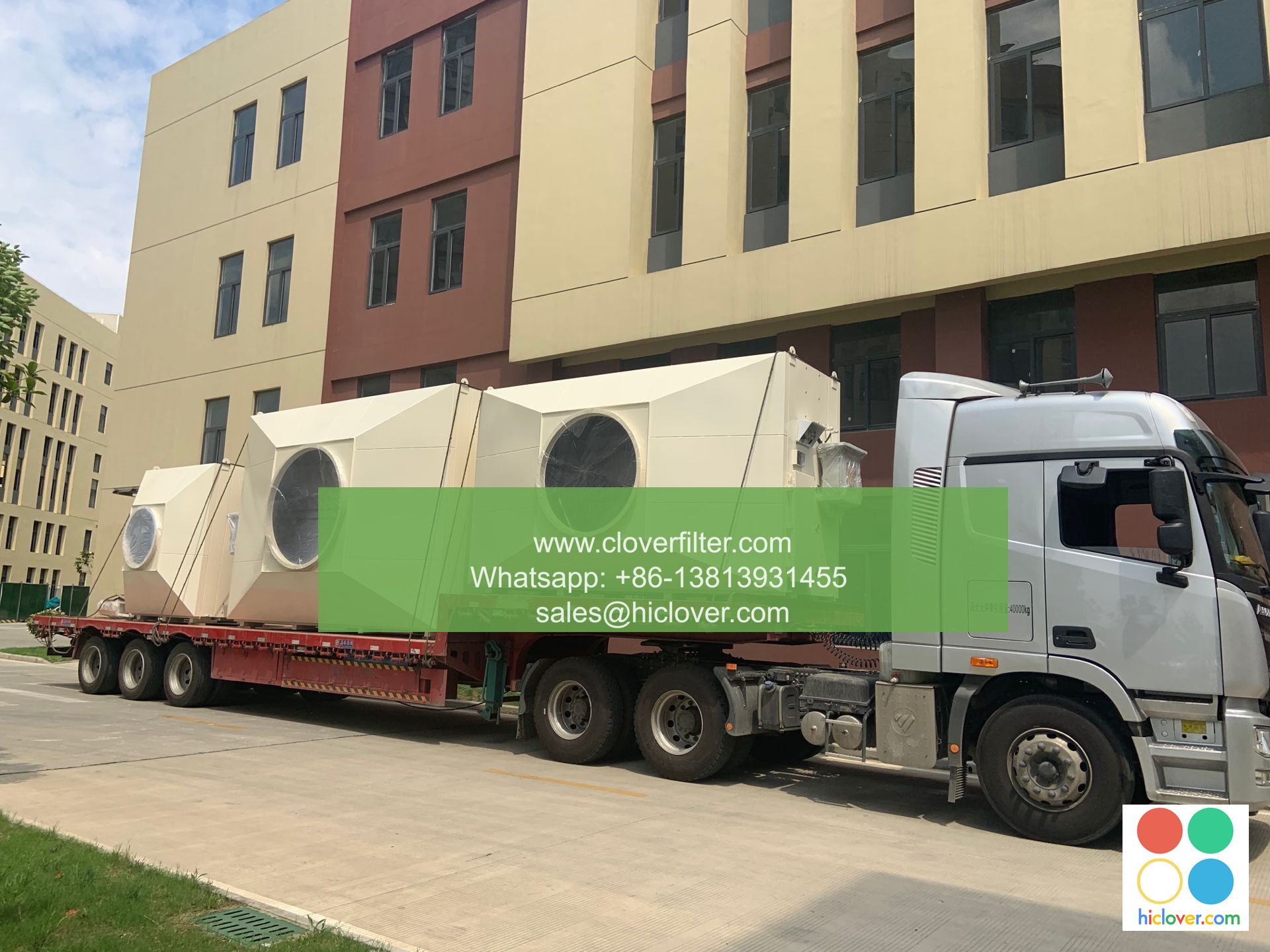
Background
XYZ Data Center, located in a high-traffic urban area, hosts a diverse range of clients, including e-commerce platforms, financial institutions, and tech companies. Upon reviewing the operational efficiency of the center, it became evident that the performance of the cooling systems was sub-par, resulting in frequent overheating and subsequent equipment failures.
Problem Identification
An investigation revealed that the data center’s air filters were not being changed regularly. The buildup of dirt and dust led to restricted airflow, significantly reducing the effectiveness of the cooling systems. This oversight contributed to an increase in average server temperature and represented a potential risk to the hardware.
Applying Air Filter Movements
The operations team at XYZ Data Center decided to implement a more structured air filter replacement regimen. The key actions taken included:
- Scheduled Maintenance: Establishing a regular schedule for checking, cleaning, and replacing air filters.
- Real-Time Monitoring: Implementing IoT-based sensors to monitor the airflow and temperature in real-time provided data to trigger timely filter changes.
- Staff Training: Educating the staff on the importance of air filters and their direct correlation to operational efficiency.
Results Achieved
Following the application of these measures, XYZ Data Center noticed significant improvements, including:
- Reduction in Overheating Events: Incidents of overheating dropped by 40% within the first three months of implementing the new air filter movement strategy.
- Improved Performance Metrics: The average server temperature decreased by 5 degrees Celsius, resulting in enhanced performance across various applications hosted in the facility.
- Extended Equipment Lifespan: With the cleanliness of the air maintained, the life expectancy of hardware increased by an average of 15%, yielding cost savings on maintenance and replacement.
Broader Application Areas
The case of XYZ Data Center underscores the critical importance of air filter movements, which can be extrapolated to various application areas:
- Healthcare Facilities: In hospitals, keeping air clean and pathogen-free is essential. Regularly maintained air filters help ensure a safe environment.
- Manufacturing Plants: In environments where precision is vital, clean air prevents contamination of components and products.
- Smart Buildings: Integrated facilities utilize advanced air filtration technologies to enhance overall energy efficiency and comfort.
Conclusion
The importance of air filter movements in data centers and server rooms cannot be overstated. By prioritizing regular maintenance and monitoring techniques, organizations can dramatically improve the operational efficiency, reliability, and longevity of their systems. As technology continues to advance, ensuring that environmental factors such as air quality are meticulously managed will remain crucial for success in today’s data-driven landscape. The case study of XYZ Data Center serves as a testament to the benefits of implementing proper air filter movement strategies, highlighting the need for proactive actions across various application areas.
It looks like your message got cut off! Could you please provide more details or clarify what you would like help with?
