The Importance of Air Filter Platforms in Schools and Educational Facilities
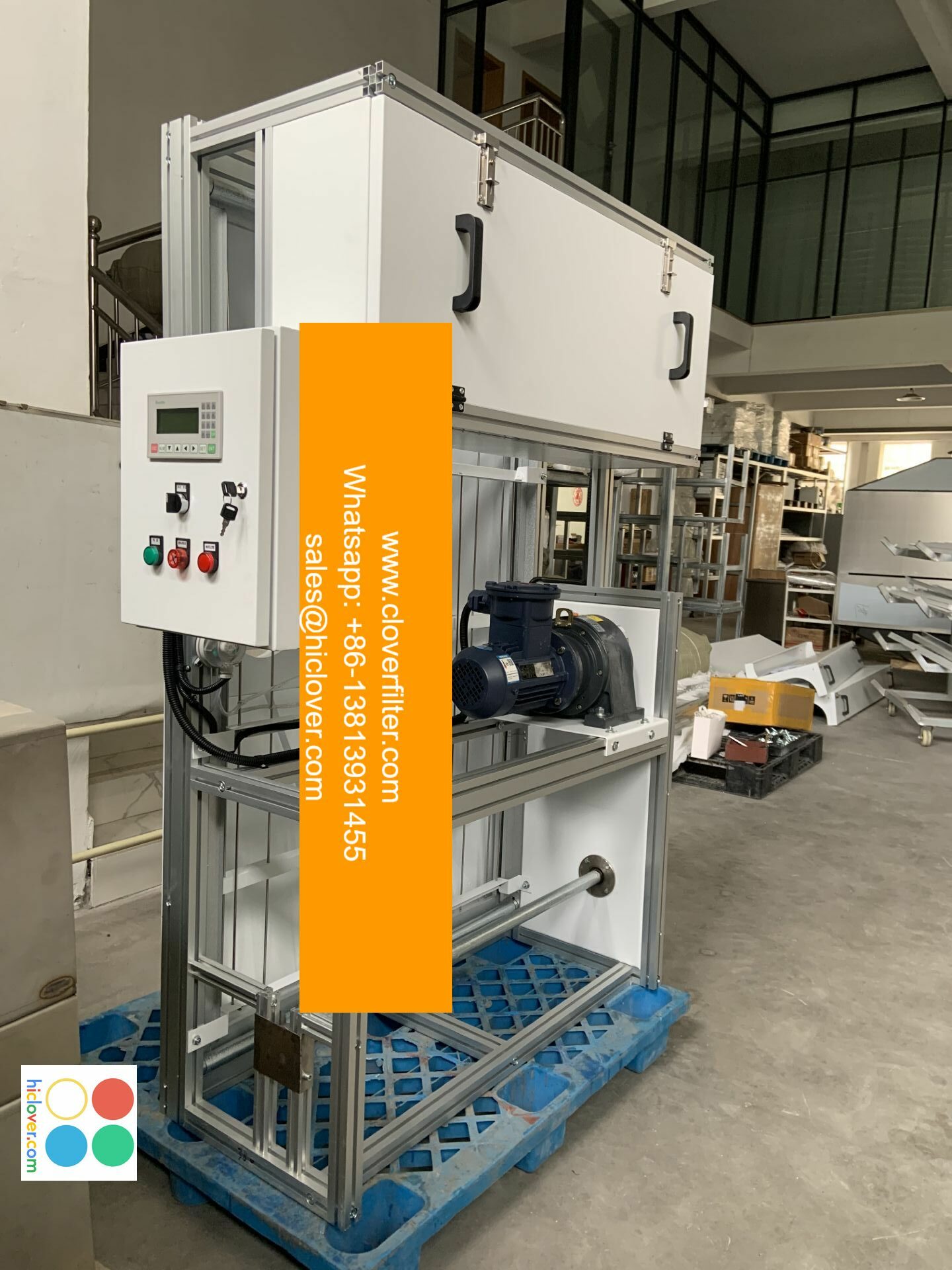
In recent years, the conversation around air quality has become increasingly relevant, particularly in schools and other educational facilities. The implementation of effective air filter platforms is essential for ensuring a healthy learning environment for students and staff alike. This article explores the significance of air filtration systems, their various applications, and the benefits they bring to schools.
Understanding Air Filter Platforms
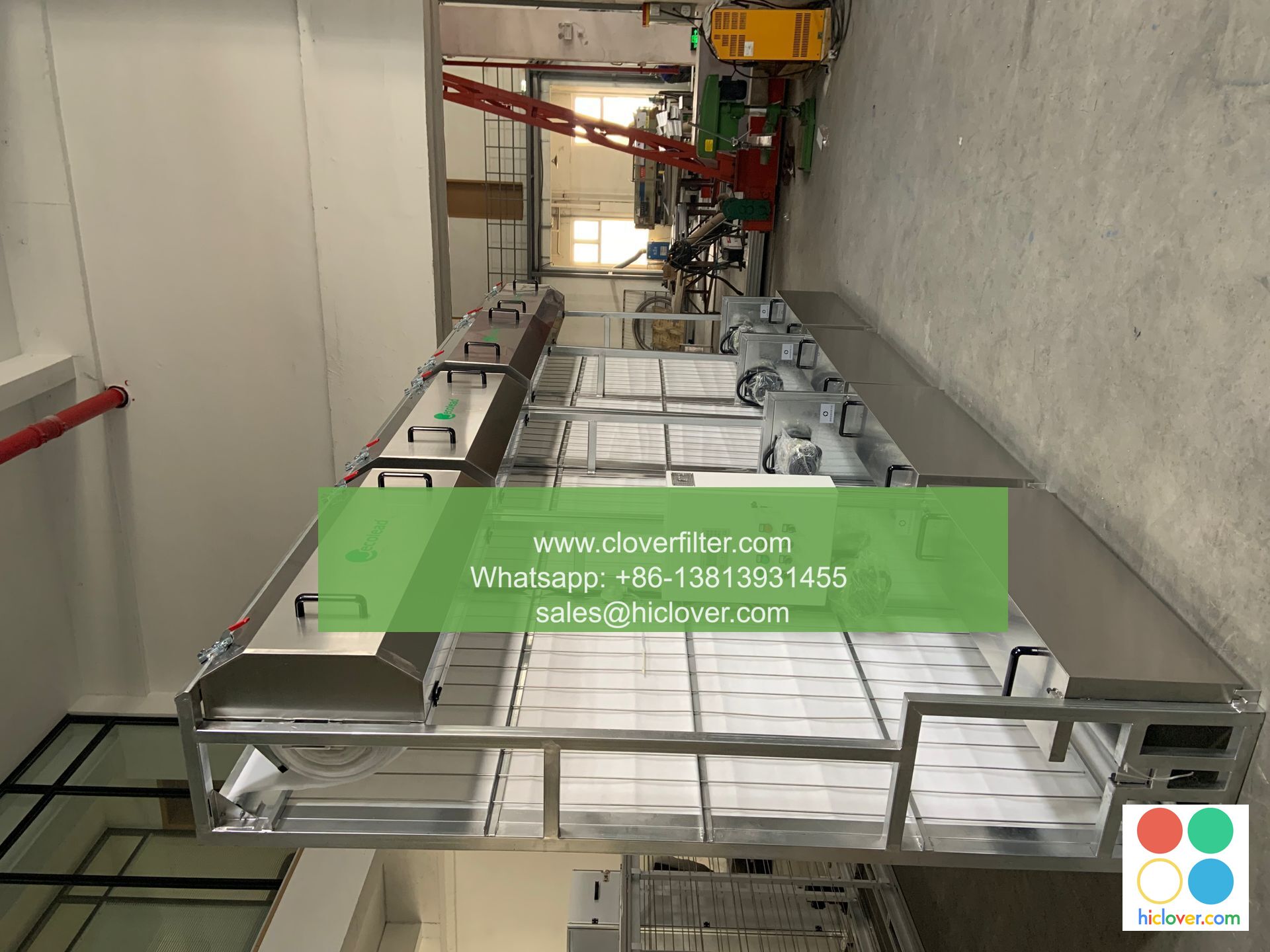
Air filter platforms are systems designed to remove pollutants, allergens, and contaminants from indoor air. They work through various technologies, including HEPA filters, activated carbon filters, and UV-C light systems. These platforms are essential in maintaining clean air, particularly in environments that are often crowded and have limited ventilation, such as classrooms and auditoriums.
Key Importance of Air Filter Platforms
1. Enhancing Indoor Air Quality
One of the primary reasons for implementing air filter platforms in educational settings is to enhance indoor air quality (IAQ). Poor air quality can lead to a range of health issues, including asthma, allergies, and respiratory problems. By filtering out pollutants such as dust, mold, and particulate matter, schools can provide a healthier atmosphere conducive to learning.
2. Reducing Absenteeism
Studies have shown that improving air quality can lead to a decrease in student and staff absenteeism. When air filter platforms are installed, the likelihood of respiratory illnesses decreases, resulting in fewer sick days and promoting a more consistent educational experience for students. This is essential for maintaining academic performance and overall student well-being.
3. Supporting Concentration and Learning Skills
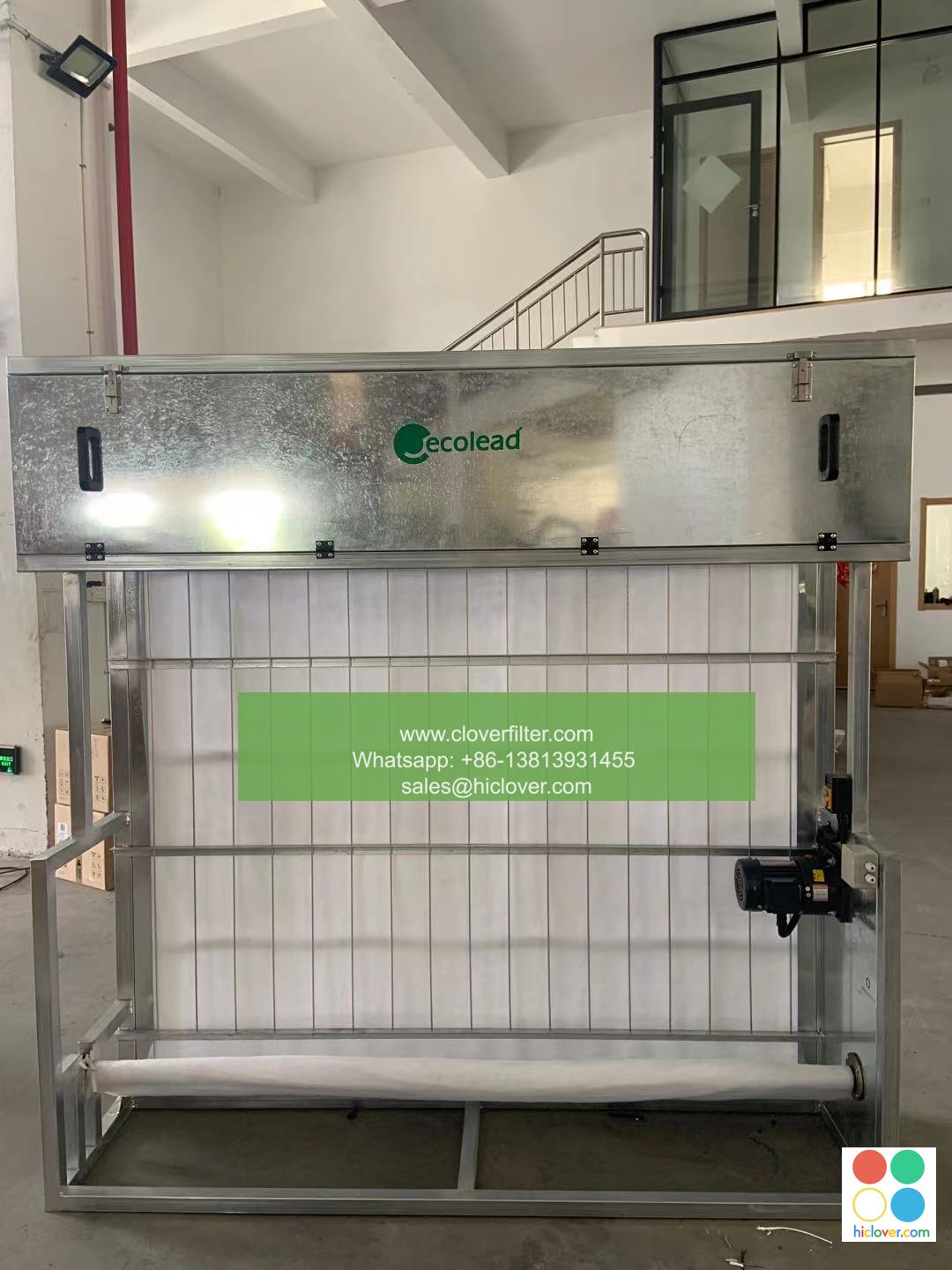
Clean air is linked to better cognitive function, including concentration, memory, and problem-solving skills. By ensuring that schools are equipped with reliable air filter platforms, educators can foster an environment where students are more alert and engaged. This is particularly crucial in settings with high academic demands.
Application Areas for Air Filter Platforms
1. Classrooms and Lecture Halls
Classrooms are where students spend most of their day, making them a priority for air quality management. Air filter platforms can be strategically placed to provide comprehensive coverage, ensuring that all students benefit from cleaner air.
2. Gymnasiums and Cafeterias
Areas like gymnasiums and cafeterias often experience higher concentrations of airborne contaminants due to increased activity and food preparation. Effective air filtration systems in these spaces can help mitigate unhealthy air and create a more pleasant environment for both physical activities and dining.
3. Libraries and Study Rooms
Libraries and study rooms serve as critical learning spaces where students need to focus. Implementing advanced air filter platforms in these quiet environments can enhance concentration, ensuring that students can maximize their study time.
Conclusion
As we continue to prioritize the health and safety of students and staff in educational environments, the importance of air filter platforms cannot be overstated. By investing in these systems, schools can reduce health risks, enhance learning capabilities, and create a more productive atmosphere. The application of effective air filtration is an investment in the future of education—one that emphasizes health, comfort, and academic success.
It looks like you entered “Prompt.” Could you please provide more context or specify what you’d like help with? Whether it’s a writing prompt, a question, or a topic discussion, I’m here to assist!
