The Importance of Air Filter Quality Control in Schools
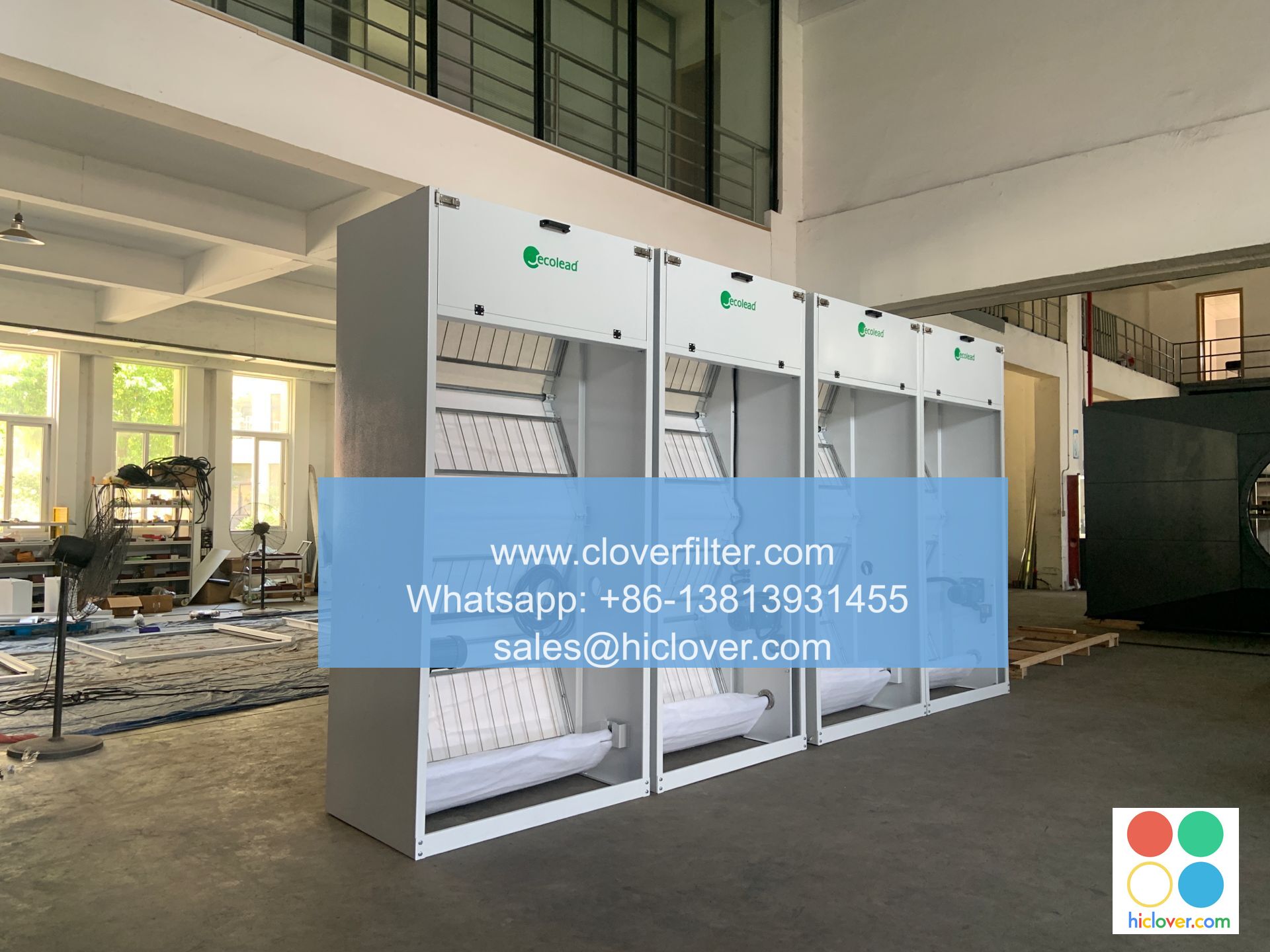
Air filter quality control is a critical aspect of maintaining a healthy and productive learning environment in schools. Indoor Air Quality (IAQ) is essential for the well-being and academic performance of students, and Air Filtration Systems play a vital role in ensuring the air is clean and free from pollutants. In this article, we will discuss the importance of air filter quality control in schools, highlighting various Application Areas, and explore the benefits of implementing effective Air Purification Systems.
Why Air Filter Quality Control Matters
Poor IAQ can have severe consequences on the health and academic performance of students. Airborne Pollutants, such as dust, mold, and volatile organic compounds (VOCs), can trigger Respiratory Problems, like asthma, and exacerbate existing conditions. Furthermore, poor IAQ can lead to Reduced Cognitive Function, decreased focus, and lower academic achievement. Effective Air Filter Quality Control is essential to prevent these issues and ensure a healthy learning environment.
Application Areas for Air Filter Quality Control
Air filter quality control is crucial in various Application Areas, including:
* Classrooms: Where students spend most of their time, and good IAQ is essential for their health and academic performance.
* Libraries and Media Centers: Where students and staff spend extended periods, and Airborne Pollutants can accumulate.
* Gymnasiums and Athletic Facilities: Where Indoor Air Quality can be compromised due to high occupancy and physical activity.
* Cafeterias and Kitchens: Where Food Preparation and Cooking can release VOCs and Particulate Matter.
Benefits of Effective Air Filter Quality Control
Implementing effective Air Filter Quality Control measures can have numerous benefits, including:
* Improved IAQ: Reducing the concentration of Airborne Pollutants and creating a healthier learning environment.
* Reduced Absenteeism: By minimizing the spread of Respiratory Infections and reducing the incidence of Asthma Attacks.
* Increased Academic Performance: By improving Cognitive Function and reducing distractions caused by poor IAQ.
* Extended Filter Life: Regular maintenance and quality control can extend the life of Air Filters, reducing replacement costs and minimizing waste.

Best Practices for Air Filter Quality Control
To ensure effective Air Filter Quality Control, schools should adopt the following Best Practices:
* Regular Filter Maintenance: Schedule regular inspections and replacements of Air Filters to prevent Filter Failure and maintain optimal IAQ.
* Filter Selection: Choose Air Filters with high Minimum Efficiency Reporting Value (MERV) ratings to ensure effective removal of Airborne Pollutants.
* Air Filtration System Upgrades: Consider upgrading Air Filtration Systems to include HEPA Filters or Activated Carbon Filters for improved IAQ.
In conclusion, Air Filter Quality Control is a critical aspect of maintaining a healthy and productive learning environment in schools. By highlighting various Application Areas and exploring the benefits of effective Air Purification Systems, schools can take proactive steps to ensure good IAQ and support the well-being and academic success of their students. It looks like you didn’t include a prompt. Could you please provide more details or clarify what you would like to talk about? I’m here to help with any questions or topics you’d like to discuss.
