The Importance of Air Filter Replacement: A Guide to Long-Lasting Performance
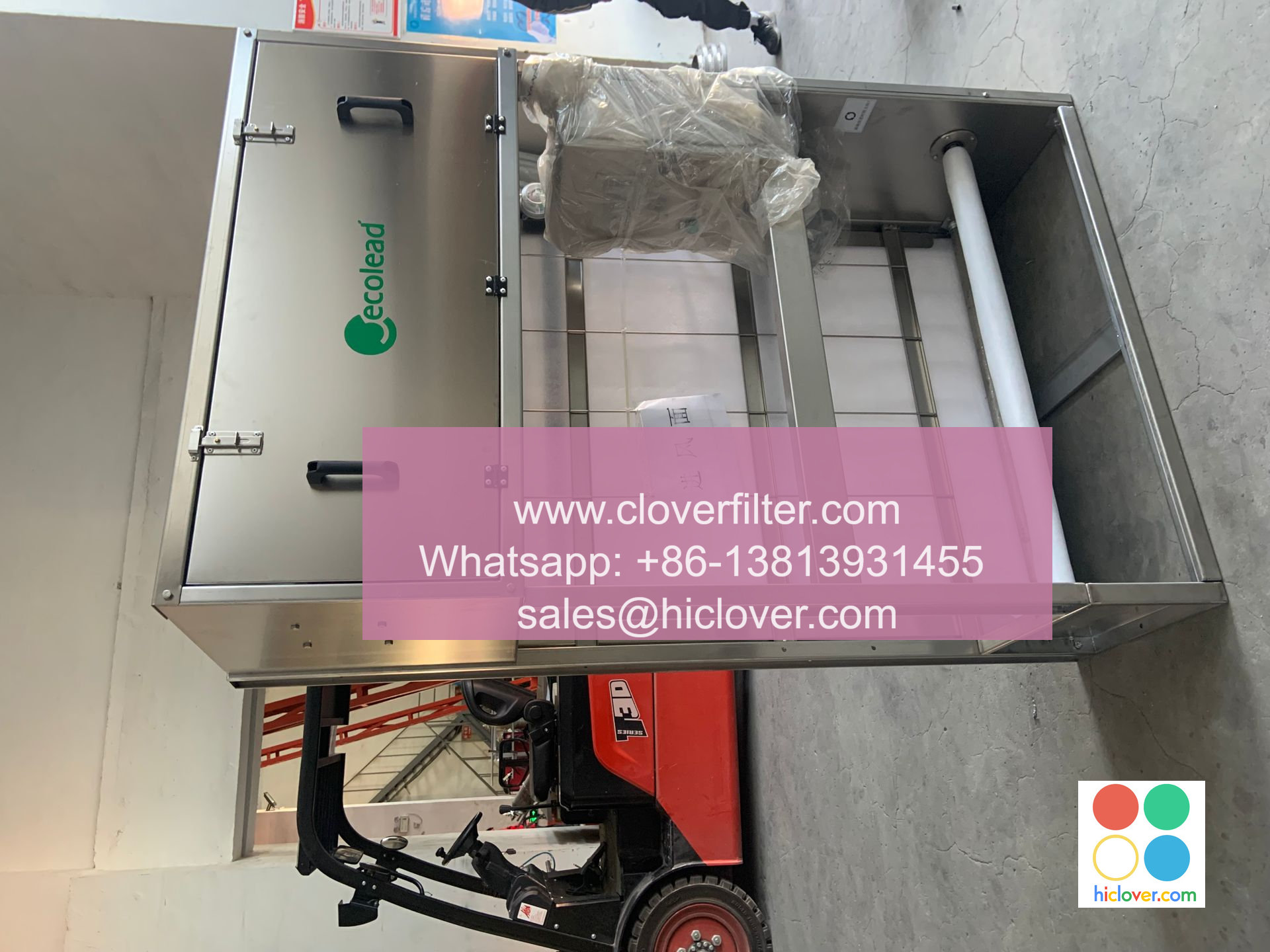
Regular air filter replacement is crucial for maintaining the indoor air quality, heating, ventilation, and air conditioning (HVAC) system efficiency, and overall energy efficiency of a building. In this article, we will discuss the importance of replacing air filters, the benefits of doing so, and provide a guide on how to choose the right air filter for your specific needs.
Why Air Filter Replacement is Important
Air filters play a vital role in removing particulate matter, pollutants, and allergens from the air, improving the overall air quality and human health. Over time, air filters can become clogged with dust, debris, and other contaminants, reducing their effectiveness and increasing the energy consumption of the HVAC system. Regular air filter replacement helps to:
* Improve indoor air quality by removing pollutants and allergens
* Increase energy efficiency by reducing the energy consumption of the HVAC system
* Prevent equipment damage caused by clogged air filters
* Extend the life expectancy of the HVAC system
Benefits of Air Filter Replacement
Replacing air filters regularly can have numerous benefits, including:
* Improved air quality: Clean air filters can remove up to 99.97% of particulate matter as small as 0.3 microns, improving the overall indoor air quality
* Increased energy efficiency: Clean air filters can reduce the energy consumption of the HVAC system by up to 15%, resulting in lower energy bills
* Extended equipment life: Regular air filter replacement can extend the life expectancy of the HVAC system by preventing equipment damage caused by clogged air filters
* Reduced maintenance costs: Regular air filter replacement can reduce the need for expensive repairs and maintenance costs
Application Areas
Air filter replacement is crucial in various application areas, including:
* Residential buildings: Regular air filter replacement can improve the indoor air quality and energy efficiency of homes
* Commercial buildings: Clean air filters can improve the productivity and health of employees, while also reducing energy consumption and maintenance costs
* Industrial settings: Regular air filter replacement can prevent equipment damage and reduce downtime in industrial settings
* Healthcare facilities: Clean air filters can help prevent the spread of infections and improve patient health in healthcare facilities

Choosing the Right Air Filter
Choosing the right air filter can be overwhelming, with numerous options available on the market. When selecting an air filter, consider the following factors:
* Filter type: Choose from fiberglass, pleated, or high-efficiency particulate air (HEPA) filters
* Filter size: Ensure the filter is the correct size for your HVAC system
* Filter rating: Check the minimum efficiency reporting value (MERV) rating to ensure the filter can remove the desired level of particulate matter
* Filter material: Choose from synthetic or
By following this guide and replacing air filters regularly, you can improve the indoor air quality, energy efficiency, and overall performance of your HVAC system, while also reducing maintenance costs and extending the life expectancy of your equipment. Remember to choose the right air filter for your specific needs and application area to ensure optimal performance and benefits. It seems like you’re ready to start a conversation or explore a topic, but you haven’t specified what’s on your mind. I’m here to help with any questions, provide information, or engage in discussions on a wide range of subjects. What are you interested in talking about?
