The Importance of Air Filter Replacement Schedules for Optimal Performance
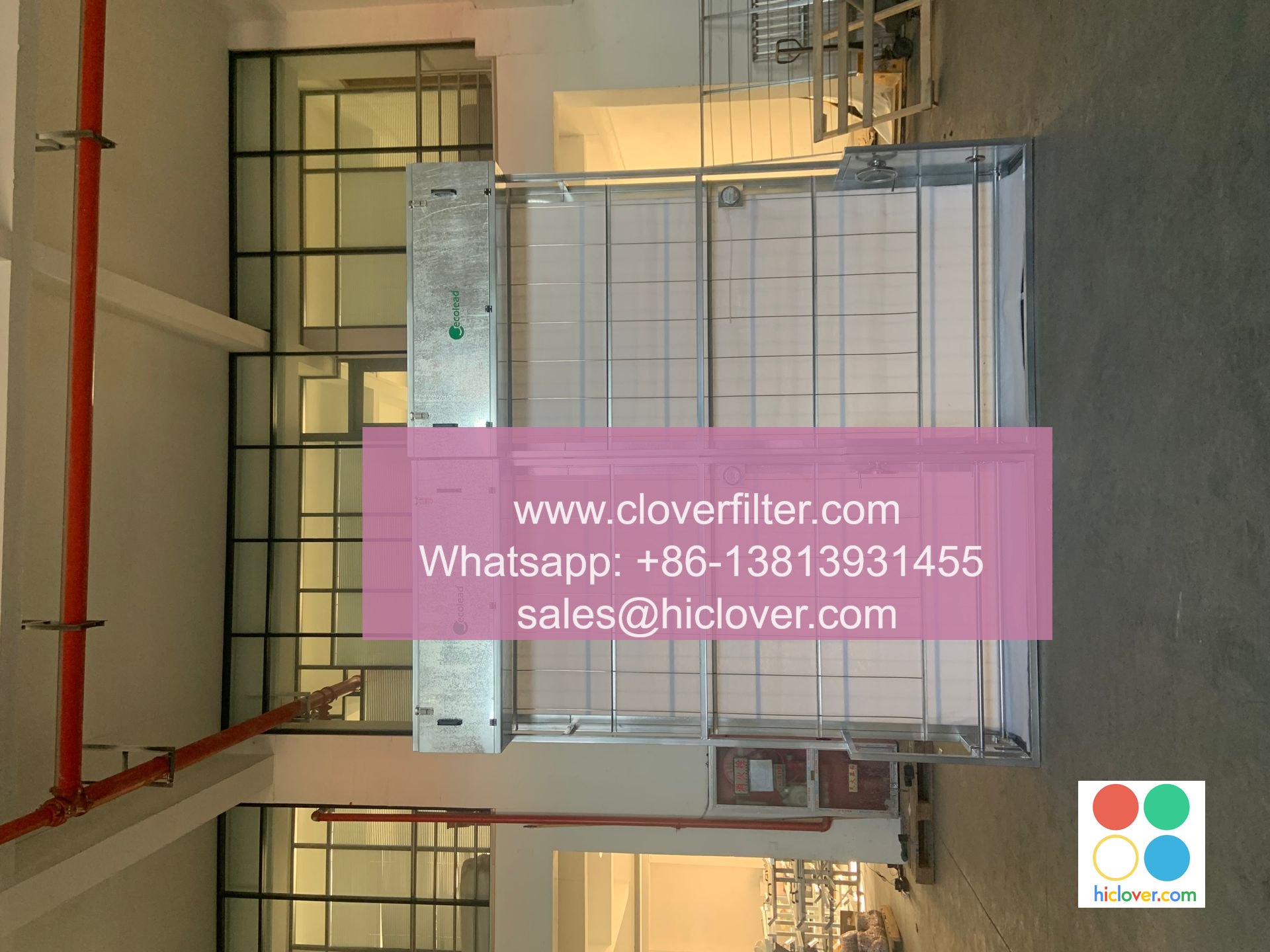
Air filter replacement schedules are crucial for maintaining the optimal performance of heating, ventilation, and air conditioning (HVAC) systems, as well as improving indoor air quality (IAQ) and reducing energy consumption. In this article, we will discuss the importance of regular air filter replacement and highlight various application areas where it is essential.
Benefits of Regular Air Filter Replacement
Regular air filter replacement offers numerous benefits, including:
- Improved Indoor Air Quality (IAQ): Dirty air filters can circulate dust, pollen, and other airborne pollutants, exacerbating respiratory issues like asthma and allergies. Replacing air filters regularly helps remove these pollutants, creating a healthier indoor environment.
- Increased Energy Efficiency: Clogged air filters can increase energy consumption by up to 20%, leading to higher utility bills. By replacing air filters regularly, you can reduce energy waste and lower your energy costs.
- Extended Equipment Life: Dirty air filters can cause HVAC systems to work harder, leading to premature wear and tear. Regular air filter replacement can help extend the life of your equipment, reducing the need for costly repairs and replacements.
- Improved System Performance: Clean air filters ensure that your HVAC system operates at peak performance, providing consistent temperatures and optimal airflow.
Application Areas for Air Filter Replacement Schedules
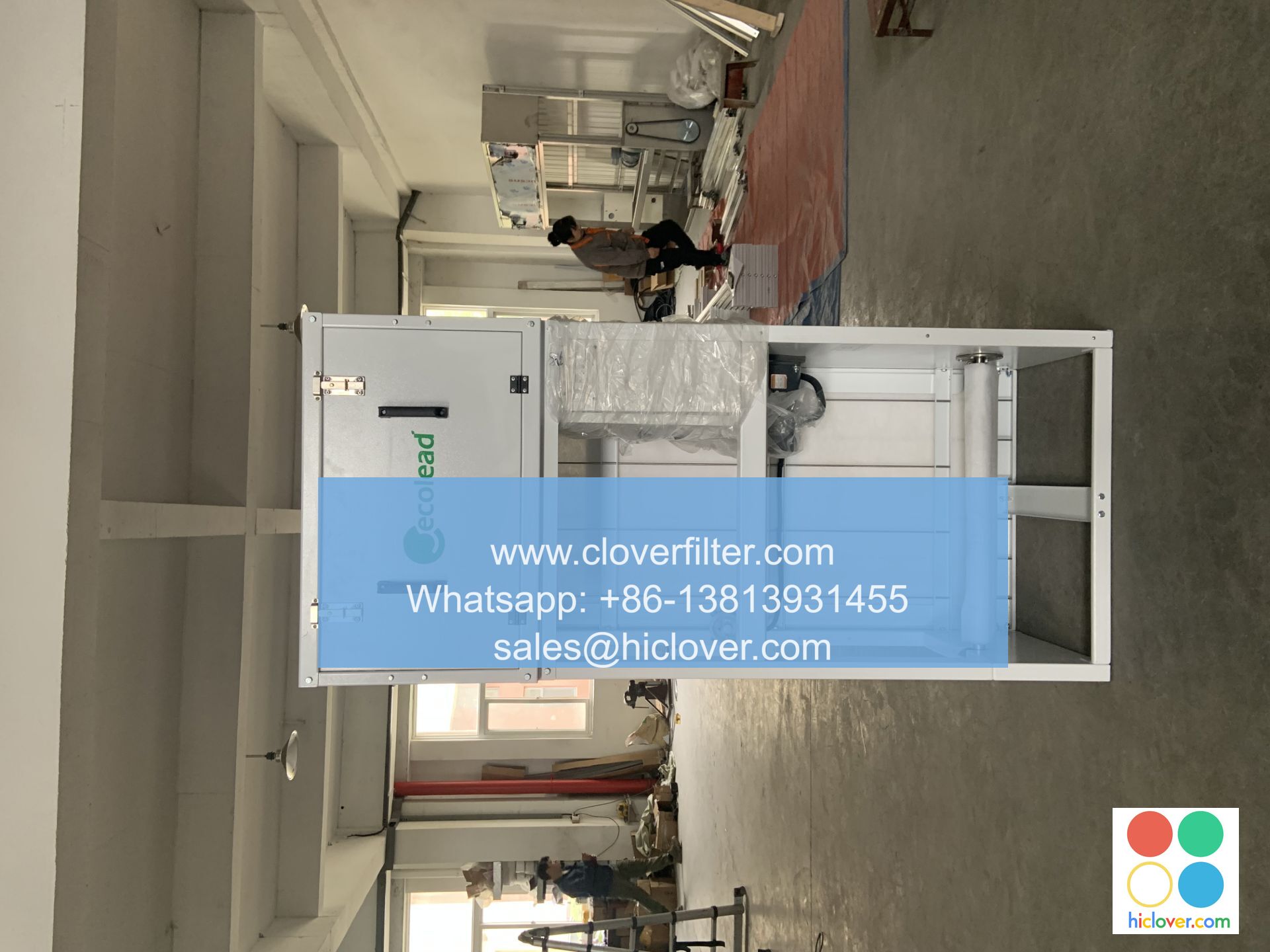
Air filter replacement schedules are essential in various application areas, including:
- Commercial Buildings: Offices, schools, and hospitals require regular air filter replacement to maintain a healthy and productive environment. High-efficiency air filters can help reduce the spread of airborne diseases and improve IAQ.
- Industrial Settings: Manufacturing facilities, warehouses, and other industrial settings require heavy-duty air filters to remove pollutants and contaminants from the air. Regular replacement is crucial to prevent equipment damage and ensure a safe working environment.
- Residential Homes: Homeowners can benefit from regular air filter replacement to improve IAQ, reduce energy consumption, and extend the life of their HVAC systems.
- Healthcare Facilities: Hospitals, clinics, and nursing homes require ultra-clean air filters to prevent the spread of airborne diseases and maintain a sterile environment.
Best Practices for Air Filter Replacement
To ensure optimal performance and benefits, follow these best practices for air filter replacement:
- Check and Replace Air Filters Regularly: Check air filters every 1-3 months, depending on usage and manufacturer recommendations. Replace them as needed to prevent clogging and maintain optimal performance.
- Use High-Quality Air Filters: Choose air filters with high MERV ratings (Minimum Efficiency Reporting Value) to ensure effective pollutant removal and improved IAQ.
- Monitor Air Filter Performance: Regularly monitor air filter performance to identify issues and replace them as needed.
Conclusion
In conclusion, air filter replacement schedules are crucial for maintaining optimal performance, improving IAQ, and reducing energy consumption. By following best practices and replacing air filters regularly, you can extend the life of your HVAC systems, reduce energy waste, and create a healthier indoor environment. Remember to check and replace air filters regularly, use high-quality air filters, and monitor air filter performance to ensure optimal benefits in various application areas, including commercial buildings, industrial settings, residential homes, and healthcare facilities.
It looks like you forgot to include the prompt! Please go ahead and provide the prompt, and I’ll do my best to assist you. I can help with a wide range of topics, from answering questions and providing information to generating text or even just chatting with you. What’s on your mind?
