The Importance of Air Filter Systems in Aircraft Hangars
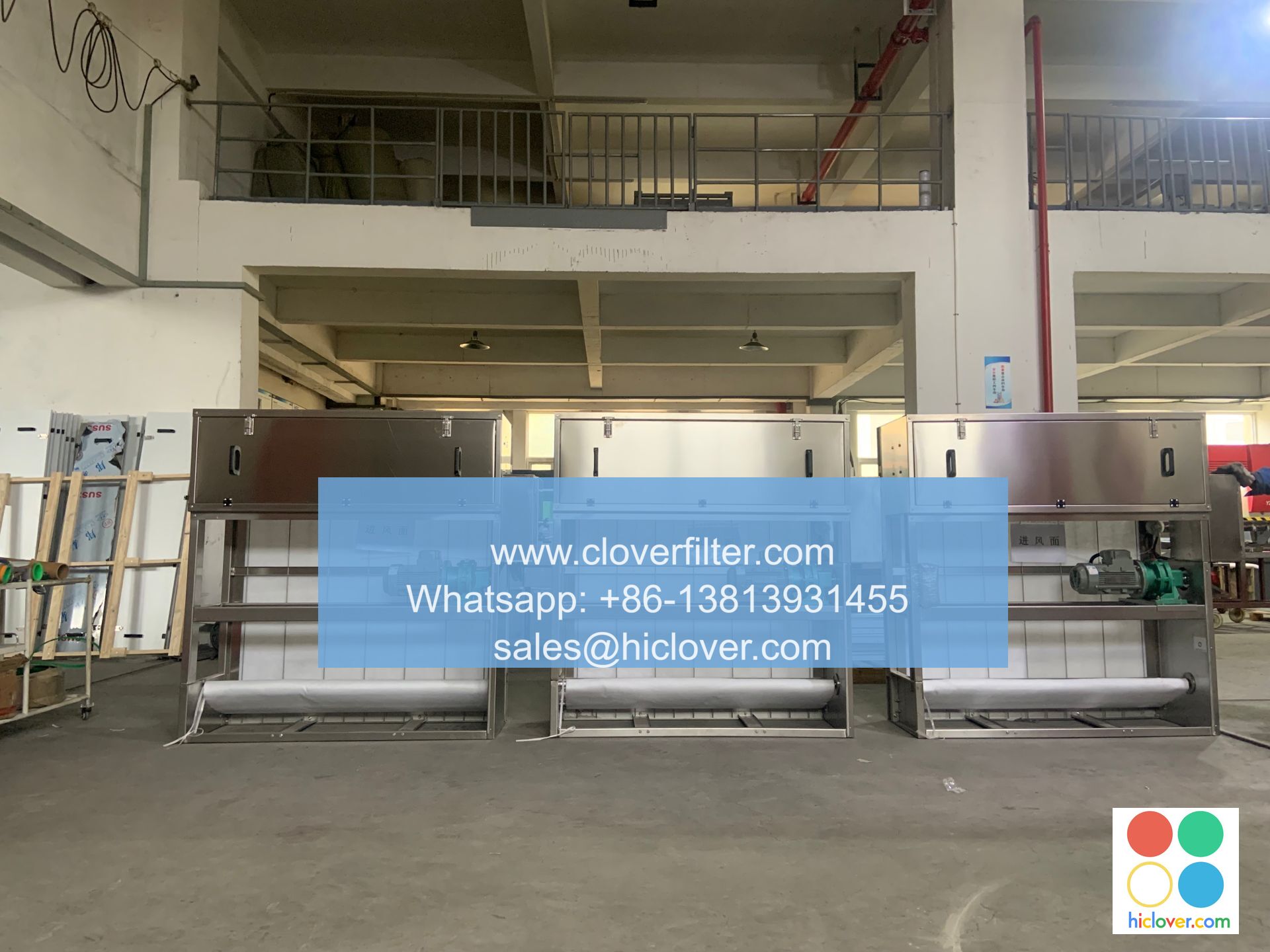
Aircraft hangars are complex facilities that require precise control over environmental conditions to ensure the maintenance, repair, and overhaul (MRO) of aircraft are carried out efficiently and safely. One critical aspect of hangar operations is the air quality, which can be significantly impacted by the presence of airborne contaminants, dust, and other pollutants. This is where air filter systems play a vital role in maintaining a clean and healthy environment for personnel, equipment, and aircraft.
Indoor Air Quality (IAQ) in Aircraft Hangars
The indoor air quality in aircraft hangars can be compromised by various sources, including paint fumes, cleaning chemicals, fuel emissions, and dust generated by maintenance activities. Poor IAQ can lead to a range of issues, including respiratory problems, eye irritation, and decreased productivity among personnel. Moreover, contaminated air can also damage aircraft components and systems, resulting in costly repairs and downtime. Effective air filter systems can help mitigate these risks by removing airborne contaminants and maintaining a clean air environment.
Applications of Air Filter Systems in Aircraft Hangars
Air filter systems have various applications in aircraft hangars, including:
* Paint Booths: Air filter systems are crucial in paint booths to remove paint fumes, Overspray, and other airborne contaminants, ensuring a safe working environment and preventing paint defects.
* Maintenance Areas: Air filter systems can be installed in maintenance areas to remove dust, debris, and other pollutants generated by maintenance activities, reducing the risk of damage to aircraft components and equipment.
* Fueling and Defueling Areas: Air filter systems can help remove fuel emissions and other airborne contaminants in fueling and defueling areas, minimizing the risk of explosions and ensuring a safe working environment.
* Office and Administration Areas: Air filter systems can also be installed in office and administration areas to maintain a healthy and comfortable working environment for personnel.
Benefits of Air Filter Systems in Aircraft Hangars
The benefits of air filter systems in aircraft hangars are numerous, including:
* Improved Indoor Air Quality (IAQ): Air filter systems can remove up to 99.97% of airborne contaminants, including dust, pollen, and other pollutants, maintaining a clean and healthy air environment.
* Reduced Maintenance Costs: By removing airborne contaminants, air filter systems can help reduce maintenance costs associated with damaged aircraft components and equipment.
* Increased Productivity: A clean and healthy air environment can improve personnel productivity, reducing the risk of respiratory problems and other health issues.
* Compliance with Regulations: Air filter systems can help aircraft hangars comply with regulations and standards related to indoor air quality, occupational health and safety, and environmental protection.

Types of Air Filter Systems Used in Aircraft Hangars
Various types of air filter systems are used in aircraft hangars, including:
* HEPA (High Efficiency Particulate Air) Filters: HEPA filters are designed to remove 99.97% of airborne contaminants, including dust, pollen, and other pollutants.
* Activated Carbon Filters: Activated carbon filters can remove gases, odors, and other airborne contaminants, including paint fumes and fuel emissions.
* Pre-Filters: Pre-filters can remove larger particles, including dust and debris, extending the life of HEPA and activated carbon filters.
Conclusion
In conclusion, air filter systems play a vital role in maintaining a clean and healthy environment in aircraft hangars. By removing airborne contaminants, air filter systems can help reduce maintenance costs, improve personnel productivity, and ensure compliance with regulations and standards. With various applications in paint booths, maintenance areas, fueling and defueling areas, and office and administration areas, air filter systems are a critical component of hangar operations. As the aviation industry continues to grow, the importance of air filter systems in aircraft hangars will only continue to increase, highlighting the need for effective and efficient air filtration solutions. Prompt
