The Importance of Air Filter Systems in Call Centers
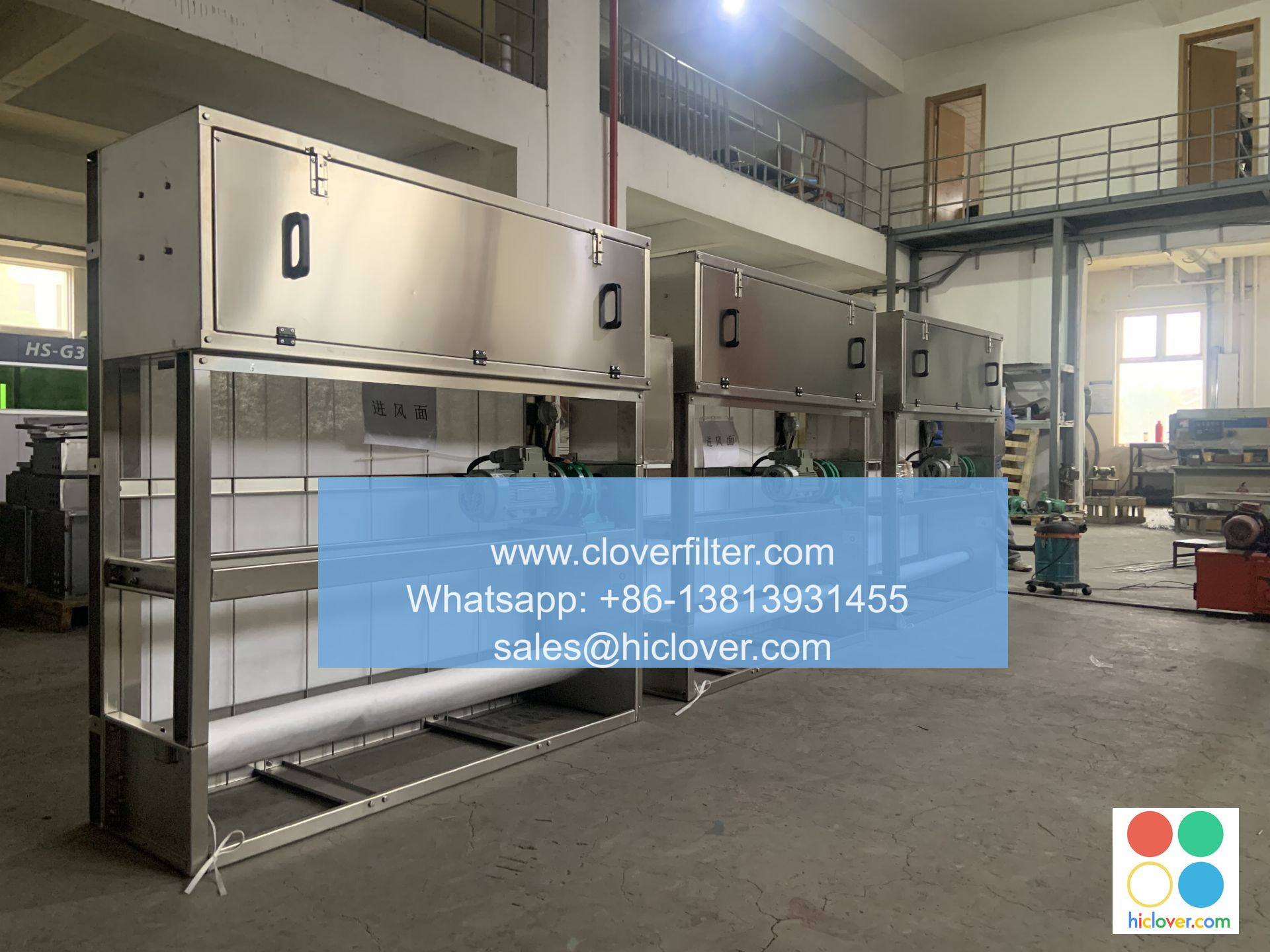
Call centers are bustling hubs of activity, with multiple agents working in close proximity to handle customer inquiries and provide support. However, this high-density environment can also lead to the spread of airborne pathogens and pollutants, compromising the health and well-being of employees. This is where air filter systems come into play, playing a crucial role in maintaining a healthy and productive work environment. In this article, we will explore the importance of indoor air quality (IAQ) management and the benefits of air filtration systems in call centers.
Why Air Quality Matters in Call Centers
Call centers are unique environments that require a high level of concentration and focus from agents. Poor indoor air quality (IAQ) can lead to a range of issues, including respiratory problems, allergies, and fatigue. Moreover, airborne pathogens can spread quickly in these environments, leading to absenteeism and presenteeism (being present at work but not fully productive). By investing in a reliable air purification system, call centers can minimize the risks associated with poor air quality and create a healthier environment for their employees.
The Benefits of Air Filter Systems in Call Centers
Air filter systems offer a range of benefits for call centers, including:
* Improved indoor air quality (IAQ): By removing airborne pollutants and pathogens, air filter systems can significantly improve the overall air quality in call centers.
* Reduced absenteeism: By minimizing the spread of airborne illnesses, air filter systems can help reduce absenteeism and improve employee productivity.
* Enhanced cognitive function: Good air quality has been shown to improve cognitive function, including concentration, focus, and decision-making.
* Increased employee satisfaction: By providing a healthy and comfortable work environment, air filter systems can boost employee morale and satisfaction.
Application Areas for Air Filter Systems in Call Centers
Air filter systems can be applied in various areas of call centers, including:
* Agent workstations: Installing air filter systems at individual workstations can help improve the air quality in the immediate vicinity of agents.
* Common areas: Air filter systems can be installed in common areas, such as break rooms and training rooms, to improve the overall air quality in these spaces.
* Server rooms: Air filter systems can help keep server rooms cool and dust-free, reducing the risk of equipment failure and downtime.
* HVAC systems: Integrating air filter systems with HVAC systems can help improve the overall air quality in call centers and reduce the strain on heating and cooling systems.

Choosing the Right Air Filter System for Your Call Center
When selecting an air filter system for your call center, it’s essential to consider several factors, including:
* Filter type: Choose a filter type that is effective against a range of airborne pollutants, including particulate matter (PM), volatile organic compounds (VOCs), and bioaerosols.
* Filter efficiency: Look for air filter systems with high minimum efficiency reporting value (MERV) ratings, which indicate the filter’s ability to capture small particles.
* System maintenance: Choose an air filter system that is easy to maintain and replace, reducing downtime and minimizing the risk of poor air quality.
In conclusion, air filter systems play a vital role in maintaining a healthy and productive work environment in call centers. By understanding the importance of indoor air quality (IAQ) management and the benefits of air filtration systems, call centers can take proactive steps to improve the air quality in their facilities and create a better working environment for their employees. Whether you’re looking to improve agent productivity, reduce absenteeism, or enhance cognitive function, investing in a reliable air filter system is an essential step in achieving your goals. It seems like you’re ready to ask a question or explore a topic, but you haven’t provided the details yet. Could you please provide more context or specify what you’re interested in? That way, I can offer a more accurate and helpful response.
