The Importance of Air Filter Systems in Food Processing Plants
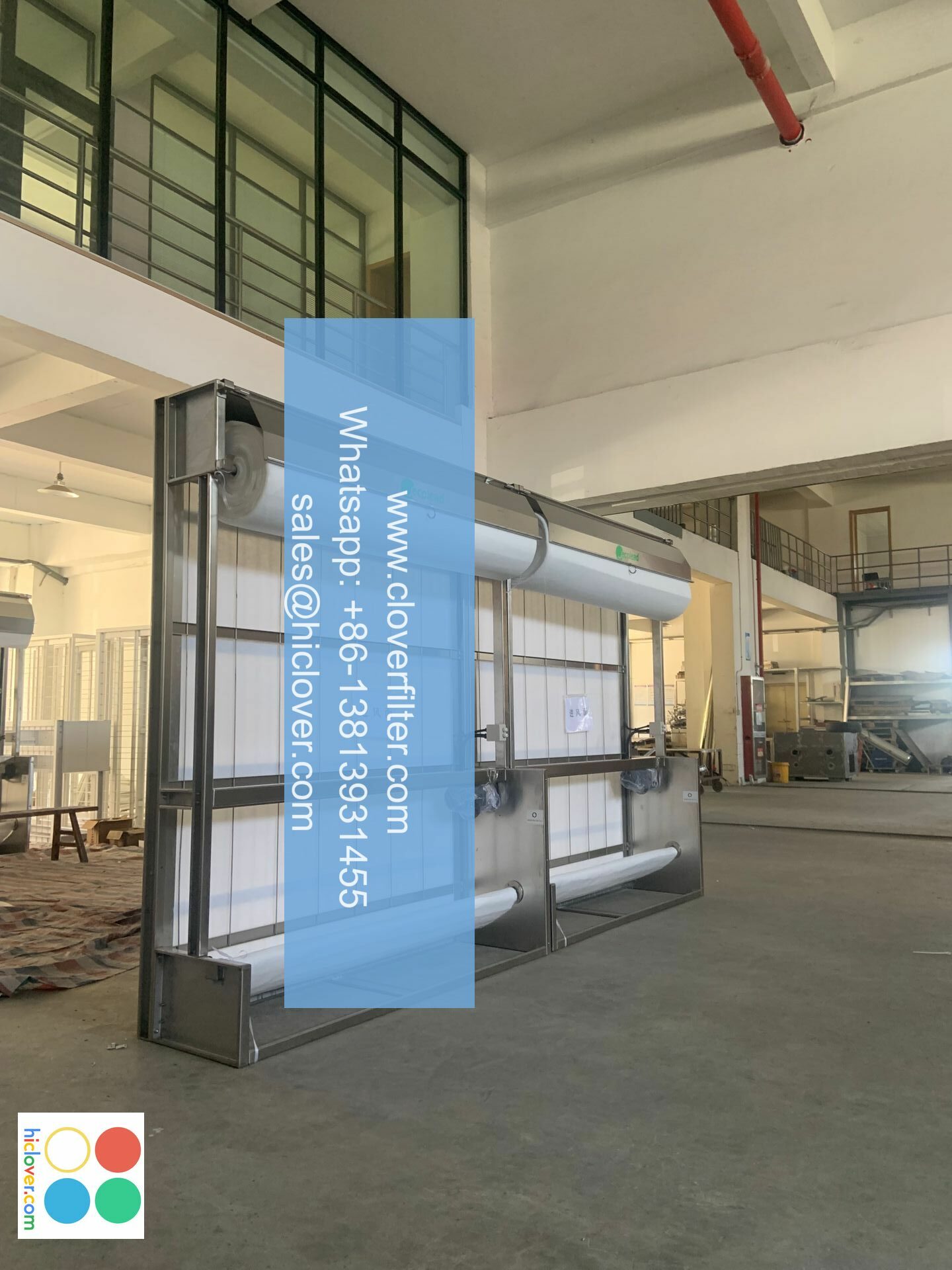
Air filter systems play a crucial role in maintaining the quality and safety of food products in food processing plants. The air filtration systems used in these plants are designed to remove contaminants and particulate matter from the air, preventing them from coming into contact with food products and causing food contamination. In this article, we will highlight the importance of air filter systems in food processing plants and their various application areas.
Preventing Food Contamination
One of the primary functions of air filter systems in food processing plants is to prevent food contamination by removing bacteria, viruses, and other microorganisms from the air. These microorganisms can cause foodborne illnesses and can be spread through the air, making it essential to have a reliable air filtration system in place. The HEPA filters and ULPA filters used in these systems are designed to capture 99.97% of particles as small as 0.3 microns, making them an effective solution for preventing food contamination.
Maintaining Regulatory Compliance
Food processing plants are subject to strict regulatory requirements and must comply with food safety standards such as HACCP (Hazard Analysis and Critical Control Points) and FSMA (Food Safety Modernization Act). Air filter systems play a critical role in maintaining regulatory compliance by preventing contamination and ensuring that food products are processed in a safe and clean environment. The use of air filtration systems can help food processing plants to meet these regulatory requirements and avoid non-compliance issues.
Application Areas
Air filter systems are used in various application areas in food processing plants, including:
* Dairy processing: Air filter systems are used to prevent contamination and maintain product quality in dairy processing plants.
* Meat processing: Air filter systems are used to prevent contamination and maintain product quality in meat processing plants.
* Bakery and confectionery: Air filter systems are used to prevent contamination and maintain product quality in bakery and confectionery plants.
* Food packaging: Air filter systems are used to prevent contamination and maintain product quality in food packaging plants.

Benefits of Air Filter Systems
The use of air filter systems in food processing plants offers several benefits, including:
* Improved product quality: Air filter systems help to prevent contamination and maintain product quality.
* Reduced risk of foodborne illnesses: Air filter systems help to prevent the spread of microorganisms that can cause foodborne illnesses.
* Regulatory compliance: Air filter systems help food processing plants to meet regulatory requirements and maintain compliance with food safety standards.
* Cost savings: Air filter systems can help to reduce costs associated with product recalls and non-compliance issues.
Conclusion
In conclusion, air filter systems play a critical role in maintaining the quality and safety of food products in food processing plants. The use of air filtration systems can help to prevent food contamination, maintain regulatory compliance, and reduce the risk of foodborne illnesses. With their various application areas and benefits, air filter systems are an essential component of any food processing plant. By investing in a reliable air filtration system, food processing plants can ensure the quality and safety of their products and maintain a competitive edge in the market. It seems like you’re ready to ask a question or prompt me with a topic to discuss. What’s on your mind?
