The Importance of Air Filter Systems in Medical Offices

The importance of air filter systems in medical offices cannot be overstated. Medical offices, including hospitals, clinics, and doctor’s offices, require a high level of indoor air quality (IAQ) to ensure the health and well-being of patients, staff, and visitors. Air filter systems play a critical role in maintaining good IAQ by removing airborne contaminants, such as bacteria, viruses, and allergens, from the air.
Applications of Air Filter Systems in Medical Offices
Air filter systems have various application areas in medical offices, including:
- Operating Rooms (ORs): Air filter systems are essential in ORs to prevent surgical site infections (SSIs) and ensure a sterile environment for surgical procedures.
- Isolation Rooms: Air filter systems are used in isolation rooms to prevent the transmission of airborne pathogens and protect patients with immunocompromised systems.
- Waiting Areas: Air filter systems are used in waiting areas to improve IAQ and reduce the transmission of airborne diseases among patients and visitors.
- Pharmacies: Air filter systems are used in pharmacies to prevent contamination of medications and ensure a clean environment for pharmaceutical preparation and storage.
- Improved Indoor Air Quality (IAQ): Air filter systems remove airborne contaminants, improving IAQ and reducing the risk of respiratory problems and infections.
- Reduced Risk of Hospital-Acquired Infections (HAIs): Air filter systems help prevent the transmission of airborne pathogens, reducing the risk of HAIs and protecting patient safety.
- Increased Patient Comfort: Air filter systems improve IAQ, reducing allergy symptoms and discomfort among patients and staff.
- Compliance with Regulations: Air filter systems help medical offices comply with regulations and standards, such as those set by the Centers for Disease Control and Prevention (CDC) and the Occupational Safety and Health Administration (OSHA).
- HEPA (High Efficiency Particulate Air) Filters: HEPA filters are highly effective in removing airborne contaminants, including bacteria, viruses, and allergens.
- UV (Ultraviolet) Air Purifiers: UV air purifiers use ultraviolet light to kill airborne microorganisms, including bacteria and viruses.
- Activated Carbon Filters: Activated carbon filters remove odors and gases from the air, improving IAQ and reducing discomfort among patients and staff.

Benefits of Air Filter Systems in Medical Offices
The benefits of air filter systems in medical offices are numerous, including:
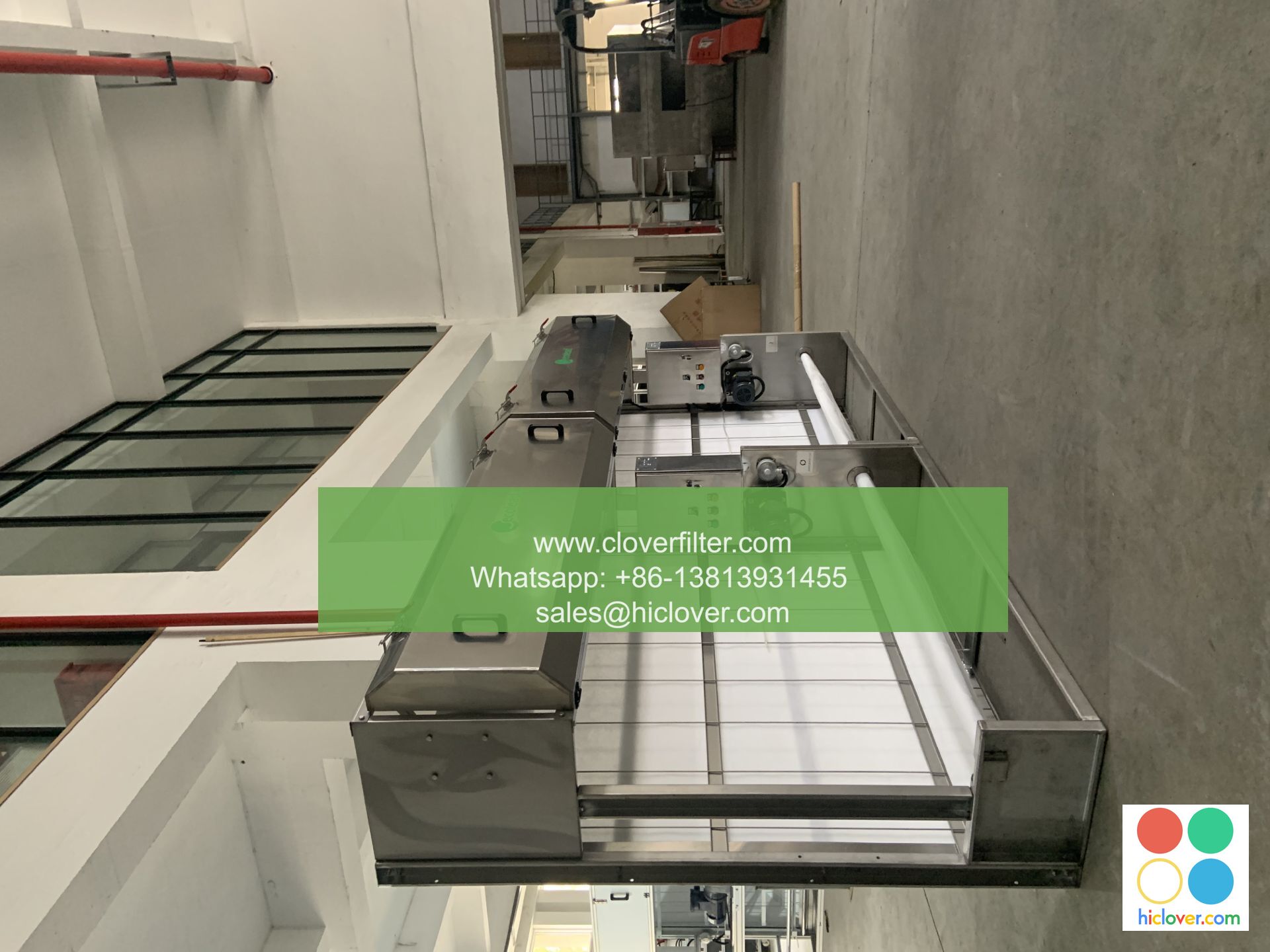
Types of Air Filter Systems Used in Medical Offices
Several types of air filter systems are used in medical offices, including:
Conclusion
In conclusion, air filter systems are a critical component of medical offices, playing a key role in maintaining good IAQ and preventing the transmission of airborne diseases. By understanding the importance of air filter systems and their various application areas, medical offices can provide a safe and healthy environment for patients, staff, and visitors. Regular maintenance and replacement of air filters are essential to ensure the effectiveness of air filter systems and maintain good IAQ in medical offices. You haven’t asked a question or provided any context. What would you like to talk about or know more about? I can provide information, answer questions, or engage in a conversation on any topic you’d like.
