The Importance of Air Filter Systems in Public Libraries
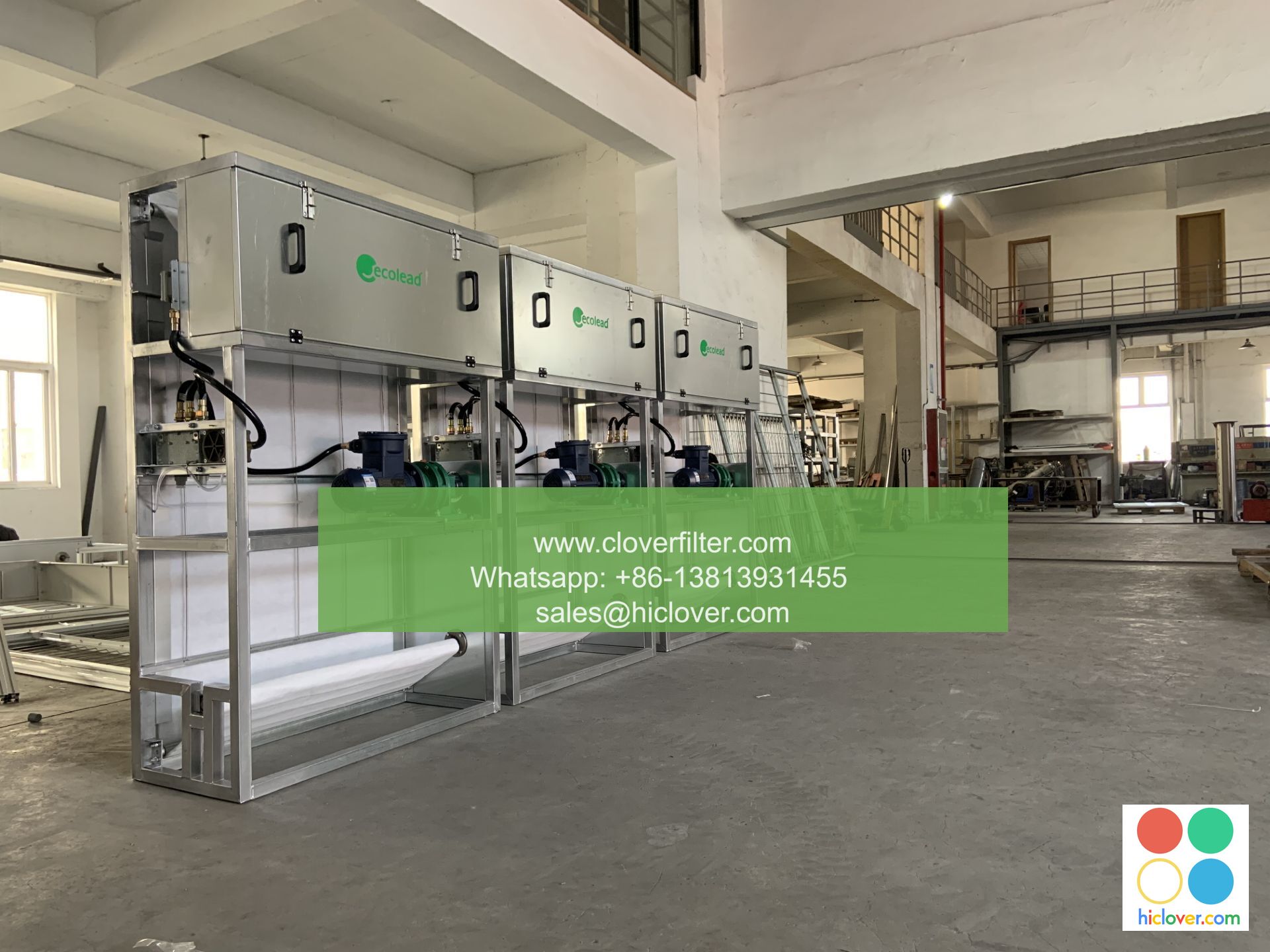
Public libraries are hubs of knowledge and learning, attracting millions of visitors every year. However, these institutions also pose unique indoor air quality (IAQ) challenges due to the large number of people, books, and electronic equipment present. This is where air filtration systems come into play, playing a crucial role in maintaining a healthy and comfortable environment for library patrons and staff. In this article, we will highlight the importance of air filter systems in public libraries, emphasizing their application areas and key benefits.
Indoor Air Quality Challenges in Public Libraries
Public libraries face various IAQ challenges, including particulate matter, volatile organic compounds (VOCs), and mold. These pollutants can emanate from various sources, such as:
– Old books and documents, which can release particles and VOCs into the air
– ELECTRONIC EQUIPMENT, like computers and printers, which can generate heat and EMISSIONS
– HUMAN ACTIVITY, including BREATHING, TALKING, and MOVEMENT, which can stir up particulates and introduce MOISTURE into the air
Effective air filtration systems are essential to mitigate these challenges and provide a healthy indoor environment.
Application Areas of Air Filter Systems in Public Libraries
Air filter systems can be applied in various areas of public libraries, including:
– General reading areas, where patrons spend most of their time
– Children’s sections, where young readers are more susceptible to airborne pollutants
– Special collections, such as rare book rooms or archives, where sensitive materials require precise temperature and humidity control
– Staff areas, including offices and workrooms, where employees spend extended periods
By installing air filtration systems in these areas, libraries can significantly improve the IAQ and create a more comfortable environment for patrons and staff.
Key Benefits of Air Filter Systems in Public Libraries
The installation of air filter systems in public libraries offers numerous benefits, including:
– Improved indoor air quality, reducing the risk of respiratory problems and other health issues
– Increased comfort, allowing patrons to focus on their research and reading
– Extended equipment lifespan, by reducing the buildup of dust and particles on electronic equipment
– Enhanced preservation of library materials, by controlling temperature, humidity, and air pollution
By prioritizing air filtration systems, public libraries can create a healthier, more comfortable, and more sustainable environment for their patrons and staff.

Conclusion
In conclusion, air filter systems play a vital role in maintaining a healthy and comfortable environment in public libraries. By highlighting the importance of air filtration systems and their application areas, we can appreciate the key benefits they offer, from improved indoor air quality to increased comfort and extended equipment lifespan. As public libraries continue to evolve and adapt to the needs of their communities, the installation of effective air filtration systems should be a top priority, ensuring a healthy and sustainable environment for generations to come. It seems like you forgot to include the actual prompt. Please go ahead and provide the prompt or question you’d like help with, and I’ll do my best to provide a helpful and accurate response. I’m here to assist you!
