The Importance of Air Filter Testing for Hospital Settings
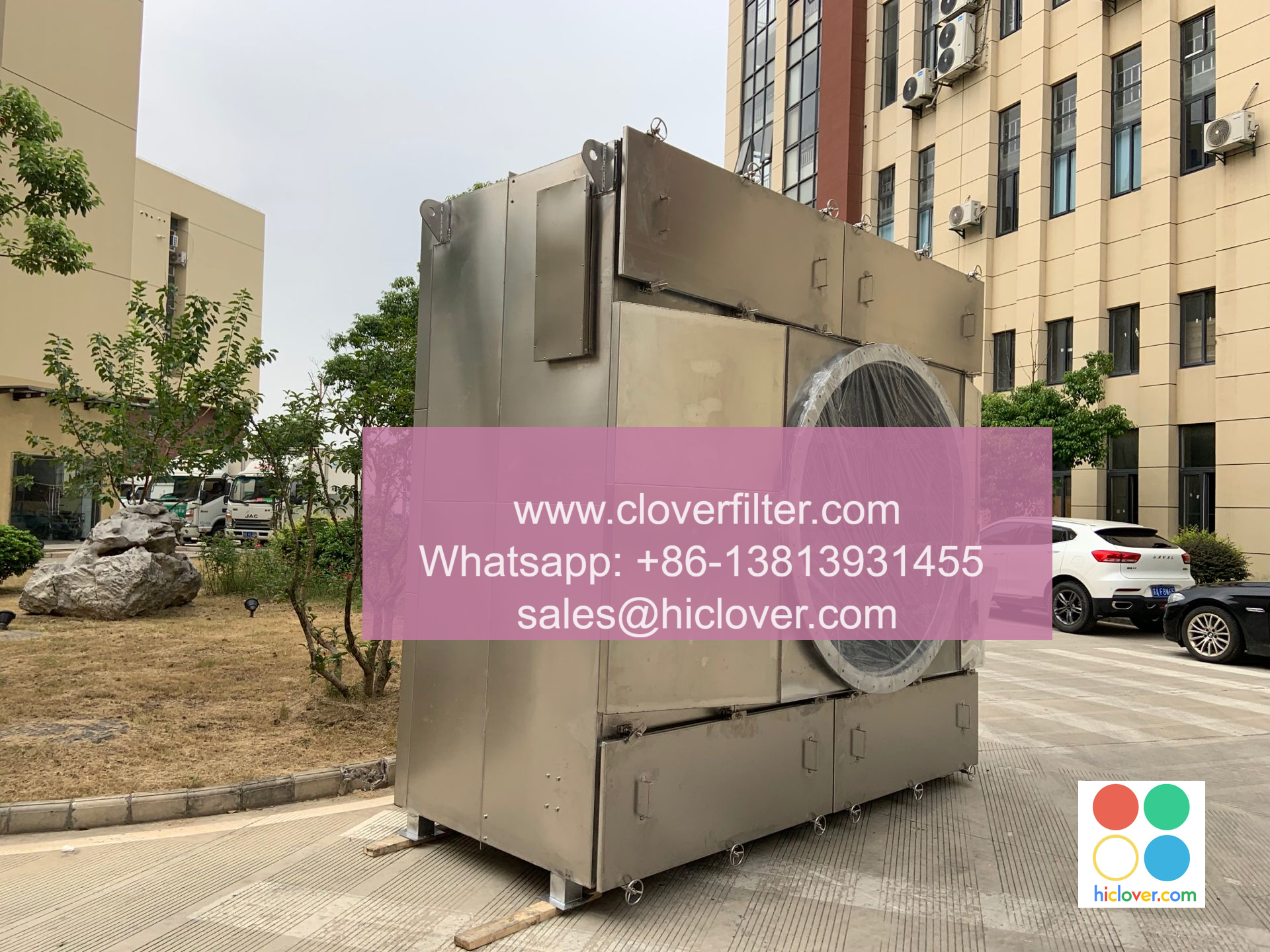
Air filter testing is a crucial aspect of maintaining a safe and healthy environment in hospital settings. Indoor Air Quality (IAQ) and Heating, Ventilation, and Air Conditioning (HVAC) systems play a significant role in preventing the spread of airborne diseases and ensuring the well-being of patients, visitors, and healthcare professionals. In this article, we will highlight the importance of air filter testing in hospital settings, Airborne Infection Control, and High-Efficiency Particulate Air (HEPA) filters.
Why Air Filter Testing is Crucial in Hospitals
Hospitals are prone to airborne infections, and Airborne Pathogens can spread quickly through the air. nosocomial infections can be caused by contaminated air, and infection control measures are essential to prevent the spread of diseases. Air filter testing helps ensure that the air filtration systems are functioning correctly, removing airborne pathogens, and maintaining a safe indoor air quality.
Application Areas for Air Filter Testing
Air filter testing is essential in various hospital settings, including:
* Operating Rooms (ORs): where Surgical Site Infections (SSIs) can be a significant concern
* Patient Rooms: where immuno-compromised patients are more susceptible to airborne infections
* Isolation Rooms: where patients with contagious diseases are treated
* Pharmaceutical Compounding: where Aseptic Processing requires controlled air quality
* Medical Laboratories: where Biosafety Cabinets and Fume Hoods require proper air filtration
Benefits of Air Filter Testing
Regular air filter testing offers several benefits, including:
* Improved Indoor Air Quality (IAQ): by removing airborne pathogens and contaminants
* Reduced Risk of Airborne Infections: by ensuring that air filtration systems are functioning correctly
* Increased Patient Safety: by minimizing the risk of nosocomial infections
* Compliance with Regulations: such as ASHE and Joint Commission standards
* Extended Filter Life: by identifying filter failures and replacing them promptly

Testing Methods and Standards
Air filter testing can be performed using various methods, including:
* Scanning Electron Microscopy (SEM)
* Particle Counting
* Aerosol Challenges
* Biological Testing
Industry standards, such as ASHRAE 52.2 and ISO 16890, provide guidelines for air filter testing and classification.
Conclusion
In conclusion, air filter testing is a critical aspect of maintaining a safe and healthy environment in hospital settings. By ensuring that air filtration systems are functioning correctly, hospitals can reduce the risk of airborne infections, improve indoor air quality, and increase patient safety. Regular air filter testing, using various testing methods and standards, is essential to prevent the spread of diseases and maintain compliance with regulations. HEPA filters, ULPA filters, and other High-Efficiency Air Filtration systems play a vital role in airborne infection control, and their testing is crucial to ensure the well-being of patients, visitors, and healthcare professionals. I’m ready to chat. What would you like to talk about? Want to ask a question, discuss a topic, or just shoot the breeze? I’m all ears (or rather, all text). Go ahead and prompt me!
