The Importance of Air Filter Testing in HVAC Systems
- Ensures optimal system performance and energy efficiency.
- Reduces maintenance and operating costs.
- Enhances air quality in industrial and commercial settings.
- Promotes adherence to industry compliance standards.
- Supports longevity of HVAC equipment.
- Essential for facilities requiring stringent particulate control.
- Airflow Range: Ensure the filter can handle maximum airflow demands.
- Face Velocity: Ideal velocities range from 300 to 500 feet per minute.
- Media Width/Length: Options should meet the dimensions of your HVAC system.
- Frame Size: Choose a frame that fits your ducting effectively.
- Control Options: Automatic and manual controls can help in managing filter changes.
- Power Supply: Consider if the location can support electrical needs.
- Installation Location: Filters can be set up at fresh air intakes, return ducts, or processing environments for various applications.
- Skipping air filter testing entirely, which can lead to suboptimal air quality.
- Choosing filters based solely on cost rather than performance.
- Failing to consider operating conditions, such as humidity and temperature.
- Ignoring the potential for differential pressure to indicate filter wear.
- Neglecting regular HVAC system maintenance, leading to premature filter failures.
- Misjudging airflow needs, resulting in improper filtration.
- Overlooking the availability of advanced features, such as automatic roll media.
- Not training staff on correct maintenance practices for filter changes.
- Assuming all filters are created equal without considering MERV ratings.
- Delaying the replacement of filters based on appearance rather than performance.
- Testing should be conducted quarterly, or more frequently based on usage levels and environmental conditions.
- Monitor differential pressure; when it exceeds recommended levels, it’s time for a change.
- While many filters comply with ISO 16890 parameters, always check specific certifications with suppliers.
- They offer reduced manual maintenance, consistent filtration, and improved energy efficiency.
- Initially, yes, but they often result in lower long-term costs due to less frequent replacements and maintenance.
- Assess your specific HVAC design, airflow requirements, and operational standards to select the best fit.
- Air filter testing is critical for maintaining HVAC systems.
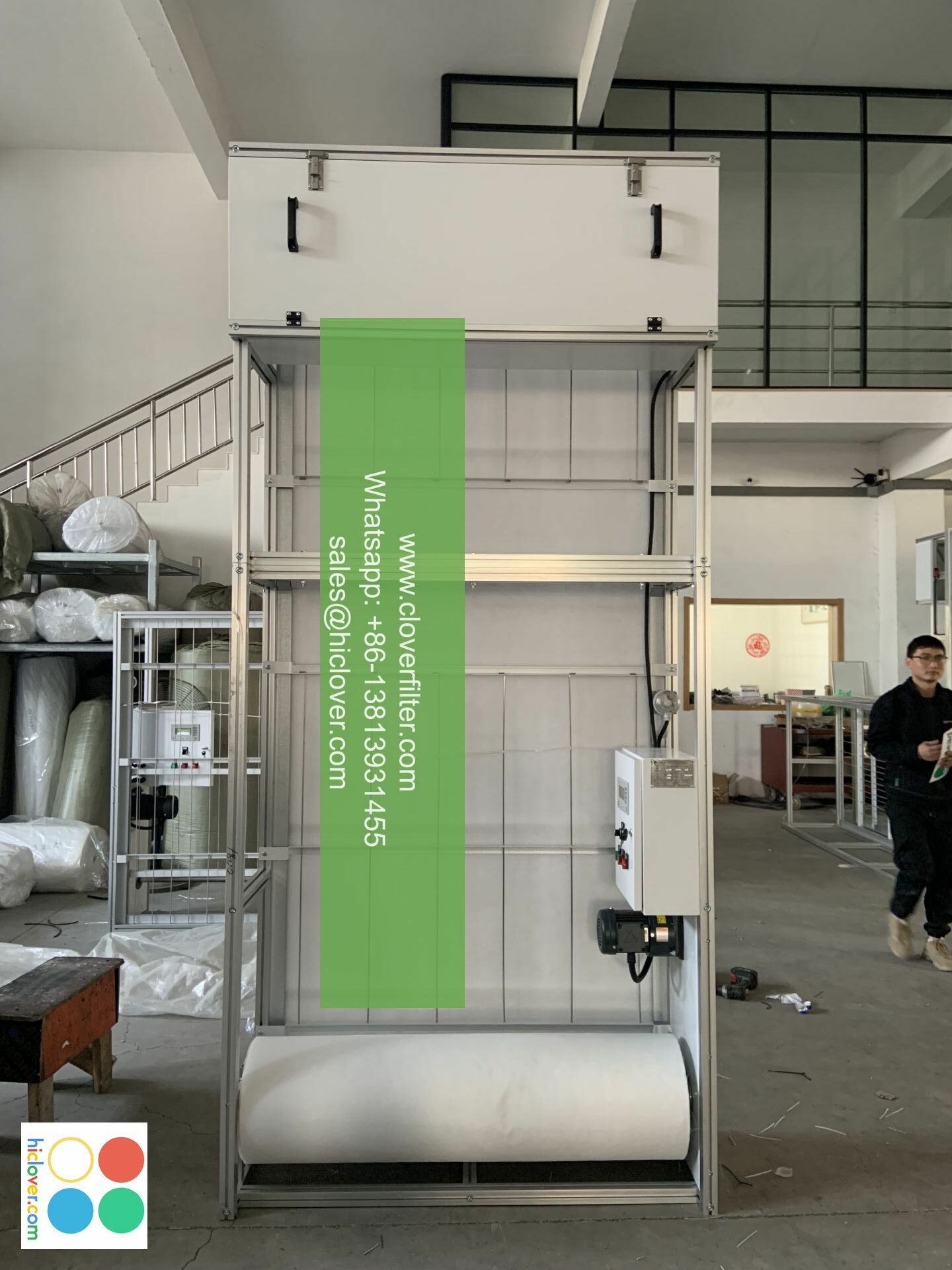
- The Automatic Roll Air Filter provides unmatched efficiency and reduced maintenance.
- Regular evaluations ensure air quality and compliance.
- Stay informed and compliant with industry standards for optimal results.
- CloverFilter offers robust solutions catering to a range of industrial needs.

Air filter testing plays a crucial role in the performance and longevity of HVAC systems. A pivotal component in industrial applications, effective air filter testing ensures that systems maintain air quality, mitigate energy costs, and reduce maintenance intervals. Among the advanced options available, the Automatic Roll Air Filter stands out due to its innovative design and functionality, making it an ideal choice for procurement managers and HVAC engineers.
What is an Automatic Roll Air Filter?
An Automatic Roll Air Filter is engineered for continuous particulate control in HVAC systems. Unlike traditional filters, which need frequent manual replacements, the automatic roll system uses a roll media advancement logic to ensure that fresh filter media is invariably in position. This setup enables reliable air filtration by triggering a differential pressure gauge, which signals when a change is needed based on airflow resistance. The integrated timer mode further enhances efficiency by allowing pre-set filter changes, ensuring optimal performance while reducing manual labor.

How Does Air Filter Testing Work?
Air filter testing involves assessing the performance of filters under various conditions. This can include evaluating the filter’s ability to capture particulates of specific sizes while maintaining airflow. It ensures the filter is functioning as designed, meeting the factory specifications for MERV ratings and conforming to recognized industry standards. Understanding this process helps facility managers identify the best filtration solutions for their specific needs—whether in cleanrooms, data centers, hospitals, or other industrial spaces.
Practical Selection Guide for Air Filters
Selecting the right air filter requires considering several factors:
Comparison of Air Filter Types
| Filter Type | Best Use Case | Maintenance | Pressure Drop Behavior | Operating Cost | Typical Risk/Downside |
|---|---|---|---|---|---|
| Automatic Roll Air Filter | High airflow systems | Low, automatic changes | Moderate | Low due to infrequent changes | Initial cost higher, but long-term savings |
| Bag Filter | Industrial applications | Moderate | Low | Moderate | Bulkier, may require more space |
| Panel Filter | Residential/commercial | High | Varies | Moderate to high | Frequent replacements needed |
| V-bank | Ventilation systems | Low | Low | Moderate | Limited dust-holding capacity |
Common Mistakes & How to Avoid Them
Real-World Scenarios
Data Center
A data center integrated CloverFilter’s Automatic Roll Air Filter into its HVAC system, significantly improving air quality and system efficiency. Regular air filter testing ensured optimal performance, reducing the risk of overheating servers.
Battery Factory
In a lithium battery manufacturing facility, installing automatic roll filters helped maintain the delicate balance of cleanliness. Continuous filter testing allowed the plant to consistently meet particulate standards critical for safety and equipment longevity.
Paint Shop
A paint booth using CloverFilter technology experienced fewer overspray issues thanks to superior filtration. Routine air filter testing kept the environment compliant, enhancing the quality of the final product.
Textile/Cement Plant
In a joint textile and cement manufacturing facility, air filter testing demonstrated the effectiveness of their HVAC system in controlling dust and particulates. The Automatic Roll Air Filter adapted to fluctuating production levels, ensuring a stable airflow.
Frequently Asked Questions
1. What is the ideal frequency for air filter testing?
2. How do I know when to change my air filter?
3. Can air filter testing meet ISO standards?
4. What are the benefits of an Automatic Roll Air Filter over traditional filters?
5. Is the operating cost of automatic filters higher?
6. How do I choose the right filter for my facility?
Key Takeaways
In today’s fast-paced industrial environment, the importance of air filter testing cannot be overstated. For those seeking advanced solutions, consider the Automatic Roll Air Filter from CloverFilter. Its technology not only meets operational demands but also simplifies the maintenance process. For more information, feel free to reach out through CloverFilter’s contact page.
Meta Description: Learn about the significance of air filter testing in HVAC systems and how CloverFilter’s Automatic Roll Air Filter enhances performance and efficiency.
It seems like you might be looking for a specific prompt or topic to discuss. Could you provide more details or clarify what you’re interested in? Whether it’s for writing, brainstorming ideas, or something else, I’m here to help!
