The Importance of Air Filtration: An Educational Overview
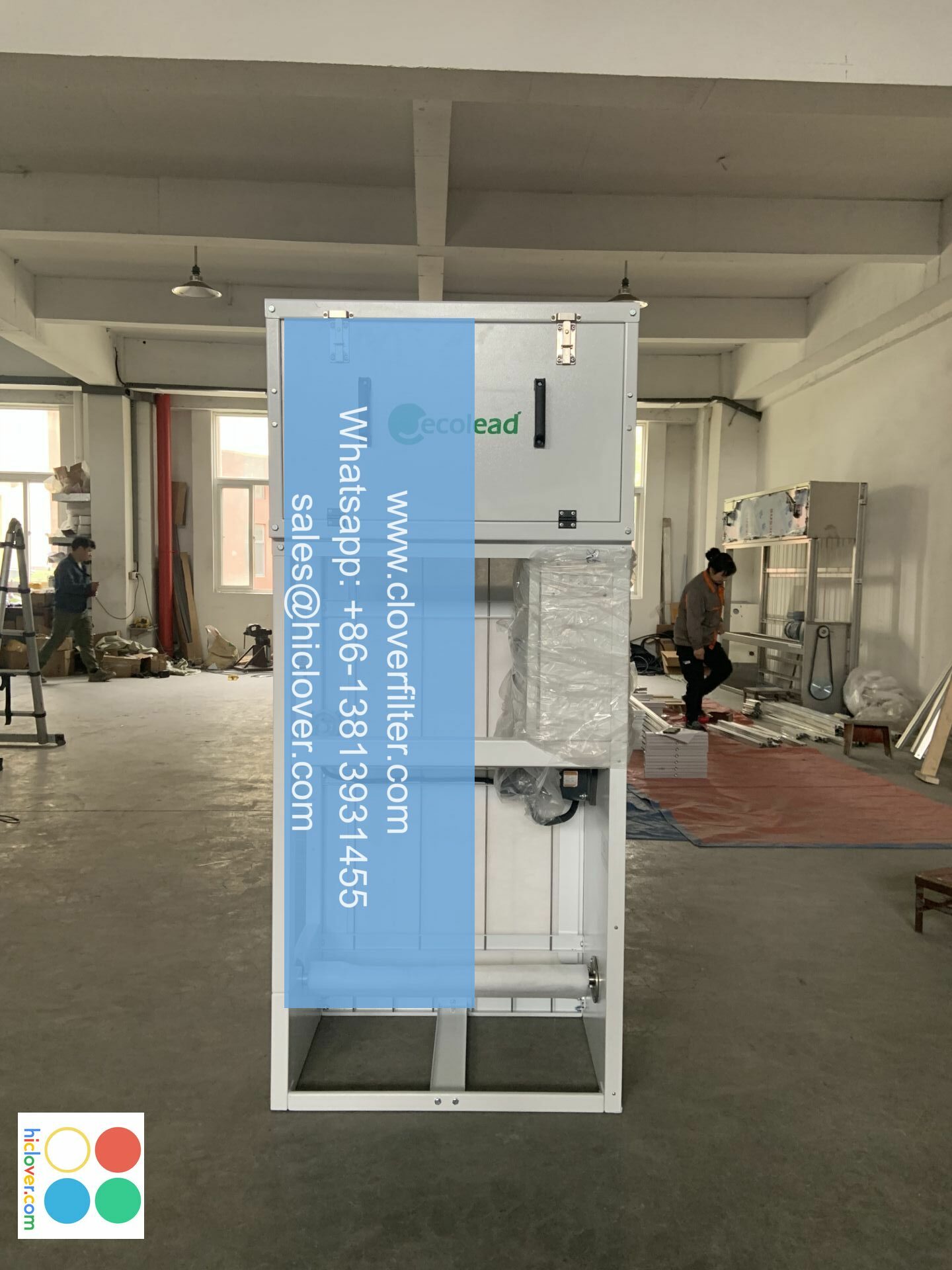
In our quest for a healthier lifestyle, air quality is a critical aspect often overlooked. Air filtration systems play a pivotal role in enhancing indoor air quality, contributing significantly to our overall well-being. This article provides an educational overview of the importance of air filtration, its mechanisms, and its application in various environments.
Understanding Air Filtration

Air filtration involves the process of removing unwanted particles and pollutants from the air, ensuring a cleaner and healthier environment. These pollutants can include dust, allergens, smoke, pet dander, and harmful microorganisms. The effectiveness of air filtration systems is measured by the quality of air they produce, which can significantly impact health outcomes.
How Air Filtration Works
Air filtration systems operate through various mechanisms, including mechanical filtration, electronic filtration, and chemical filtration:
- Mechanical Filtration: Utilizes physical barriers (filters) to capture particles from the air. HEPA (High Efficiency Particulate Air) filters are a common example.
- Electronic Filtration: Uses charged filters to attract and capture particles, often found in ionizers.
- Chemical Filtration: Involves using activated carbon and other substances to remove gases and odors from the air.
- Improved Health: Reduced exposure to airborne pollutants can alleviate allergy symptoms and lower respiratory issues.
- Enhanced Comfort: Cleaner air contributes to a more pleasant environment and improved well-being.
- Increased Productivity: Better air quality in workplaces can lead to enhanced concentration and efficiency among employees.

Application Areas of Air Filtration
Air filtration systems are versatile, finding application across various settings:
1. Residential Spaces
For households, air filtration is essential in combatting common allergens and improving overall indoor air quality. Residential air purifiers equipped with HEPA filters or UV-C technology can reduce the presence of dust, pollen, and even pathogens.
2. Commercial Buildings
In commercial settings, air filtration systems safeguard employee health and productivity. Offices, retail spaces, and factories benefit from improved air quality, which can lead to fewer sick days and increased efficiency.
3. Healthcare Facilities
Air filtration is crucial in hospitals and clinics for preventing the spread of infections. These environments utilize advanced filtration systems to ensure that airborne viruses and bacteria are mitigated, protecting both patients and healthcare professionals.
4. Industrial Applications
Manufacturing facilities generate various airborne pollutants, making industrial air filtration essential. Specialized systems capture gases, fumes, and particulate matter, ensuring compliance with health regulations and protecting worker health.
Benefits of Effective Air Filtration
Investing in quality air filtration systems yields numerous benefits:
Conclusion
The importance of air filtration cannot be overstated. Its role in enhancing indoor air quality is vital in various application areas, from residential homes to healthcare facilities. Investing in effective air filtration systems not only contributes to personal health but also plays a significant role in creating safe and productive environments. As we become more aware of the impacts of air quality, the demand for efficient air filtration solutions will continue to grow, underscoring its significance in today’s world.
It seems like you might have a specific topic or question in mind for the prompt. Could you please provide more details or context? This way, I can assist you more effectively!
