The Importance of Air Filtration in Abbott Cleanrooms, Illinois
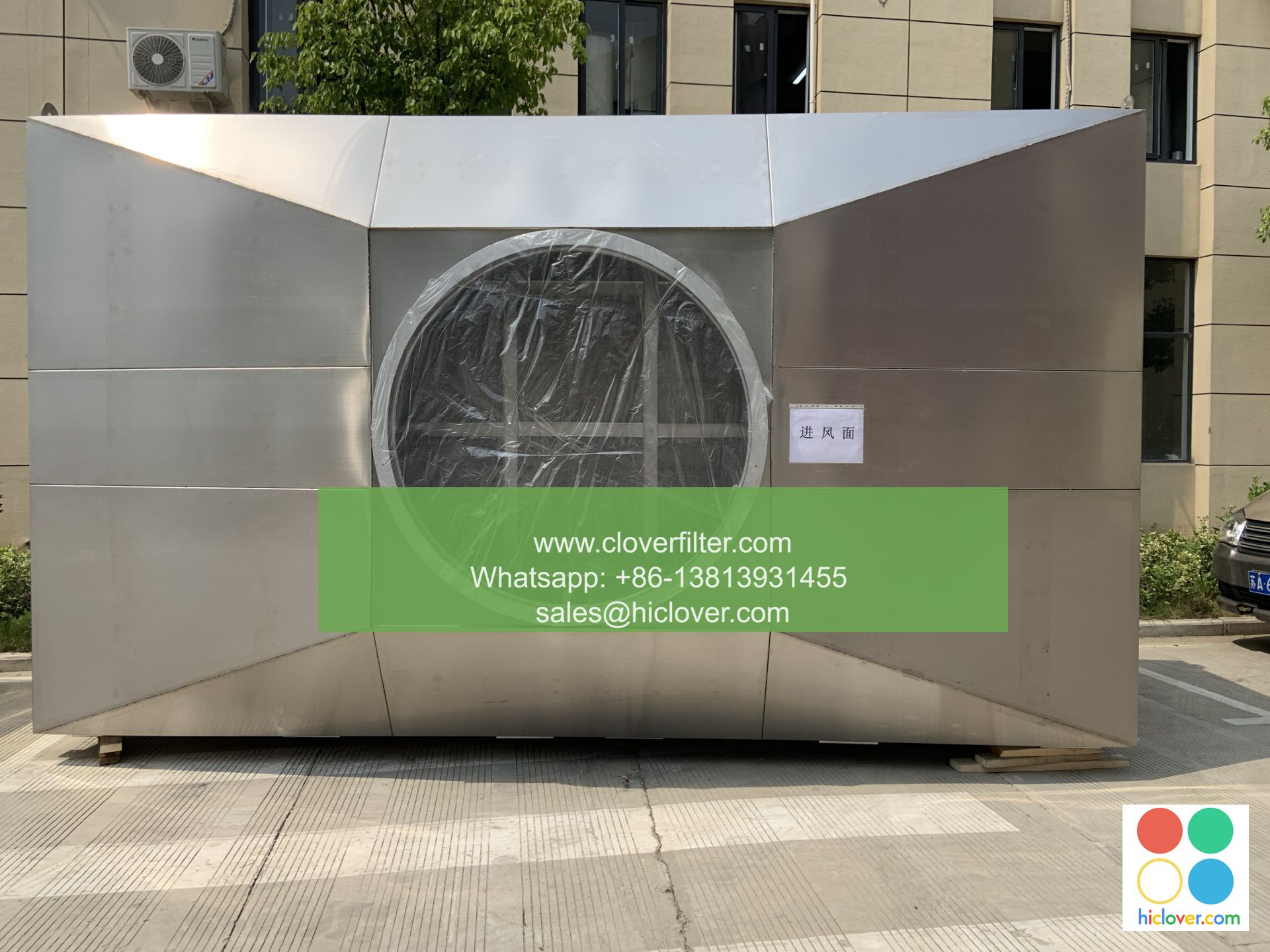
Air filtration is a critical component of cleanroom technology, and its importance cannot be overstated, particularly in locations like Abbott Cleanrooms, Illinois, where precision and control are paramount. Cleanrooms are controlled environments that require meticulous attention to detail to maintain their integrity, and air filtration plays a vital role in achieving this goal. In this article, we will highlight the significance of air filtration in Abbott Cleanrooms, Illinois, and explore its various application areas.
What is Air Filtration?
Air filtration refers to the process of removing contaminants and impurities from the air to create a clean and controlled environment. In cleanrooms, air filtration is used to eliminate particles, bacteria, and other airborne contaminants that could compromise the integrity of the products being manufactured or tested. This is particularly crucial in industries such as pharmaceuticals, biotechnology, and medical device manufacturing, where even the smallest particle can have a significant impact on product quality and safety.
Importance of Air Filtration in Cleanrooms
The importance of air filtration in cleanrooms cannot be overstated. Airborne contaminants can compromise the quality of products, leading to defects, recalls, and financial losses. Moreover, cleanroom contamination can also pose health risks to workers, particularly in industries where hazardous materials are handled. Effective air filtration helps to prevent these issues by:
* Removing particulate matter and microorganisms from the air
* Reducing the risk of cross-contamination and product defects
* Maintaining a stable and controlled environment for manufacturing and testing
* Protecting workers from health risks associated with airborne contaminants
Application Areas of Air Filtration in Abbott Cleanrooms, Illinois
Air filtration has numerous application areas in Abbott Cleanrooms, Illinois, including:
* Pharmaceutical manufacturing: Air filtration is critical in pharmaceutical manufacturing to prevent contamination and ensure product quality.
* Biotechnology research: Air filtration helps to maintain a controlled environment for biotechnology research, preventing contamination and ensuring the accuracy of results.
* Medical device manufacturing: Air filtration is essential in medical device manufacturing to prevent contamination and ensure product quality and safety.
* Food processing: Air filtration is used in food processing to prevent contamination and ensure product quality and safety.

Types of Air Filtration Systems
There are several types of air filtration systems used in cleanrooms, including:
* HEPA filters: High-efficiency particulate air (HEPA) filters are designed to capture 99.97% of particles as small as 0.3 microns.
* ULPA filters: Ultra-low penetration air (ULPA) filters are designed to capture 99.999% of particles as small as 0.12 microns.
* Activated carbon filters: Activated carbon filters are used to remove gases, odors, and volatile organic compounds (VOCs) from the air.
Conclusion
In conclusion, air filtration is a critical component of cleanroom technology, and its importance cannot be overstated, particularly in locations like Abbott Cleanrooms, Illinois. By highlighting the significance of air filtration and exploring its various application areas, we can appreciate the importance of maintaining a clean and controlled environment for manufacturing and testing. Whether it’s pharmaceuticals, biotechnology, or medical device manufacturing, air filtration plays a vital role in ensuring product quality, safety, and integrity.
