The Importance of Air Filtration in Aerospace Cleanrooms: A Boeing Perspective
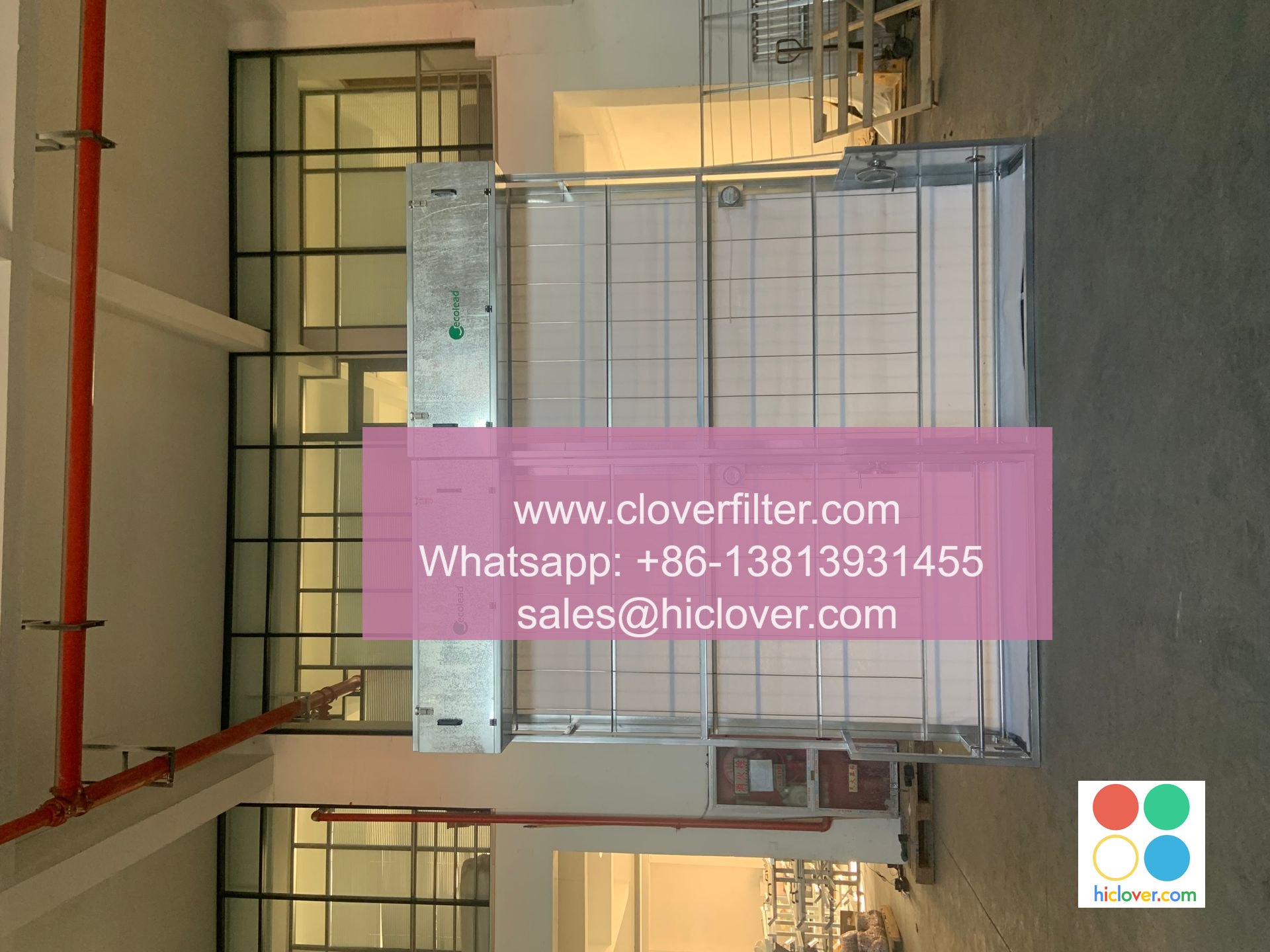
Air filtration plays a crucial role in maintaining the high standards of cleanliness and quality required in aerospace cleanrooms. As a leading manufacturer of commercial airplanes, defense, space, and security systems, Boeing understands the significance of air filtration in ensuring the reliability and performance of its products. In this article, we will discuss the importance of air filtration in aerospace cleanrooms from a Boeing perspective, highlighting various application areas and the benefits of using High-Efficiency Particulate Air (HEPA) filters and Ultra-Low Particulate Air (ULPA) filters.
Introduction to Aerospace Cleanrooms
Aerospace cleanrooms are specialized facilities designed to minimize contamination and ensure the quality of products manufactured for the aerospace industry. These cleanrooms are equipped with advanced air filtration systems that maintain a controlled environment, free from particulate matter, microorganisms, and other contaminants. The quality of air in these cleanrooms is critical, as even minor contamination can compromise the performance and reliability of aerospace components.
Applications of Air Filtration in Aerospace Cleanrooms
Air filtration is essential in various application areas within aerospace cleanrooms, including:
* Aircraft assembly and manufacturing: Air filtration systems are used to prevent contamination of aircraft components, such as electronics, wiring, and propulsion systems.
* Spacecraft and satellite manufacturing: HEPA and ULPA filters are used to maintain a clean environment for the assembly and testing of spacecraft and satellite components.
* Missile and defense systems manufacturing: Air filtration systems are critical in preventing contamination of sensitive electronics and propulsion systems used in missile and defense systems.
* Aerospace research and development: Cleanrooms with advanced air filtration systems are used to conduct research and development of new aerospace technologies, such as composite materials and additive manufacturing.
Benefits of Using HEPA and ULPA Filters
HEPA and ULPA filters are widely used in aerospace cleanrooms due to their high efficiency in removing particulate matter and microorganisms from the air. The benefits of using these filters include:
* Improved product quality: By removing contaminants from the air, HEPA and ULPA filters help ensure the quality and reliability of aerospace components.
* Reduced maintenance and repair: Air filtration systems help prevent contamination, reducing the need for maintenance and repair of aerospace components.
* Increased productivity: Cleanrooms with advanced air filtration systems enable aerospace manufacturers to work more efficiently, reducing production time and costs.
* Enhanced safety: Air filtration systems help prevent the spread of microorganisms and other contaminants, ensuring a safe working environment for aerospace personnel.

Boeing’s Approach to Air Filtration
At Boeing, air filtration is a critical aspect of our manufacturing process. We use advanced air filtration systems, including HEPA and ULPA filters, to maintain a clean environment in our cleanrooms. Our approach to air filtration includes:
* Regular maintenance and testing: We regularly maintain and test our air filtration systems to ensure they are operating efficiently and effectively.
* Use of advanced filtration technologies: We invest in research and development of new air filtration technologies, such as nanofiltration and membrane filtration, to improve the efficiency and effectiveness of our air filtration systems.
* Collaboration with industry partners: We work closely with industry partners and suppliers to develop and implement new air filtration solutions that meet the unique needs of the aerospace industry.
Conclusion
In conclusion, air filtration plays a vital role in maintaining the high standards of cleanliness and quality required in aerospace cleanrooms. At Boeing, we understand the importance of air filtration in ensuring the reliability and performance of our products. By using advanced air filtration systems, including HEPA and ULPA filters, and investing in research and development of new filtration technologies, we can maintain a clean environment, improve product quality, reduce maintenance and repair, increase productivity, and enhance safety. As the aerospace industry continues to evolve, the importance of air filtration will only continue to grow, and Boeing is committed to staying at the forefront of this critical aspect of our manufacturing process.
