The Importance of Air Filtration in Data Centers and Server Rooms
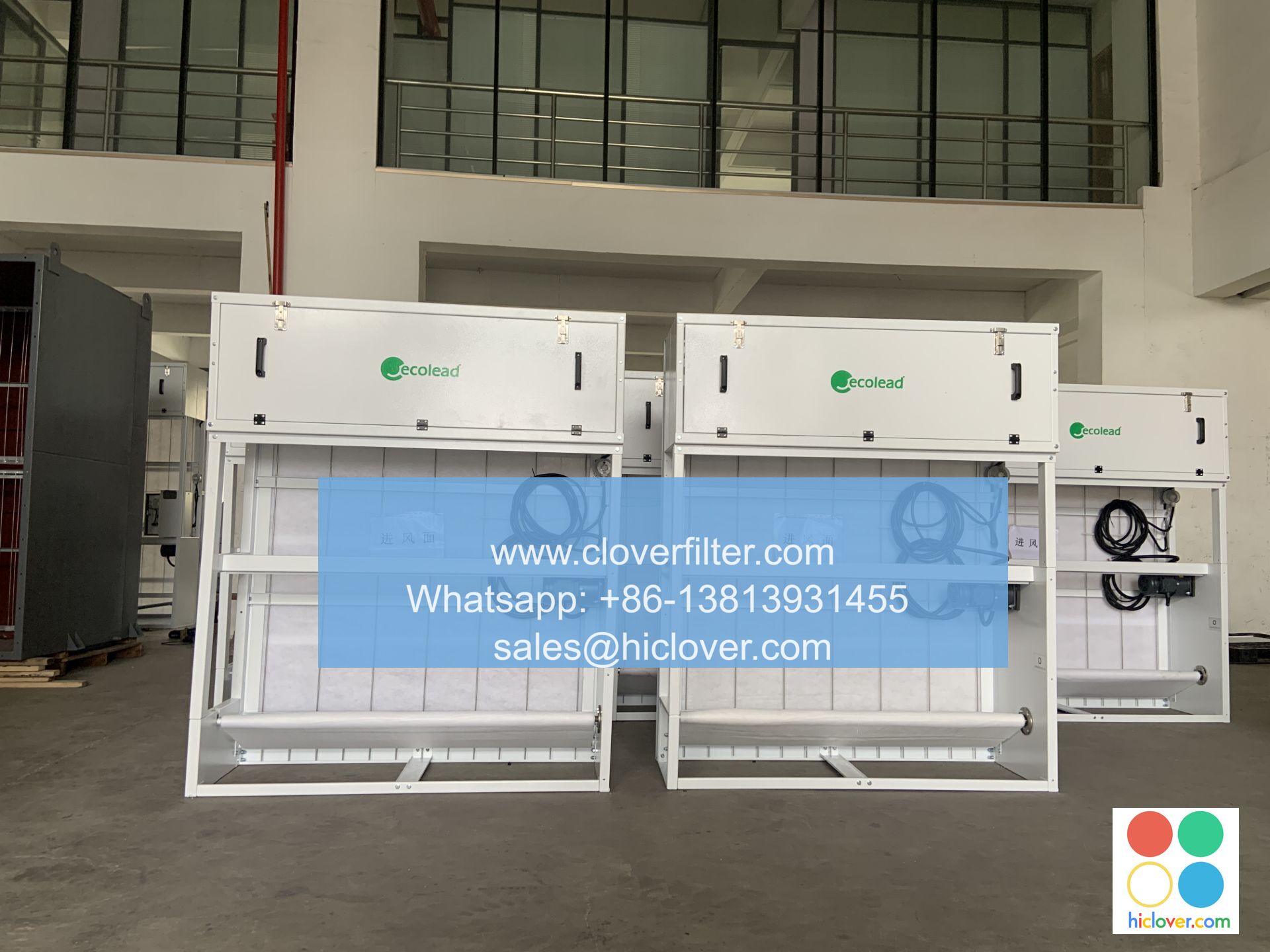
Air filtration plays a critical role in maintaining the efficiency and longevity of data centers and server rooms. These facilities house sensitive electronic equipment that can be severely affected by airborne contaminants. In this article, we will explore the significance of effective air filtration systems, various application areas, and how they contribute to operational reliability.
Why Air Filtration Matters

Data centers and server rooms generate substantial heat and require consistent cooling to ensure optimal performance. Airborne particles such as dust, pollen, and smoke can disrupt the temperature balance and lead to overheating. Here are several reasons why air filtration is essential:
- Protection Against Contaminants: Effective air filtration systems capture harmful particulates, thus preventing them from accumulating on hardware components.
- Enhanced Cooling Efficiency: By maintaining clean air, air filters can improve the efficiency of cooling systems, reducing the load on HVAC units.
- Increased Hardware Lifespan: Clean environments reduce the wear and tear on critical server components, extending their lifespan and minimizing replacement costs.
- Improved Reliability: With the right filtration system, data centers can avoid unexpected downtimes caused by equipment failure.
Types of Air Filtration Systems

Selecting the appropriate air filtration system is crucial for the unique needs of data centers. Below are some common types of air filtration:
1. HEPA Filters
High-Efficiency Particulate Air (HEPA) filters are designed to trap a wide range of particles, including dust, mold spores, and even bacteria. Their high efficiency makes them ideal for areas where delicate server equipment is located.
2. Electrostatic Filters
Electrostatic filters use charged particles to attract and capture airborne contaminants. They require less maintenance than traditional filters and can filter particulates as small as 0.1 microns.
3. Activated Carbon Filters
These filters are designed to absorb odors and gases, making them beneficial in environments where chemical fumes may be present. They work effectively in complementing HEPA and electrostatic filters.
Application Areas of Air Filtration
Apart from traditional data centers and server rooms, air filtration has significant applications in various sectors, enhancing performance and safety:
- Cloud Computing Facilities: With the rise of cloud computing, maintaining air quality in large-scale facilities has become even more crucial.
- Telecommunications Rooms: These areas require stringent air filtration to safeguard sensitive communication equipment.
- Healthcare IT Storage: Data centers supporting healthcare providers must adhere to strict regulations regarding air quality and contamination control.
- Research Laboratories: Laboratories often house sensitive equipment and require specialized air filtration systems to maintain the integrity of their studies.
Conclusion
In conclusion, effective air filtration is fundamental to the operational efficiency, reliability, and longevity of data centers and server rooms. As technology evolves and the demand for uninterrupted service grows, investing in advanced air filtration systems is essential. By mitigating the risks posed by airborne contaminants, operators can ensure that their facilities function optimally and meet the increasing demands of modern computing.
It seems like you might be looking for a writing prompt or an idea to get started on something specific! Could you clarify what type of prompt you need? For example, are you looking for a creative writing prompt, a journal entry idea, or something else entirely?
