The Importance of Air Filtration in Educational Settings
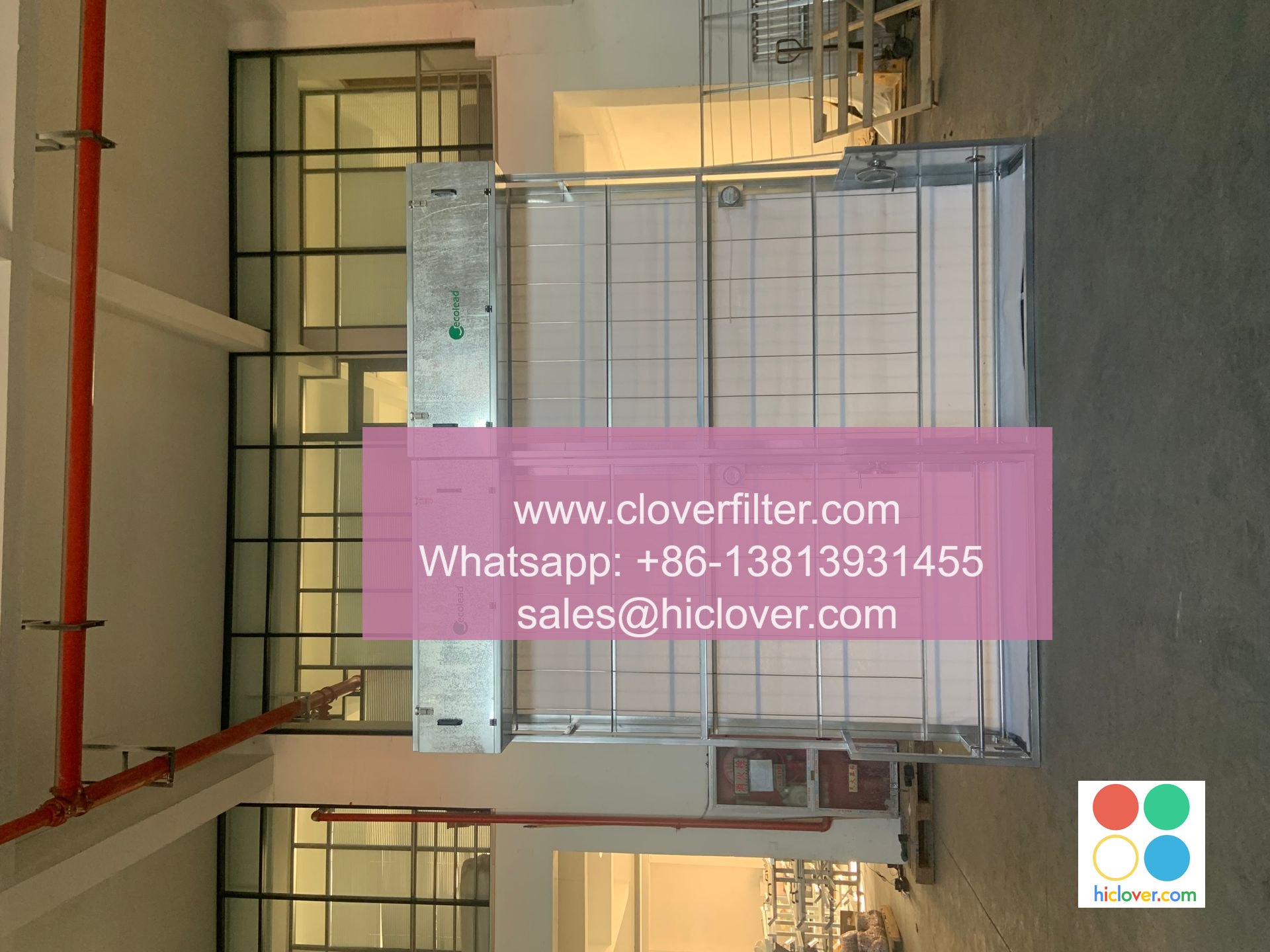
As we continue to navigate the complexities of modern education, it’s becoming increasingly clear that indoor air quality (IAQ) plays a crucial role in the health, comfort, and productivity of students and staff alike. In fact, air purification systems are no longer a luxury, but a necessity in educational settings. In this article, we’ll explore the significance of air filtration in schools and its far-reaching implications for academic performance, student health, and facility management.
Why Air Filtration Matters in Schools
Educational institutions are inherently prone to poor indoor air quality due to factors like crowding, inadequate ventilation, and high occupancy rates. This can lead to a buildup of air pollutants, including particulate matter (PM), volatile organic compounds (VOCs), and microorganisms like bacteria and viruses. By implementing effective air filtration systems, schools can significantly reduce the concentration of these pollutants, creating a healthier and more comfortable learning environment.
Benefits of Air Filtration in Educational Settings
The advantages of air filtration in schools are multifaceted and can have a profound impact on various aspects of educational operations. Some of the key benefits include:
* Improved student health: By removing airborne pathogens and allergens, air filtration systems can help reduce the incidence of respiratory problems, asthma, and other health issues.
* Enhanced academic performance: A comfortable and healthy learning environment can improve student focus, concentration, and overall academic achievement.
* Increased attendance: By minimizing the spread of illnesses and infections, air filtration systems can help reduce student absenteeism and improve overall attendance rates.
* Reduced facility maintenance: Effective air filtration can help prevent dust and particulate buildup on surfaces, reducing the need for frequent cleaning and maintenance.
Application Areas for Air Filtration in Educational Settings
Air filtration systems can be applied in various areas of educational institutions, including:
* Classrooms: Installing portable air purifiers or central air filtration systems can help improve indoor air quality and reduce the concentration of air pollutants.
* Administrative offices: Air filtration systems can help create a healthy and comfortable working environment for staff and administrators.
* Gymnasiums and athletic facilities: Air filtration systems can help reduce the buildup of moisture and odors, improving the overall indoor air quality and reducing the risk of infections.
* Cafeterias and food service areas: Effective air filtration can help minimize the spread of foodborne illnesses and improve the overall indoor air quality in these areas.

Best Practices for Implementing Air Filtration in Educational Settings
To ensure the effective implementation of air filtration systems in educational institutions, consider the following best practices:
* Conduct an indoor air quality assessment to identify areas of concern and determine the most effective air filtration strategies.
* Choose the right air filtration technology for your specific needs, considering factors like filter efficiency, airflow rate, and maintenance requirements.
* Regularly maintain and replace filters to ensure optimal performance and prevent the buildup of pollutants.
* Monitor indoor air quality regularly to ensure the effectiveness of your air filtration system and make adjustments as needed.
In conclusion, air filtration in educational settings is a critical component of creating a healthy, comfortable, and productive learning environment. By understanding the importance of indoor air quality and implementing effective air filtration systems, educational institutions can improve student health, academic performance, and overall facility management. As we continue to navigate the complexities of modern education, it’s essential that we prioritize the health and well-being of our students and staff by investing in robust air filtration technologies. It looks like you’re ready to start a conversation, but you haven’t given me a specific prompt to respond to. No worries, I’m here to help! What’s on your mind? Would you like to:
1. Ask a question on a particular topic?
2. Discuss a hobby or interest?
3. Play a game or engage in a fun activity?
4. Talk about a current event or news story?
5. Explore a creative idea or writing prompt?
Let me know, and I’ll do my best to assist you!
