The Importance of Air Filtration in Food Processing and Manufacturing
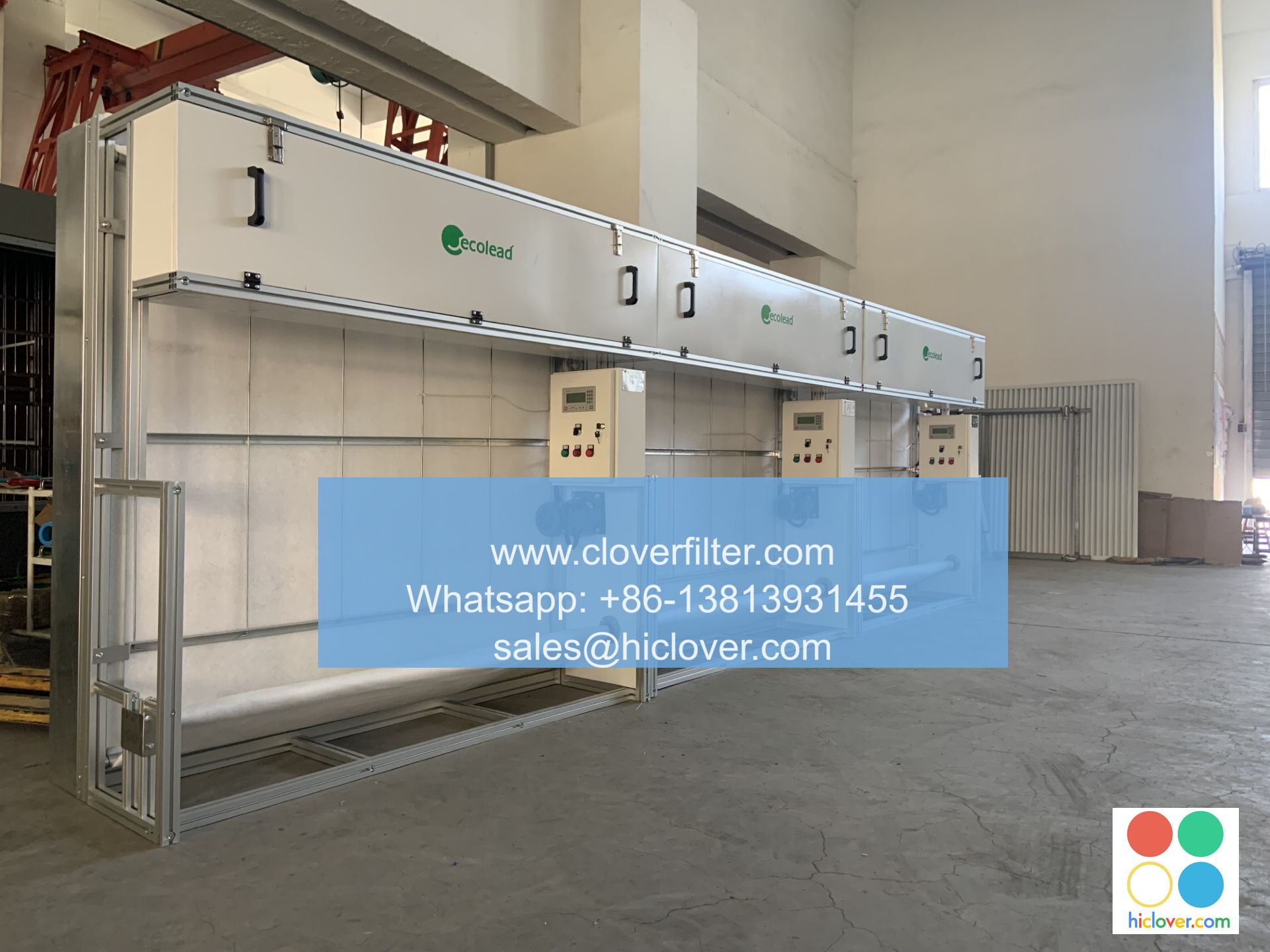
Air filtration is a crucial aspect of food processing and manufacturing, playing a vital role in ensuring the quality, safety, and consistency of food products. In this article, we will delve into the significance of air filtration in the food industry, highlighting its applications, benefits, and key considerations.
Food Safety and Quality Control
Air filtration is essential for maintaining a clean and hygienic environment in food processing and manufacturing facilities. The air in these facilities can contain airborne contaminants, such as dust, pollen, and microorganisms, which can compromise the quality and safety of food products. Effective air filtration systems can remove these contaminants, reducing the risk of contamination and spoilage. This is particularly important in high-risk areas, such as meat processing, dairy production, and bakery facilities, where the presence of airborne pathogens can have serious consequences.
Regulatory Compliance and Standards
The food industry is subject to stringent regulations and standards, including HACCP (Hazard Analysis and Critical Control Points) and FSMA (Food Safety Modernization Act). Air filtration systems can help food manufacturers comply with these regulations by providing a clean and controlled environment for food processing and packaging. Additionally, air filtration systems can be designed to meet specific ISO 22000 and BRC (British Retail Consortium) standards, ensuring that food products meet the required safety and quality standards.
Application Areas
Air filtration systems are used in various application areas, including:
* Bakery and confectionery: to remove flour dust, sugar particles, and other airborne contaminants
* Meat processing and poultry: to eliminate airborne pathogens, such as Salmonella and Escherichia coli
* Dairy production and packaging: to remove airborne contaminants, such as dust and bacteria, and maintain a clean and hygienic environment
* Fruit and vegetable processing: to remove airborne contaminants, such as pollen and fungal spores, and maintain a clean and controlled environment

Benefits of Air Filtration
The benefits of air filtration in food processing and manufacturing are numerous, including:
* Improved product quality and safety: by removing airborne contaminants and maintaining a clean and hygienic environment
* Reduced risk of contamination and spoilage: by eliminating airborne pathogens and other contaminants
* Increased efficiency and productivity: by reducing downtime and maintaining a clean and controlled environment
* Compliance with regulations and standards: by providing a clean and controlled environment for food processing and packaging
Considerations and Best Practices
When selecting and implementing an air filtration system, food manufacturers should consider the following:
* Filter efficiency and effectiveness: choosing the right filter type and efficiency for the specific application
*
* Airflow and ventilation: ensuring adequate airflow and ventilation to maintain a clean and controlled environment
* Integration with existing systems: integrating air filtration systems with existing HVAC and ventilation systems
In conclusion, air filtration is a critical component of food processing and manufacturing, playing a vital role in ensuring the quality, safety, and consistency of food products. By understanding the importance of air filtration and implementing effective air filtration systems, food manufacturers can improve product quality and safety, reduce the risk of contamination and spoilage, and maintain compliance with regulations and standards. It looks like you didn’t provide a prompt. Please go ahead and give me something to work with, and I’ll do my best to assist you!
