The Importance of Air Filtration in Maritime Environments
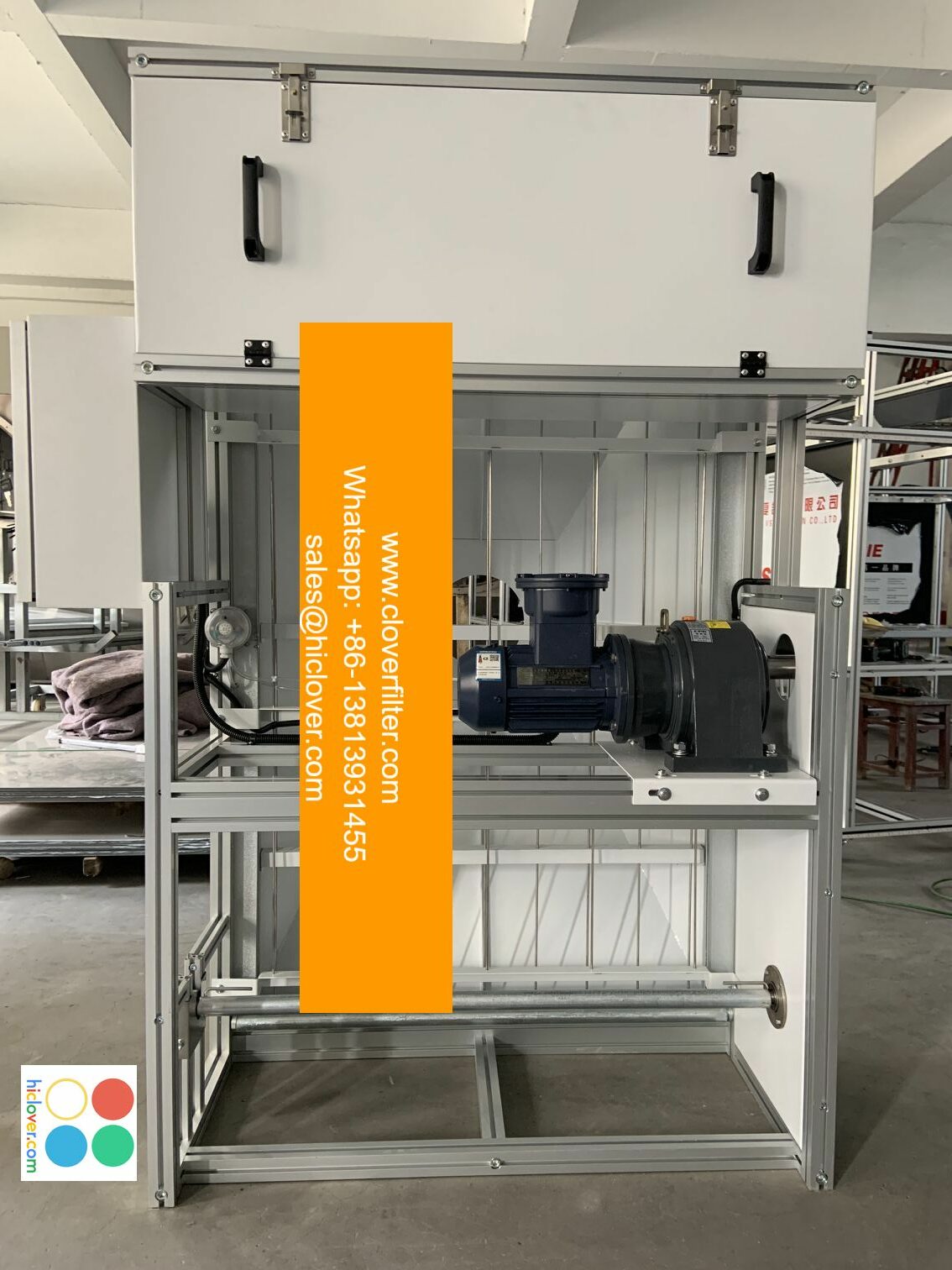
Air quality plays a crucial role in maintaining the health and safety of individuals and operations in various maritime settings. From marine vessels to offshore facilities, effective air filtration systems ensure that the air is free from harmful pollutants, enhancing both environmental sustainability and worker well-being.

Key Applications of Air Filtration in Maritime Settings
1. Marine Vessels
Onboard ships and boats, air filtration systems are essential in maintaining a healthy living environment for the crew and passengers. Marine vessels often face challenges such as:
- Engine Emissions: Engines produce exhaust gases that can lead to poor indoor air quality.
- Humidity Control: High humidity levels can foster the growth of mold and mildew, which can be harmful to health.
- Particulate Matter: Dust and other particles can accumulate and affect respiratory health.

Robust air filtration systems equipped with HEPA filters and activated carbon filters help in mitigating these issues, creating a more comfortable and safe environment for seafarers.
2. Ports and Harbors
Air quality at ports and harbors is profoundly impacted by the continuous activity of ships, cargo handling, and vehicle emissions. Air filtration is critical here for several reasons:
- Pollution Control: Filtering airborne pollutants can significantly reduce environmental impact.
- Health Risks: Workers and residents near port areas are at risk due to poor air quality, making effective filtration systems essential.
- Regulatory Compliance: Many regions impose strict regulations on air quality, requiring ports to implement advanced filtration solutions.
3. Offshore Oil and Gas Platforms
On offshore oil and gas platforms, air quality can directly affect operational safety and personnel health. With a range of combustion activities and potential leaks, reliable air filtration systems are vital:
- Hazardous Gas Detection: Filtration systems can remove harmful gases before they enter living quarters.
- Ventilation Systems: Integrating air filters with ventilation systems can combat the buildup of toxic fumes.
- Worker Safety: Providing clean air improves worker morale and safety compliance.
Benefits of Effective Air Filtration
Investing in proper air filtration technology in maritime environments delivers numerous benefits:
- Enhanced Air Quality: Reduces health risks and enhances overall air quality.
- Increased Equipment Longevity: Prevents the accumulation of debris and contaminants in machinery.
- Cost-Effectiveness: Reduces healthcare costs and minimizes operational disruptions.
Conclusion
In conclusion, air filtration is a crucial component in ensuring safety and health in various maritime environments. From marine vessels to offshore platforms, investing in advanced air filtration solutions is essential for not just regulatory compliance, but also for promoting worker safety and environmental sustainability. As maritime industries evolve, prioritizing air quality through effective filtration systems will continue to play a vital role in fostering a safe andhealthy working environment.
Of course! What kind of prompt are you looking for? It could be for writing, art, a discussion topic, or something else entirely. Let me know how I can help!
