The Importance of Air Filtration in Preventing Laboratory-Acquired Infections
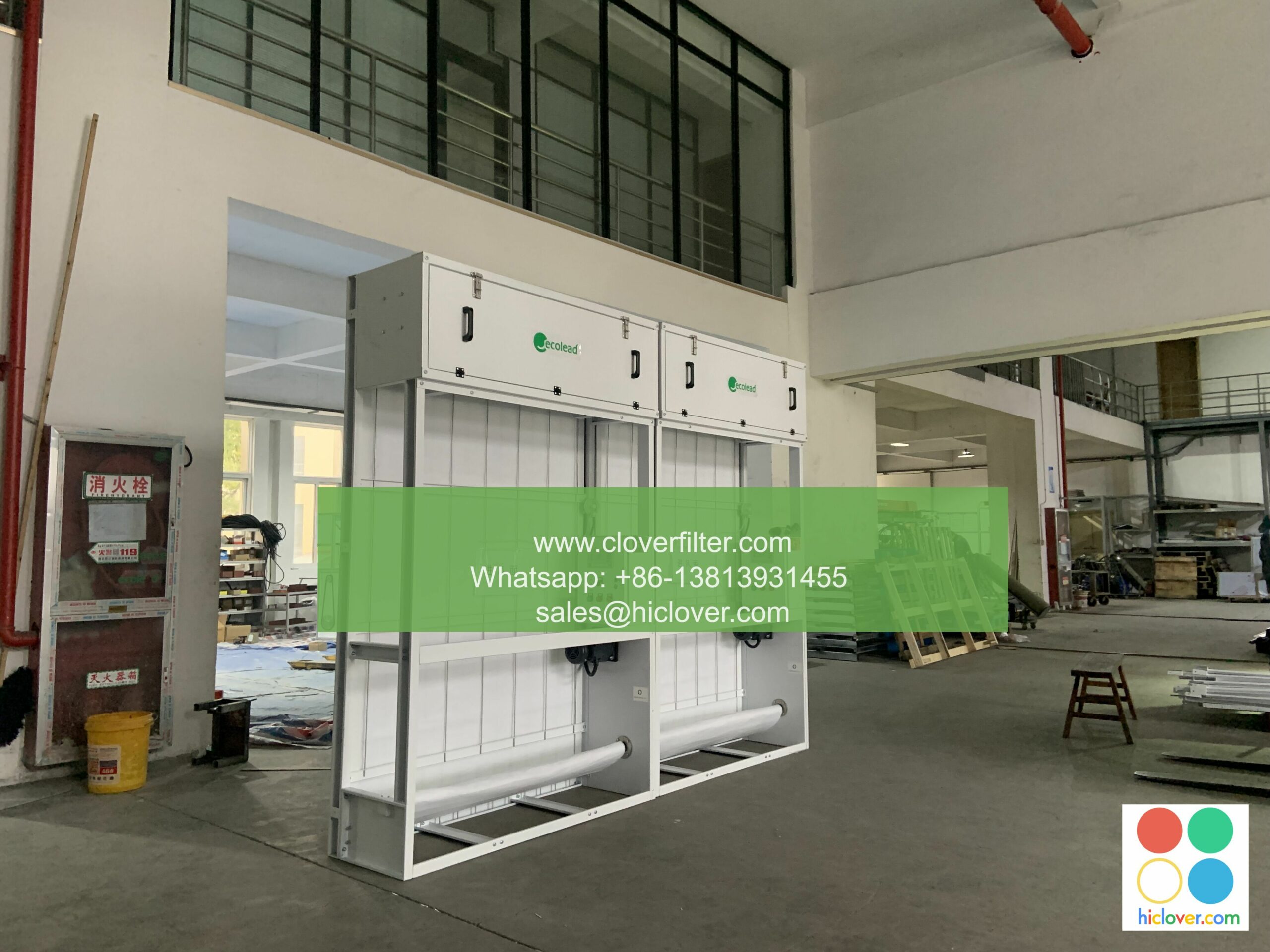
Laboratory-acquired infections (LAIs) are a significant concern in medical and research settings, posing a threat to the health and safety of laboratory personnel, patients, and the general public. According to the Centers for Disease Control and Prevention (CDC), LAIs can be caused by a variety of factors, including exposure to airborne pathogens, contaminated equipment, and poor Occupational Safety and Health Administration (OSHA) practices. In this article, we will discuss the importance of air filtration systems in preventing LAIs and highlight various application areas, including biological safety cabinets, HEPA filtration, and ventilation systems.
The Role of Airborne Pathogens in LAIs
Airborne pathogens, such as Mycobacterium tuberculosis, influenza virus, and norovirus, can be easily transmitted through the air, making them a significant concern in laboratory settings. These pathogens can be present in bioaerosols, which are airborne particles that contain microorganisms. Bioaerosols can be generated through various means, including nebulization, sonication, and centrifugation. To prevent the transmission of airborne pathogens, it is essential to implement effective airborne infection control measures, including the use of air filtration systems.
Types of Air Filtration Systems
There are several types of air filtration systems that can be used to prevent LAIs, including:
* HEPA (High Efficiency Particulate Air) filters: These filters are capable of capturing 99.97% of particles as small as 0.3 microns, making them highly effective against airborne pathogens.
* ULPA (Ultra Low Penetration Air) filters: These filters are capable of capturing 99.999% of particles as small as 0.1 microns, making them even more effective than HEPA filters.
* Activated carbon filters: These filters are capable of capturing gases and vapors, making them effective against chemical and biological agents.
Application Areas for Air Filtration Systems
Air filtration systems have various application areas in laboratory settings, including:
* Biological safety cabinets: These cabinets are designed to provide a safe working environment for laboratory personnel and are equipped with air filtration systems to prevent the escape of airborne pathogens.
* VENTILATION systems: These systems are designed to provide a safe and healthy working environment by removing airborne contaminants and providing a constant flow of clean air.
* Clean rooms: These rooms are designed to provide a controlled environment with minimal airborne contamination and are equipped with air filtration systems to maintain a high level of air quality.
* Isolation rooms: These rooms are designed to provide a safe environment for patients with infectious diseases and are equipped with air filtration systems to prevent the transmission of airborne pathogens.

Benefits of Air Filtration Systems
The benefits of air filtration systems in preventing LAIs include:
* Reduced risk of infection: Air filtration systems can significantly reduce the risk of infection by removing airborne pathogens from the air.
* Improved air quality: Air filtration systems can improve air quality by removing airborne contaminants and providing a constant flow of clean air.
* Increased safety: Air filtration systems can increase safety by preventing the escape of airborne pathogens and providing a safe working environment for laboratory personnel.
* Reduced costs: Air filtration systems can reduce costs by preventing the spread of airborne pathogens and reducing the need for costly treatments and medications.
Conclusion
In conclusion, air filtration systems play a critical role in preventing laboratory-acquired infections. By providing a safe and healthy working environment, air filtration systems can reduce the risk of infection, improve air quality, increase safety, and reduce costs. It is essential to implement effective airborne infection control measures, including the use of air filtration systems, to prevent the transmission of airborne pathogens in laboratory settings. By highlighting various application areas, including biological safety cabinets, HEPA filtration, and ventilation systems, we can better understand the importance of air filtration systems in preventing LAIs and promoting a safe and healthy working environment.
