The Importance of Air Filtration in Stanford’s Cleanrooms
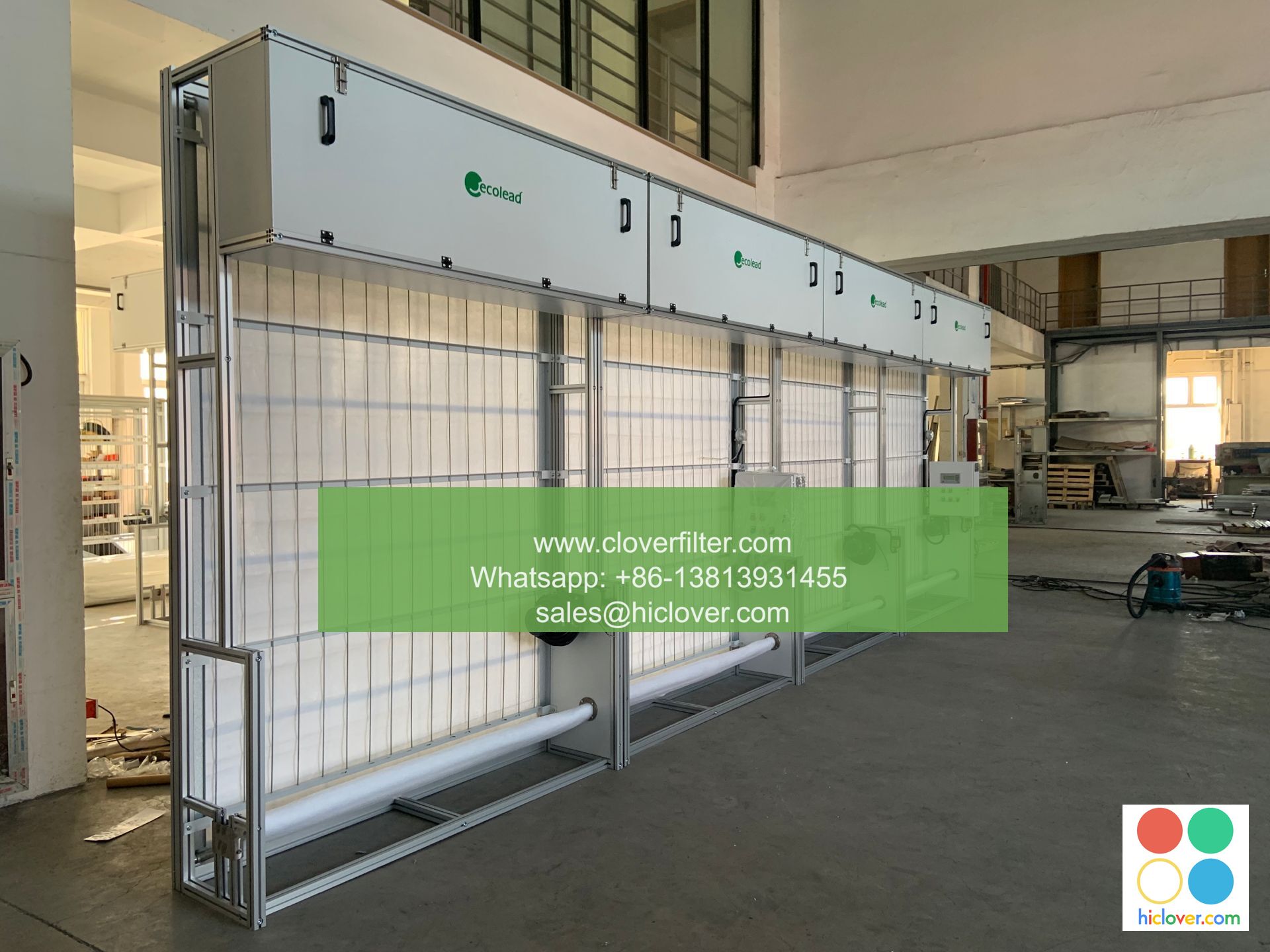
Stanford University is renowned for its cutting-edge research and development facilities, including its state-of-the-art cleanrooms. These controlled environments are designed to minimize contamination and ensure the integrity of sensitive experiments and manufacturing processes. A crucial aspect of maintaining the cleanliness and reliability of these spaces is the implementation of effective air filtration systems. In this article, we will explore the significance of air filtration in Stanford’s cleanrooms, highlighting its critical role in maintaining ultra-clean conditions and supporting innovative research and technological advancements.
##
Minimizing Contamination Risks
Cleanrooms are designed to have a controlled environment with minimal particulate matter, gases, and microorganisms. Air filtration plays a vital role in achieving and maintaining these conditions by removing contaminants from the air. This prevents cross-contamination of sensitive equipment, samples, and experiments, which can have far-reaching consequences on research outcomes and product quality. Effective air filtration systems ensure that the air in Stanford’s cleanrooms meets the required standards for ISO 14644-1 and cGMP (current Good Manufacturing Practice) compliance.
##
Application Areas: Research and Development
Air filtration is essential in various application areas within Stanford’s cleanrooms, including:
* Nanotechnology research, where even the smallest particles can compromise experiment results
* Microelectronics manufacturing, where contamination can affect product yield and reliability
* Bioscience research, where maintaining ultra-clean conditions is crucial for cell culture, microbiology, and genome sequencing applications
* Photonics and optics research, where particle contamination can affect the performance of sensitive optical instruments
In these areas, high-efficiency particulate air (HEPA) filters and ultra-low penetration air (ULPA) filters are commonly used to remove 99.97% or more of particles as small as 0.3 microns from the air. This ensures that the air quality meets the stringent requirements for these applications.
##
Components of an Effective Air Filtration System
An effective air filtration system in Stanford’s cleanrooms consists of several key components, including:
* Pre-filters to remove larger particles and extend the lifespan of HEPA or ULPA filters
* HEPA or ULPA filters to remove sub-micron particles and contaminants
* Activated carbon filters to remove gases and odors
* Air handling units (AHUs) to manage air pressure, temperature, and humidity
Regular maintenance and replacement of these components are crucial to ensure the continued effectiveness of the air filtration system and the overall cleanliness of the cleanroom.
##

Conclusion
In conclusion, air filtration is a critical component of Stanford’s cleanrooms, playing a vital role in maintaining ultra-clean conditions and supporting innovative research and technological advancements. By understanding the importance of air filtration and implementing effective systems, researchers and manufacturers can minimize contamination risks, ensure compliance with regulatory standards, and achieve reliable results in their experiments and manufacturing processes. As research and technology continue to evolve, the significance of air filtration in cleanrooms will only continue to grow, making it an essential aspect of Stanford’s cutting-edge facilities.
