The Importance of Air Filtration in Sterile Operating Environments
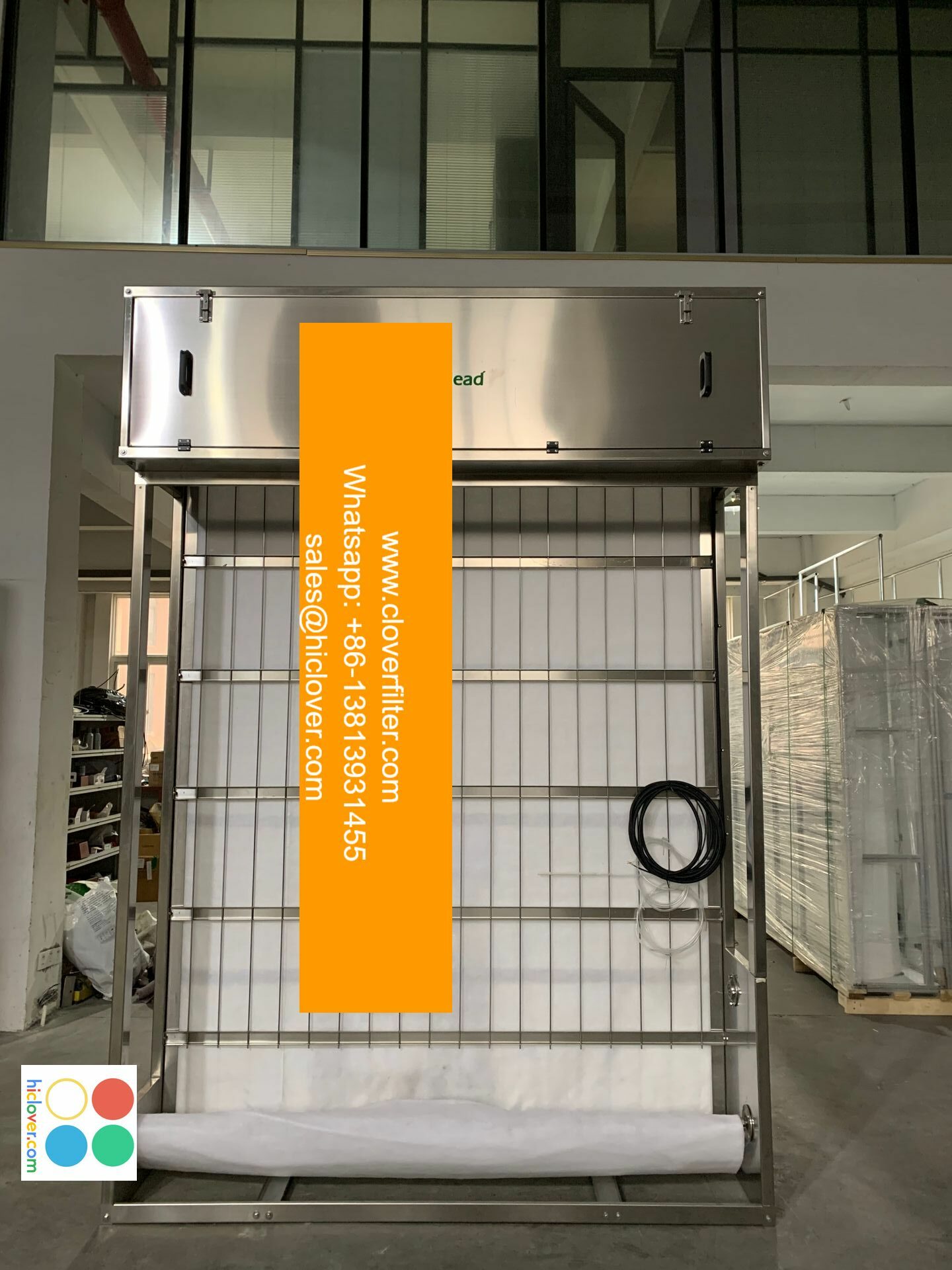
Air filtration plays a critical role in maintaining sterile operating environments, particularly in hospital operating rooms, laboratories, and pharmaceutical manufacturing facilities. The primary goal of air filtration in these settings is to remove airborne contaminants, such as bacteria, virus particles, and other microorganisms, to prevent infections and ensure a safe working environment for patients, healthcare professionals, and researchers.
Key Applications of Air Filtration in Sterile Environments
Air filtration systems are used in various application areas, including:
* Hospital Operating Rooms: to prevent surgical site infections and maintain a sterile environment during surgical procedures
* Laboratories: to prevent contamination of samples and equipment, and to ensure accurate test results
* Pharmaceutical Manufacturing Facilities: to prevent contamination of drugs and active pharmaceutical ingredients, and to ensure product quality
* Biotechnology Research Facilities: to prevent contamination of cell cultures and biological samples, and to ensure reliable research results
Types of Air Filtration Systems
There are several types of air filtration systems used in sterile operating environments, including:
* HEPA (High Efficiency Particulate Air) Filters: capable of removing 99.97% of particles as small as 0.3 microns
* ULPA (Ultra Low Penetration Air) Filters: capable of removing 99.999% of particles as small as 0.1 microns
* Activated Carbon Filters: effective against gases and odors
* UV (Ultraviolet) Air Purifiers: effective against bacteria and virus particles
Benefits of Air Filtration in Sterile Environments
The benefits of air filtration in sterile operating environments include:
* Reduced risk of infections
* Improved product quality
* Increased patient safety
* Enhanced researcher safety
* Reduced costs associated with contamination and rework

Conclusion
In conclusion, air filtration plays a critical role in maintaining sterile operating environments in various application areas. The use of HEPA filters, ULPA filters, activated carbon filters, and UV air purifiers can help remove airborne contaminants and prevent infections. By understanding the importance of air filtration and implementing effective air filtration systems, healthcare professionals, researchers, and pharmaceutical manufacturers can ensure a safe working environment and maintain product quality.
