The Importance of Air Filtration in Sterile Processing: A Novartis Perspective
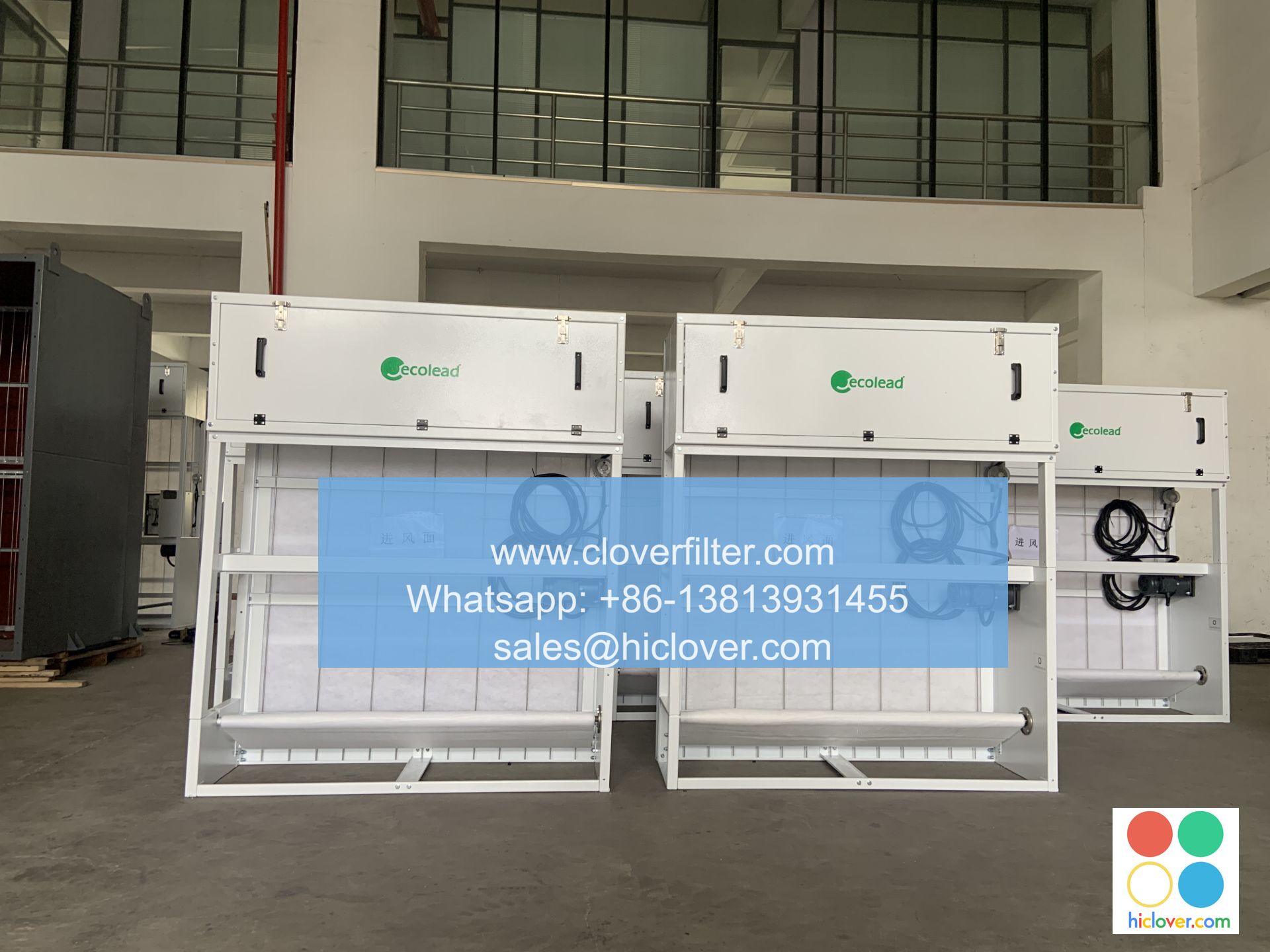
As a leading global healthcare company, Novartis understands the critical role that air filtration plays in sterile processing. Air filtration systems are essential for maintaining a controlled environment in sterile processing areas, where the quality of the air can have a direct impact on the integrity of pharmaceutical products. In this article, we will explore the importance of air filtration in sterile processing from a Novartis perspective, highlighting various application areas and the benefits of advanced air filtration technology.
Introduction to Sterile Processing
Sterile processing involves the cleaning, sterilization, and packaging of medical instruments and equipment to prevent contamination and ensure patient safety. In healthcare facilities, sterile processing is critical for maintaining a sterile environment and preventing the spread of infections. At Novartis, we recognize the importance of sterile processing in ensuring the quality and safety of our pharmaceutical products.
Air Filtration in Sterile Processing: A Critical Component
Air filtration is a critical component of sterile processing, as it helps to remove airborne contaminants such as bacteria, viruses, and other microorganisms that can compromise the sterility of medical instruments and equipment. High-efficiency particulate air (HEPA) filters are commonly used in sterile processing areas to capture 99.97% of particles as small as 0.3 microns, ensuring that the air is clean and sterile.
Application Areas for Air Filtration in Sterile Processing
At Novartis, we have identified several application areas where air filtration is critical for sterile processing, including:
* Operating rooms: Air filtration systems help to maintain a sterile environment during surgical procedures, reducing the risk of infection and promoting patient safety.
* Pharmaceutical manufacturing: Air filtration systems help to maintain a controlled environment in pharmaceutical manufacturing facilities, ensuring the quality and safety of our products.
* Medical device manufacturing: Air filtration systems help to maintain a sterile environment during the manufacture of medical devices, reducing the risk of contamination and promoting patient safety.

Benefits of Advanced Air Filtration Technology
At Novartis, we have implemented advanced air filtration technology in our sterile processing areas, which has provided several benefits, including:
* Improved air quality: Advanced air filtration systems help to remove airborne contaminants, ensuring that the air is clean and sterile.
* Increased efficiency: Advanced air filtration systems help to reduce the risk of contamination, increasing the efficiency of our sterile processing operations.
* Enhanced patient safety: Advanced air filtration systems help to promote patient safety by reducing the risk of infection and contamination.
Conclusion
In conclusion, air filtration is a critical component of sterile processing, and Novartis recognizes the importance of advanced air filtration technology in maintaining a controlled environment and ensuring the quality and safety of our pharmaceutical products. By highlighting various application areas and the benefits of advanced air filtration technology, we hope to emphasize the importance of air filtration in sterile processing and promote the adoption of best practices in the industry.
