The Importance of Air Filtration in Vaughan’s Cold Chain Logistics Warehouses
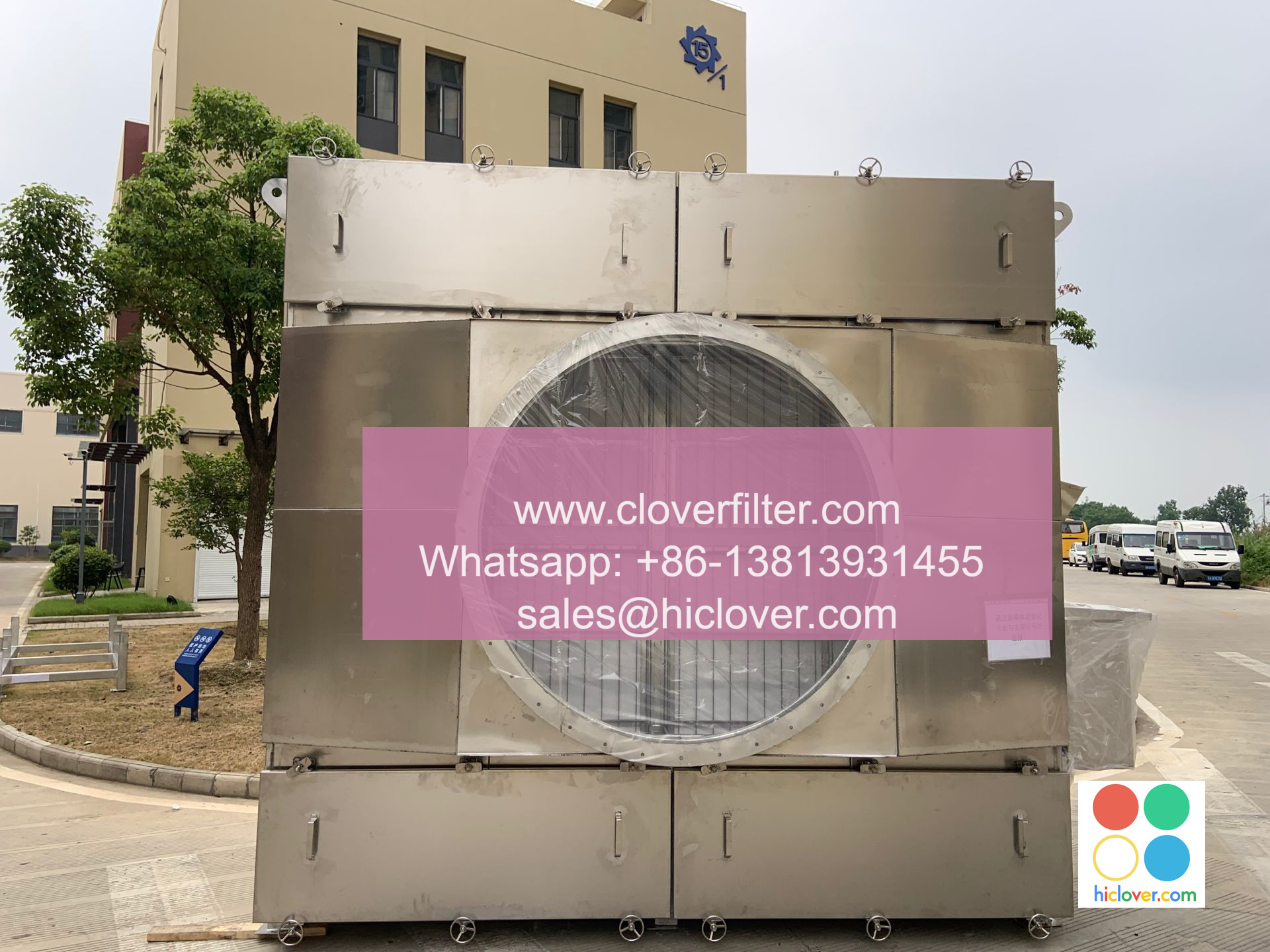
Maintaining a consistent and temperature-controlled environment is crucial for cold chain logistics warehouses in Vaughan, where perishable goods such as food, pharmaceuticals, and beverages are stored. One critical aspect of achieving this controlled environment is the implementation of effective air filtration systems. In this article, we will discuss the importance of air filtration in Vaughan’s cold chain logistics warehouses, highlighting various application areas and key considerations for warehouse operators.
Reduction of Contaminants and Particulates
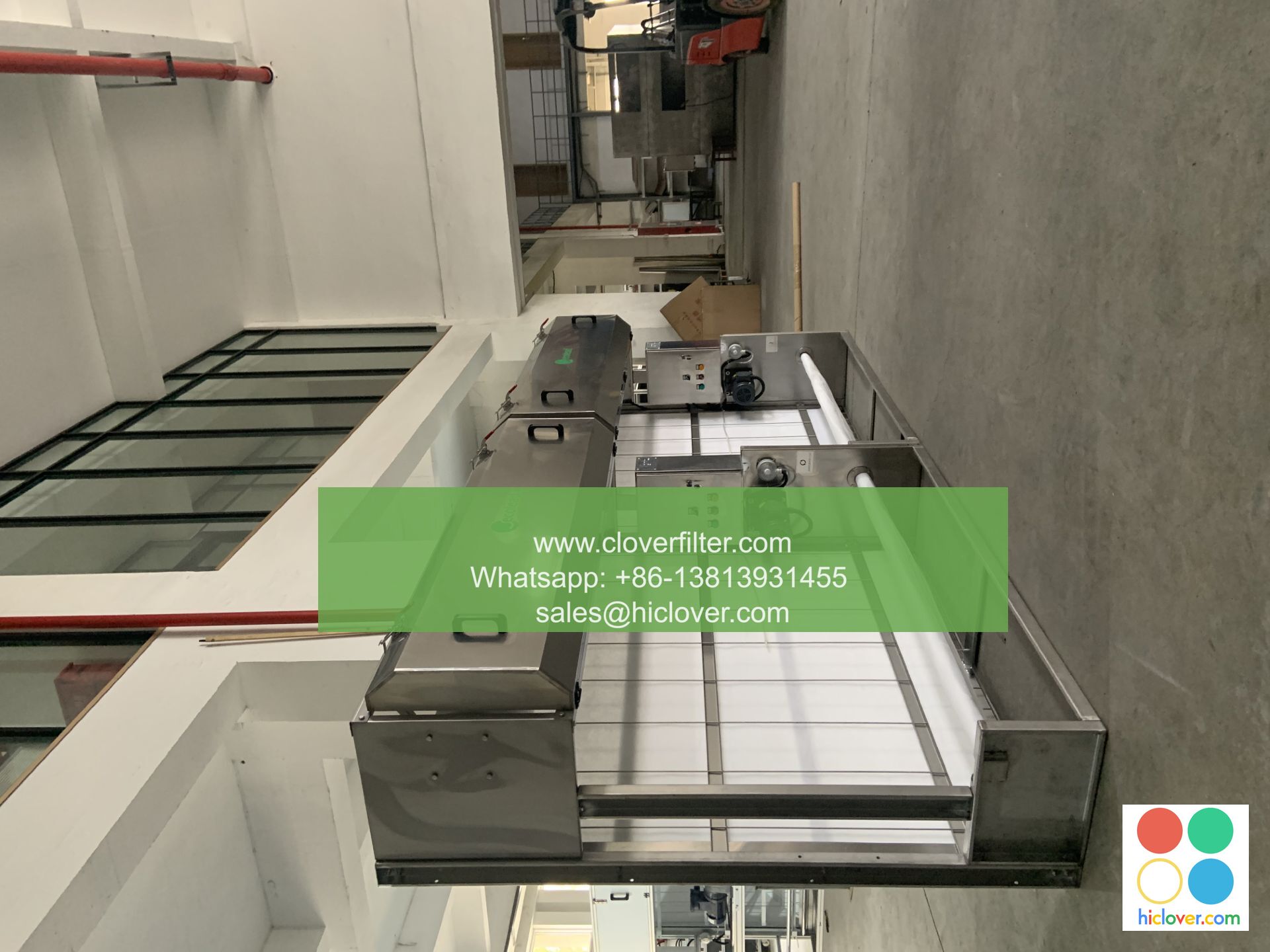
Cold chain logistics warehouses in Vaughan require a high level of air quality to prevent contamination and spoilage of sensitive products. Air filtration systems play a vital role in removing particulates, dust, and microorganisms from the air, which can compromise the quality and safety of stored goods. By installing HEPA filters or ultra-low penetration air (ULPA) filters, warehouse operators can ensure that the air is clean and free from contaminants, reducing the risk of product damage and food safety issues.
Prevention of Moisture and Humidity
Vaughan’s cold chain logistics warehouses are often exposed to humid environments, which can lead to moisture accumulation and condensation issues. Effective air filtration systems can help to regulate humidity levels and prevent moisture from entering the warehouse, reducing the risk of mold growth, rust, and corrosion. By maintaining a stable relative humidity (RH) level, warehouse operators can ensure that their products remain fresh and intact throughout the storage period.
Enhanced Product Shelf Life and Quality
The implementation of air filtration systems in cold chain logistics warehouses can have a significant impact on product shelf life and quality. By removing oxidizing agents and volatile organic compounds (VOCs) from the air, warehouse operators can slow down the degradation process of perishable goods, resulting in longer shelf life and improved product quality. This is particularly important for temperature-sensitive products such as pharmaceuticals, vaccines, and biologics, where strict temperature control is required to maintain their potency and efficacy.
Compliance with Regulatory Requirements
Cold chain logistics warehouses in Vaughan must comply with stringent regulatory requirements set by organizations such as the Canadian Food Inspection Agency (CFIA) and the US Food and Drug Administration (FDA). Effective air filtration systems can help warehouse operators meet these requirements by providing a clean and controlled environment for storing and handling perishable goods. By implementing air filtration systems that meet or exceed regulatory standards, warehouse operators can demonstrate their commitment to food safety and quality, reducing the risk of non-compliance and regulatory penalties.
Application Areas for Air Filtration Systems
Air filtration systems can be applied in various areas of cold chain logistics warehouses, including:
* Receiving and shipping areas: to prevent contaminants from entering the warehouse and to maintain a clean environment for loading and unloading products.
* Storage areas: to maintain a consistent and controlled environment for storing perishable goods.
* Processing and packaging areas: to prevent contamination and maintain a clean environment for processing and packaging products.
* Freezer and refrigeration areas: to maintain a stable and controlled environment for storing temperature-sensitive products.
In conclusion, effective air filtration systems are essential for maintaining a clean, controlled, and consistent environment in cold chain logistics warehouses in Vaughan. By reducing contaminants and particulates, preventing moisture and humidity, enhancing product shelf life and quality, and ensuring compliance with regulatory requirements, air filtration systems play a critical role in the safe and efficient storage and handling of perishable goods. Warehouse operators should consider the application areas and key considerations for air filtration systems to ensure that their facilities meet the highest standards of food safety and quality.
