The Importance of Air Quality: A Deep Dive into Air Filter Technology
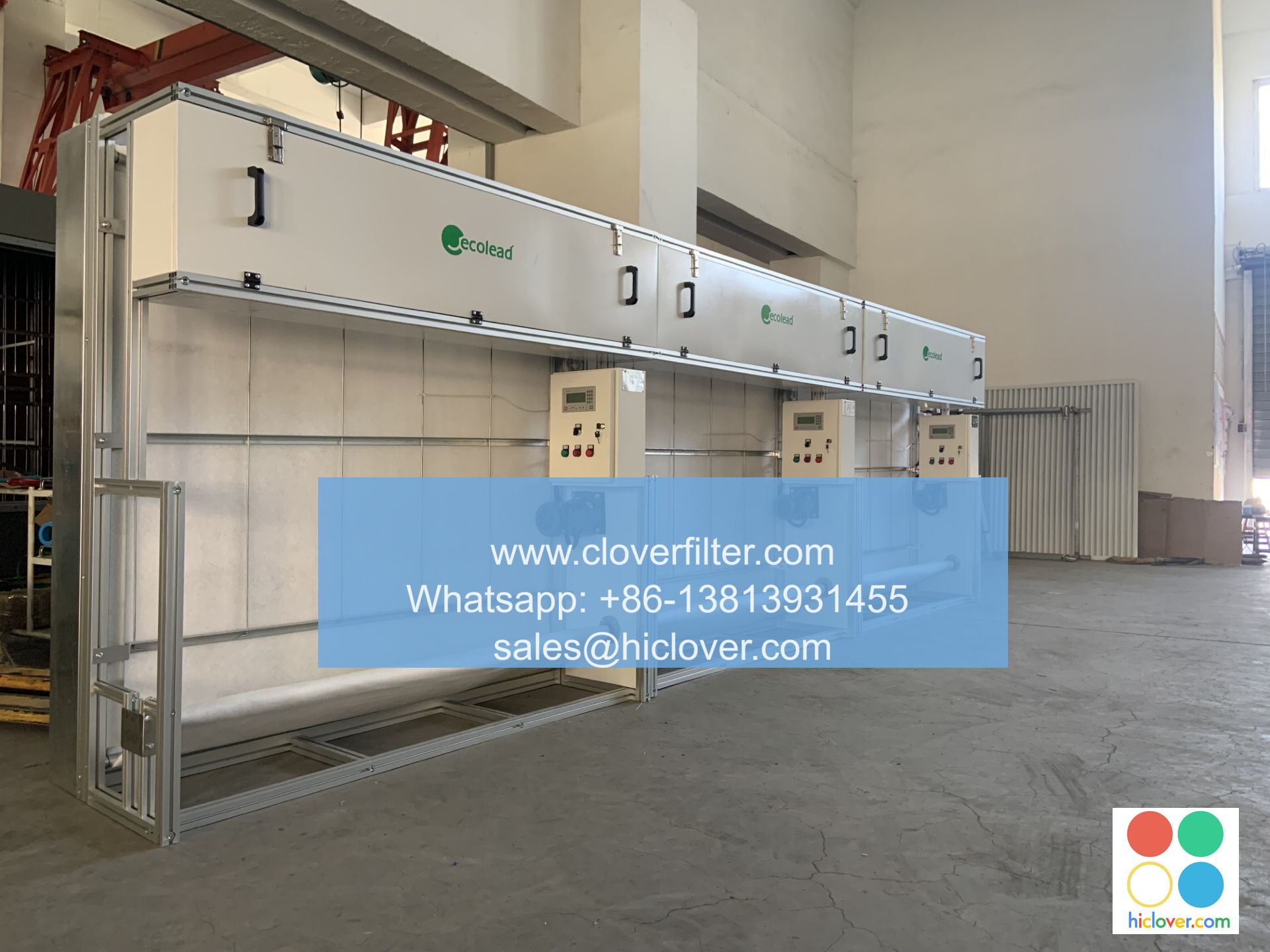
Air quality is a crucial aspect of environmental health that affects millions of people worldwide. Poor air quality is linked to various health issues, including respiratory problems, cardiovascular diseases, and decreased overall well-being. To combat these challenges, air filter technology has become increasingly important in multiple areas of our daily lives.
Understanding Air Quality

Air quality is determined by the presence of pollutants, allergens, and harmful particles suspended in the atmosphere. Some common pollutants include:
- Particulate Matter (PM2.5 and PM10)
- Volatile Organic Compounds (VOCs)
- Nitrogen Dioxide (NO2)
- Sulfur Dioxide (SO2)
Monitoring and improving air quality is vital not only for human health but also for the environment. This necessity drives innovation in air filtration technology.

The Role of Air Filter Technology
Air filters are designed to trap harmful particles and pollutants, thus improving indoor and outdoor air quality. With advancements in filtration technology, a variety of air filters are available for different application areas:
1. Residential Applications
Home air filters can significantly reduce allergens such as pet dander, dust mites, and pollen. HEPA (High-Efficiency Particulate Air) filters are renowned for their ability to capture 99.97% of particles as small as 0.3 microns, making them a popular choice for residential HVAC systems.
2. Commercial Spaces
In commercial settings, air quality affects employee productivity and health. Businesses are increasingly installing advanced air filtration systems to eliminate airborne pollutants. Electrostatic filters and activated carbon filters are commonly used to neutralize odors and chemicals in office environments.
3. Industrial Applications
Industries such as manufacturing and construction often generate airborne contaminants. Industrial air filters are designed to handle high volumes and can include cyclone filters and baghouse filters to collect dust and fumes effectively, ensuring compliance with occupational health regulations.
4. Automotive and Transportation
With growing concerns about air pollution in urban areas, auto manufacturers are incorporating air filtration systems in vehicles to protect occupants. Cabin air filters, often made from activated carbon, serve to filter out harmful particles and enhance passenger comfort during travel.
5. Healthcare Facilities
In hospitals and clinics, maintaining optimal air quality is critical. Specialized air filtration systems, such as HEPA filters, are used to create sterile environments. These systems play a vital role in preventing the spread of infections and safeguarding patients’ health.
Benefits of Air Filters
The benefits of employing advanced air filter technology are vast:
- Health Improvements: By reducing allergens and pollutants, air filters can significantly lower instances of asthma and allergy-related symptoms.
- Increased Productivity: Improved air quality in workplaces leads to enhanced employee performance and cognitive function.
- Enhanced Comfort: Clean air contributes to a more pleasant indoor environment, promoting overall well-being.
- Environmental Protection: Effective air filters help minimize the release of harmful pollutants into the atmosphere, contributing to a healthier planet.
Conclusion
The importance of air quality cannot be overstated. Investing in advanced air filter technology is paramount across multiple application areas, from homes to healthcare facilities. As technology continues to advance, the potential to improve air quality and health outcomes will also grow, creating cleaner and safer environments for all.
It seems like you entered “Prompt,” but I need a bit more detail to assist you effectively. Could you please specify what you would like a prompt for? For example, are you looking for a writing prompt, a question to stimulate discussion, or something else entirely? Let me know how I can help!
