The Importance of Air Quality: Roll Filtration in Biocontainment Facilities
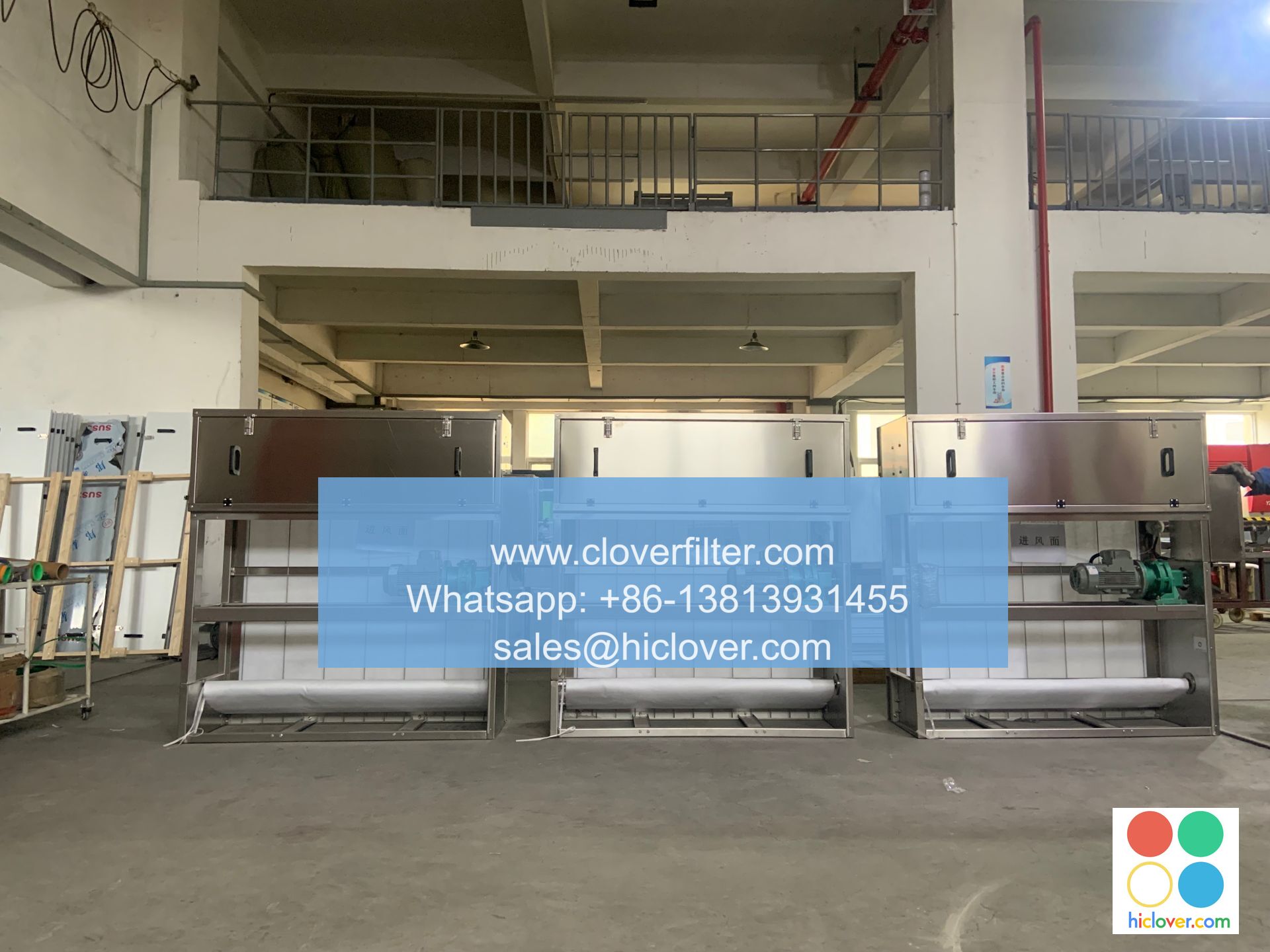
Understanding Air Quality in Biocontainment

Air quality is a critical concern in many industries, particularly in biocontainment facilities where the potential for exposure to hazardous pathogens is high. The proper management of air quality not only protects the health of laboratory personnel but also prevents contamination of the environment. This is where roll filtration comes into play.
What is Roll Filtration?
Roll filtration is a process that uses advanced filtration systems designed to remove particles, gases, and microorganisms from the air. These systems are essential in maintaining sterile environments in facilities handling infectious agents, whether they are focused on research, vaccine development, or bioengineering applications.
Key Units of Roll Filtration Systems

- HEPA Filters: High-Efficiency Particulate Air filters capture 99.97% of particles that are 0.3 microns or larger, ensuring that even the smallest pathogens are effectively filtered out.
- ULPA Filters: Ultra-Low Penetration Air filters offer even greater efficiency by trapping particles down to 0.1 microns, making them ideal for biocontainment settings.
- Activated Carbon Filters: These filters are effective at adsorbing gaseous contaminants, thus enhancing air quality by eliminating harmful fumes and odors.
Applications of Roll Filtration in Biocontainment
Roll filtration systems are employed across various sectors, including:
1. Research Laboratories
In research labs, maintaining a clean air environment is vital to ensure the integrity of studies and to protect researchers from airborne pathogens.
2. Pharmaceutical Manufacturing
In pharmaceutical settings, roll filtration is essential for protecting products from contamination during production, thus ensuring that medications meet safety standards.
3. Animal Research Facilities
These facilities often house animals that are susceptible to various airborne infections. Effective air filtration systems are critical to minimize health risks for both animals and humans.
4. Hospitals and Healthcare Settings
In hospitals, particularly in infectious disease control zones, roll filtration is crucial to preventing the spread of airborne pathogens among patients and healthcare workers.
Benefits of Implementing Roll Filtration
The advantages of employing advanced roll filtration systems in biocontainment facilities include:
- Enhanced Safety: Protects laboratory personnel from hazardous biological agents.
- Contamination Control: Reduces the risk of cross-contamination between different experiments or production lines.
- Regulatory Compliance: Helps facilities comply with stringent health and safety regulations.
- Improved Air Quality: Maintains optimal air conditions that promote efficient laboratory operations.
Conclusion
Air quality is of paramount importance in biocontainment facilities, where the stakes are high and the need for safety is absolute. Roll filtration technology provides an effective solution for maintaining clean air environments, protecting employees, and ensuring compliance with health regulations. By investing in advanced air filtration systems, biocontainment facilities can not only safeguard human health but also contribute to the advancement of research and development in biodiversity and health.
It looks like you entered “Prompt.” Could you provide more details or clarify what kind of prompt you are looking for? Whether it’s for writing, brainstorming ideas, or something else, I’m here to help!
