The Importance of Automatic Roll Air Filters in Data Center Cooling for Canadian Artificial Intelligence and Machine Learning Facilities

As Canada emerges as a significant player in the fields of artificial intelligence (AI) and machine learning (ML), the demand for data centers has grown exponentially. These facilities are crucial for storing, processing, and analyzing the massive amounts of data needed for AI applications. Given this context, maintaining optimal operating conditions within data centers has become paramount, particularly when it comes to cooling systems. Here, the role of automatic roll air filters cannot be overstated.
The Role of Cooling in Data Centers
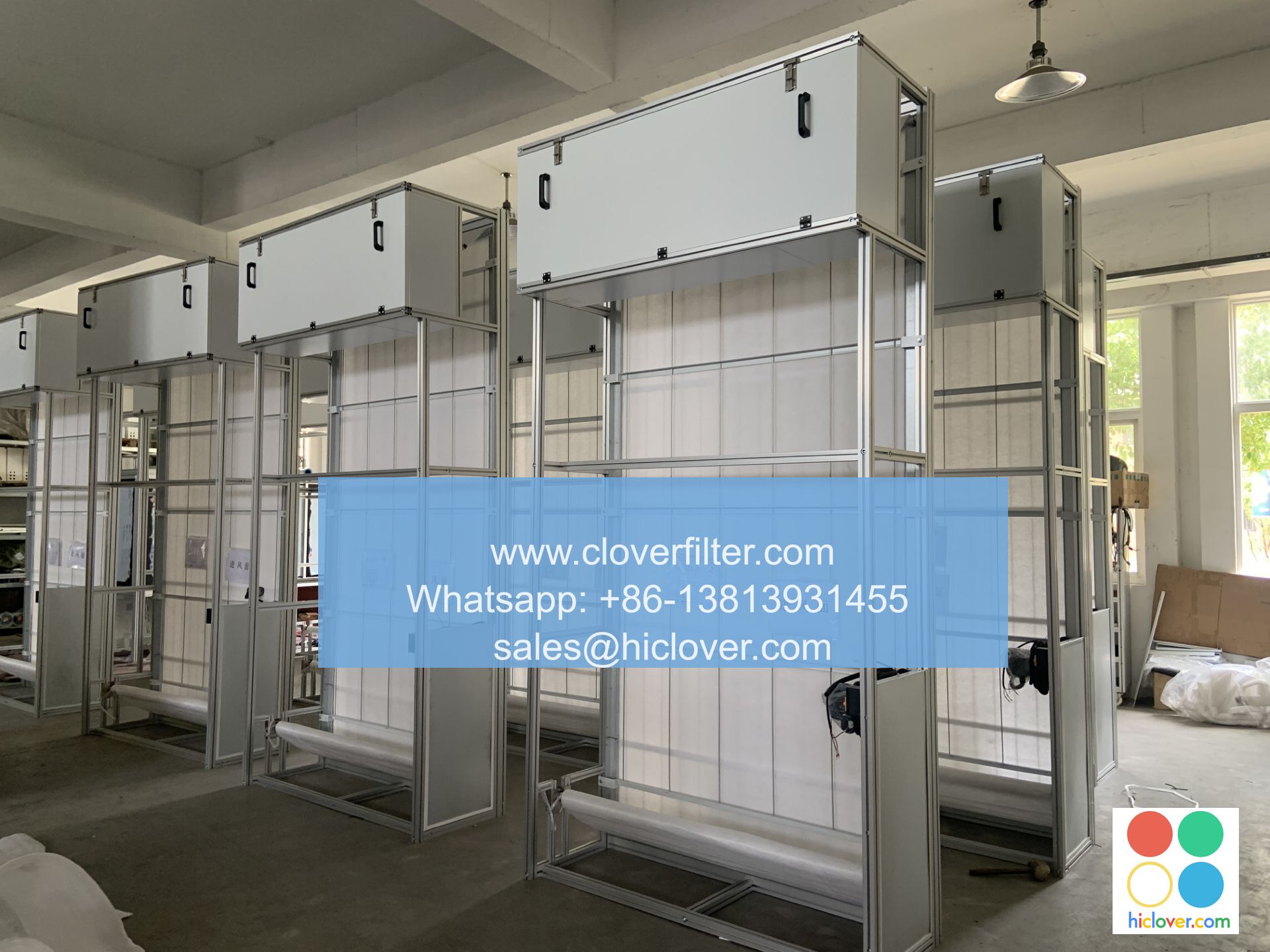
Data centers generate substantial heat owing to the continuous operation of servers and computational equipment. Excessive heat can lead to equipment malfunction or failure, adversely impacting data integrity and system uptime. Effective cooling systems are essential to remove heat from the equipment and maintain a stable operating temperature.
Why Automatic Roll Air Filters?
Automatic roll air filters have gained popularity in data center cooling solutions due to their efficiency and convenience. Here are several reasons why they are instrumental:
- Continuous Filtration: These filters provide a constant supply of clean air, crucial for maintaining optimal temperatures while preventing dust and particulates from entering sensitive equipment.
- Energy Efficiency: Automatic roll air filters optimize airflow, which assists in reducing the overall energy consumption of cooling systems.
- Cost-Effective Maintenance: These systems require less manual intervention, leading to lower maintenance costs and reduced downtime.
- Scalability: As AI and ML applications evolve, the requirement for data processing can increase. Automatic roll filters can adapt to varying airflow requirements, making them ideal for scaling operations.
The Climate Factor in Canada
Canada’s climate presents unique challenges for data center operation. Extreme temperatures, both cold and hot, necessitate specialized cooling techniques. While the cooler months can provide natural cooling benefits, summertime conditions can lead to overheating challenges. This makes effective filtration and cooling systems, like automatic roll air filters, essential to maintain stable temperatures year-round.
Enhancing Air Quality and Efficiency
Automatic roll air filters not only cool data centers but also enhance air quality. High air quality can minimize corrosion and degradation in hardware components, decreasing the chances of failure and extending the longevity of equipment. This becomes especially vital in AI and ML facilities, which use expensive, high-performance computing systems that require consistent operating conditions.
Conclusion
The integration of automatic roll air filters in data centers, particularly those focused on AI and ML in Canada, is crucial. With the demand for data processing on the rise and the challenges presented by the Canadian climate, these filters offer a reliable solution for maintaining cooling efficiency, reducing energy waste, and ensuring the safety and longevity of vital equipment. As Canada continues to strengthen its position in the realm of artificial intelligence, equipping data centers with advanced filtration solutions will remain a top priority for facility managers.
FAQs
1. What is the role of air filtration in data center cooling?
Air filtration helps maintain air quality and prevents dust and contaminants from entering equipment, thus enhancing cooling efficiency and equipment lifespan.
2. How often should air filters be replaced in data centers?
The frequency of replacement depends on the specific environment and usage; generally, it is advisable to monitor filter condition regularly and replace them as needed.
3. Are automatic roll air filters energy efficient?
Yes, they are designed to optimize airflow which reduces energy consumption compared to traditional filter systems.
4. Can automatic roll air filters adapt to changing needs?
Yes, these filters can adjust to varying airflow requirements, making them suitable for scaling operations in rapidly evolving data center environments.
