The Importance of Automatic Roll Air Filters in Electronics Packaging Plants: A LEED Certification Perspective
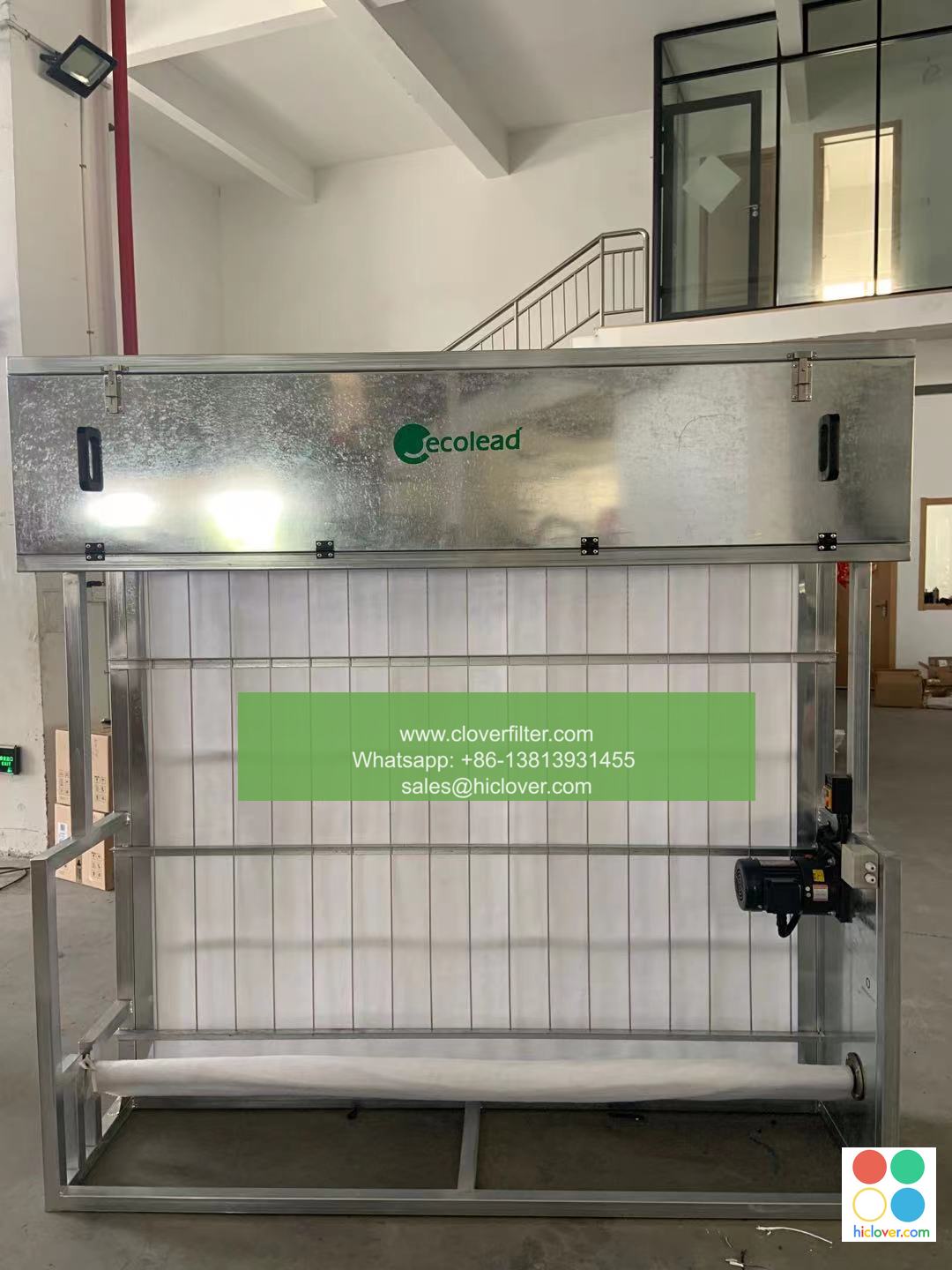
The Importance of Automatic Roll Air Filters in Electronics Packaging Plants
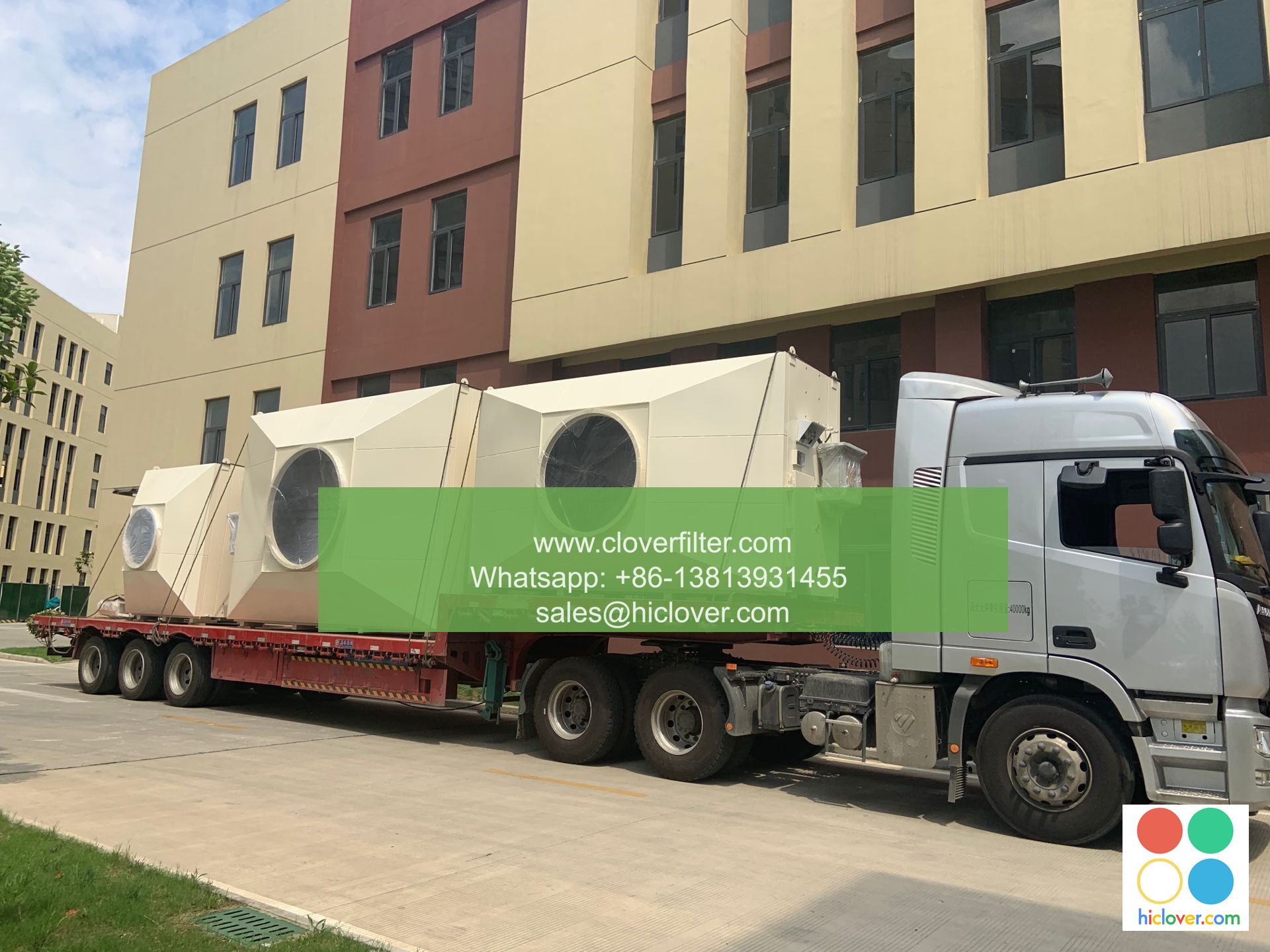
In the electronics packaging industry, maintaining a clean and controlled environment is crucial for the production of high-quality products. Dust and particulate contamination can compromise the integrity of electronic components, potentially leading to costly failures and recalls. As a solution to this challenge, automatic roll air filters have gained prominence, particularly from a LEED (Leadership in Energy and Environmental Design) certification perspective. This article explores the significance of these filters in electronics packaging plants and their contributions to sustainability and operational efficiency.
Enhanced Air Quality and Equipment Longevity
Automatic roll air filters are designed to continuously capture airborne particles, thus ensuring enhanced air quality in manufacturing environments. In electronics packaging plants, where sensitive components are assembled, even the smallest particles can lead to defects. Utilizing these advanced filtration systems not only protects the products but also extends the lifespan of associated machinery. When machinery operates in a clean environment, it requires less maintenance and experiences fewer breakdowns, thus improving productivity and reducing operational costs.
LEED Certification and Sustainable Practices
LEED certification is an internationally recognized benchmark for sustainable building practices. This certification is sought by companies aiming to showcase their commitment to environmental stewardship. The use of automatic roll air filters aligns with LEED’s criteria in several ways.
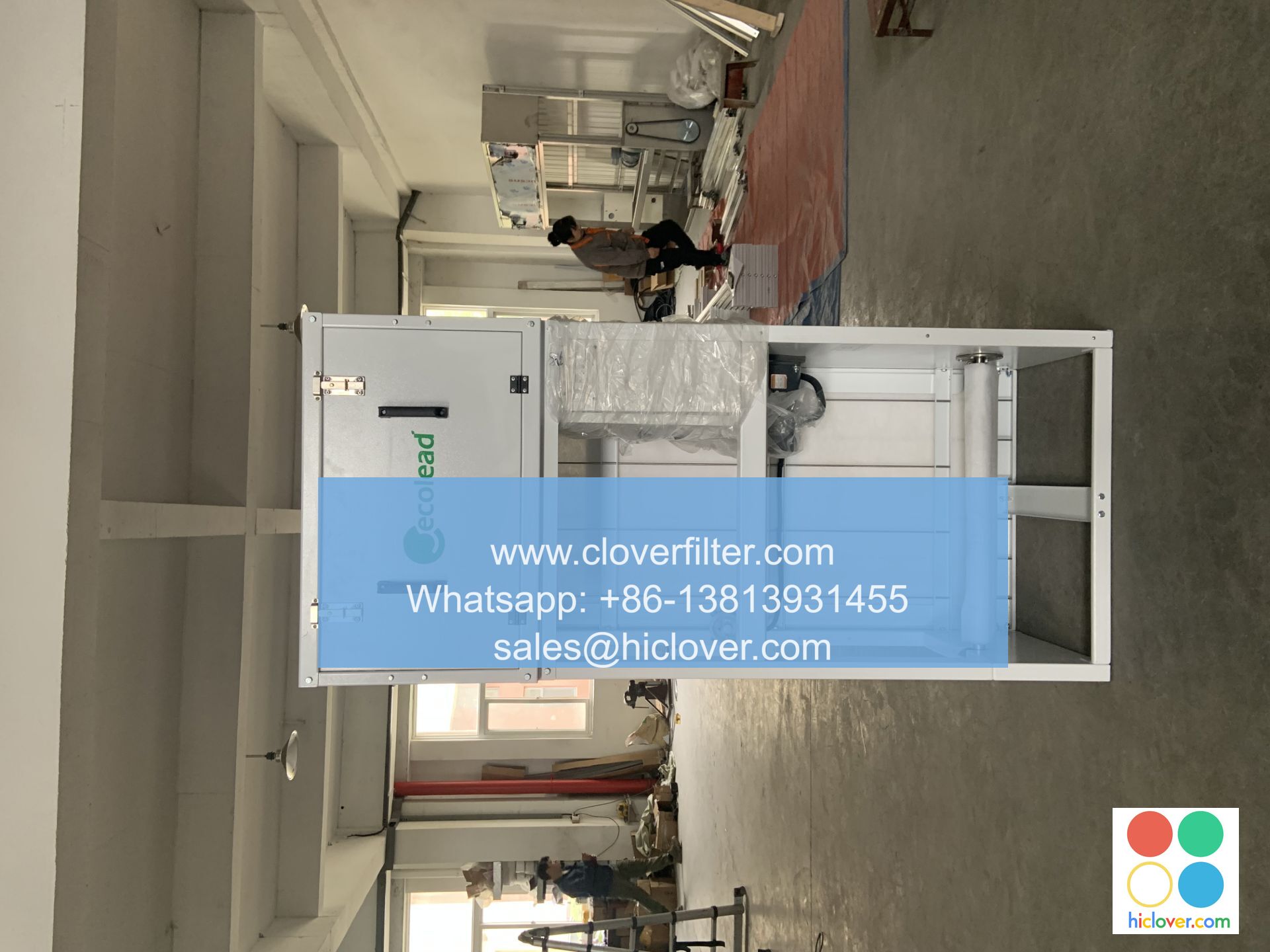
Firstly, these filters significantly improve indoor air quality, which is a critical factor in LEED certification. By reducing airborne pollutants, electronics packaging plants can contribute to a healthier work environment. This, in turn, has a positive impact on employee well-being and productivity, reducing absenteeism and enhancing job satisfaction.
Secondly, automatic roll air filters are often more energy-efficient compared to traditional filtration systems. They can be integrated into existing HVAC systems to optimize air flow while minimizing energy consumption. This contributes to one of LEED’s core principles—promoting energy efficiency in building operations.
Cost-Effectiveness Over Time
Investing in automatic roll air filters may appear to be a substantial upfront cost, but the long-term savings and benefits make it a viable solution. By minimizing equipment downtimes and maintenance costs, businesses generate a return on investment that outweighs the initial expenditure. Moreover, the reduction in waste—due to fewer defective products—further affirms the economic advantages of using high-grade filtration systems.
Integration with Smart Building Technologies
The integration of automatic roll air filters with smart building technologies presents an exciting opportunity for electronics packaging plants. Modern filters can be monitored and controlled remotely, allowing for real-time adjustments based on air quality readings. This adaptability not only ensures that the air quality remains optimal but also promotes energy savings by reducing unnecessary filtration when air quality is adequate.
Regulatory Compliance
Adhering to stringent environmental regulations in the manufacturing sector is non-negotiable. The incorporation of automatic roll air filters helps electronics packaging plants remain compliant with air quality standards. By actively reducing particulate pollution, businesses enhance their compliance with regulations, thus avoiding potential legal and financial repercussions.
Conclusion
The implementation of automatic roll air filters in electronics packaging plants is more than just an operational decision; it is a strategic investment in sustainability and efficiency. From enhancing air quality and boosting employee morale to adhering to regulatory requirements and gaining LEED certification, the benefits are multifaceted. In a world increasingly inclined towards sustainable practices, adopting such advanced filtration technologies is not just wise—it is essential.
FAQs
1. What are automatic roll air filters?
Automatic roll air filters are filtration systems designed to continuously capture and filter airborne contaminants in a manufacturing environment, effectively protecting sensitive electronic components.
2. How do automatic roll air filters contribute to LEED certification?
These filters improve indoor air quality, enhance energy efficiency, and support sustainable practices, all of which are essential criteria for obtaining LEED certification.
3. Are automatic roll air filters cost-effective in the long run?
Yes, while the initial investment may seem high, the long-term savings through reduced maintenance costs and improved product quality offer a strong return on investment.
4. Can these filters integrate with existing building systems?
Absolutely! Automatic roll air filters can often be seamlessly integrated into existing HVAC systems, enhancing their efficiency and effectiveness.
