The Importance of Automatic Roll Air Filters in Electronics Packaging Plants: A Quality Control Perspective
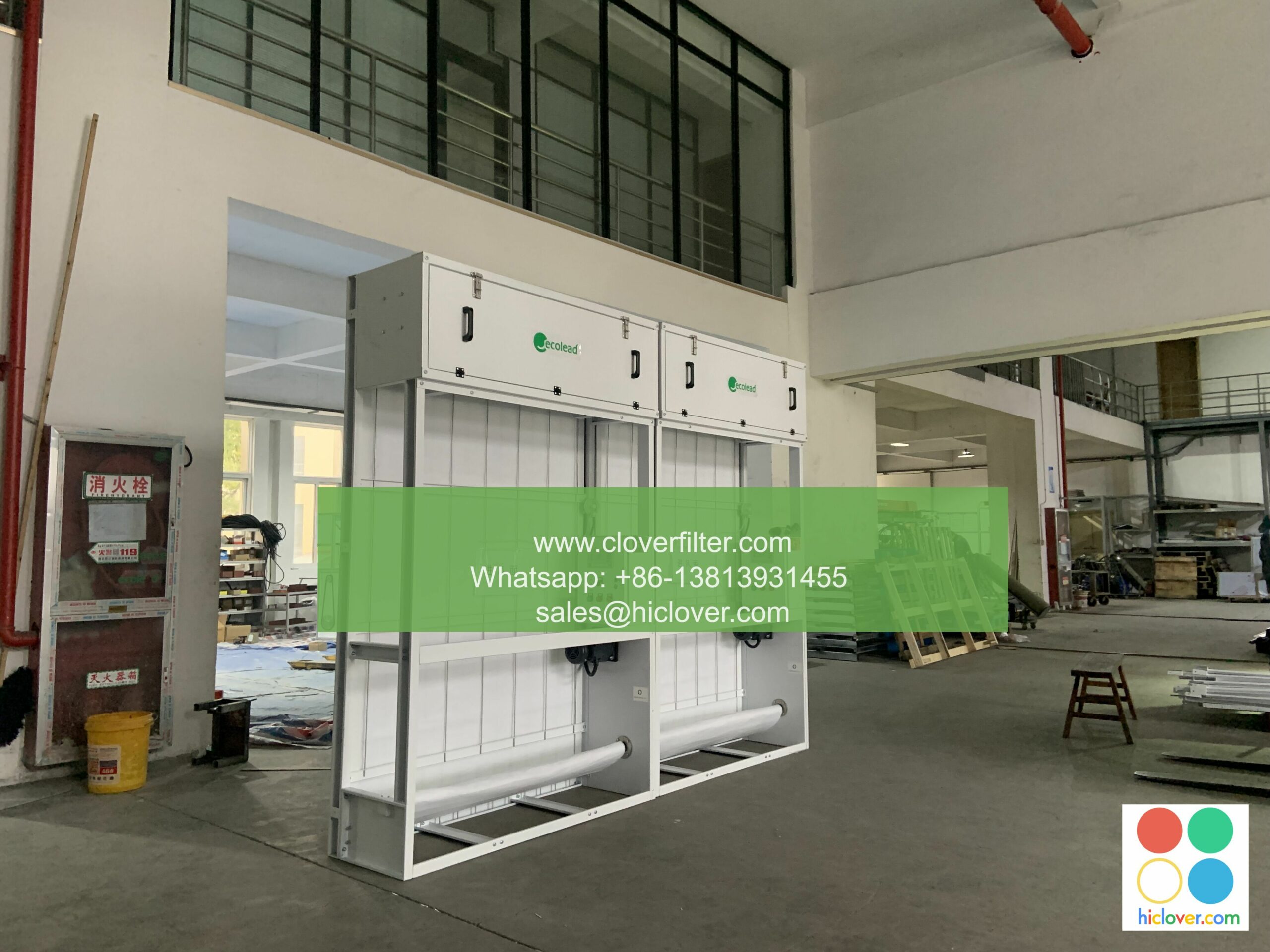
The Importance of Automatic Roll Air Filters in Electronics Packaging Plants: A Quality Control Perspective
The prevalence of electronics in daily life has skyrocketed, leading to a booming demand in electronics packaging plants. An essential yet often overlooked element in these environments is air quality. Automatic roll air filters play a crucial role in maintaining the quality and reliability of the products manufactured in these facilities. From minimizing dust and contaminants to ensuring optimal working conditions, these air filters significantly contribute to quality control in electronics packaging.
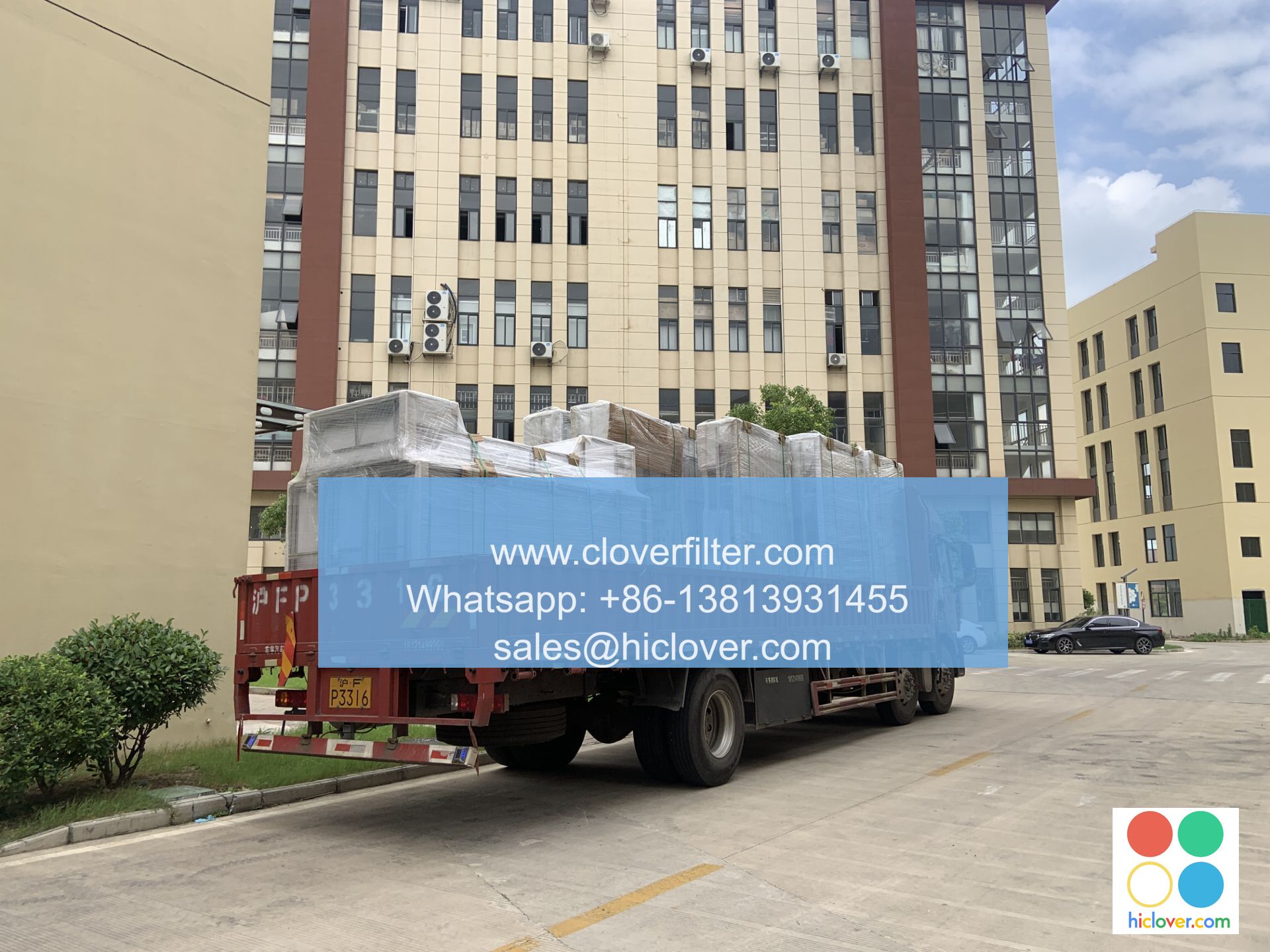
Understanding Automatic Roll Air Filters
Automatic roll air filters are designed to capture airborne particles, dust, and other contaminants that can adversely affect electronic components. These filters operate using a roll mechanism, allowing for continuous filtration without manual intervention. By capturing impurities from the air, they help maintain a clean production environment, which is vital in preventing defects and ensuring product longevity.
Quality Control and Contamination Prevention
One of the primary functions of air filtration systems in packaging plants is to control contamination. Electronics are sensitive to dust and particulates, which can lead to malfunction or degradation of components. Automatic roll air filters excel in this area by:
- Reducing Defects: Dust and other small contaminants can cause short circuits or affect the performance of sensitive electronic components. By ensuring a cleaner environment, automatic roll filters help minimize defects during the manufacturing process.
- Improving Product Lifespan: Clean air quality can enhance the longevity of electronic products by preventing corrosion and degradation that contaminants may induce.
- Enhancing Workforce Safety: Improved air quality contributes to a healthier work environment for employees, reducing respiratory issues related to poor air quality.
- Continuous Operation: The automatic roll mechanism ensures that filtration is ongoing, decreasing the need for frequent manual maintenance and allowing for smoother operations.
- Energy Efficiency: Modern roll air filters are designed to maximize airflow while minimizing resistance, helping to lower energy consumption in heating, ventilation, and air conditioning (HVAC) systems.

Operational Efficiency
In addition to quality control, automatic roll air filters improve operational efficiency by reducing downtime. These filters allow for:
Regulatory Compliance
In many regions, electronics manufacturers are subject to strict environmental and quality control standards. Using automatic roll air filters can help companies comply with these regulations, avoiding costly fines and enhancing their reputation. Such compliance not only safeguards the environment but also instills confidence in customers regarding the quality and safety of products.
Conclusion
In conclusion, automatic roll air filters are indispensable assets in electronics packaging plants from a quality control perspective. Their ability to maintain a clean working environment, reduce defects, improve product lifespan, and ensure regulatory compliance is critical in today’s competitive electronics market. Facilities that prioritize air quality through effective filtration systems can enjoy not only enhanced product quality but also greater operational efficiency and improved employee satisfaction.
FAQs
1. What are the main benefits of using automatic roll air filters?
Automatic roll air filters provide consistent air quality, reduce contaminants, lower the risk of product defects, and enhance employee health and safety in the workplace.
2. How often should the filters be changed?
The frequency of filter changes depends on the specific environment and usage. Regular monitoring and maintenance schedules are recommended to ensure optimal performance.
3. Can automatic roll air filters help with energy efficiency?
Yes, they are designed to optimize airflow while reducing resistance, leading to lower energy consumption in HVAC systems and overall operational costs.
