The Importance of Automatic Roll Air Filters in Textile Manufacturing
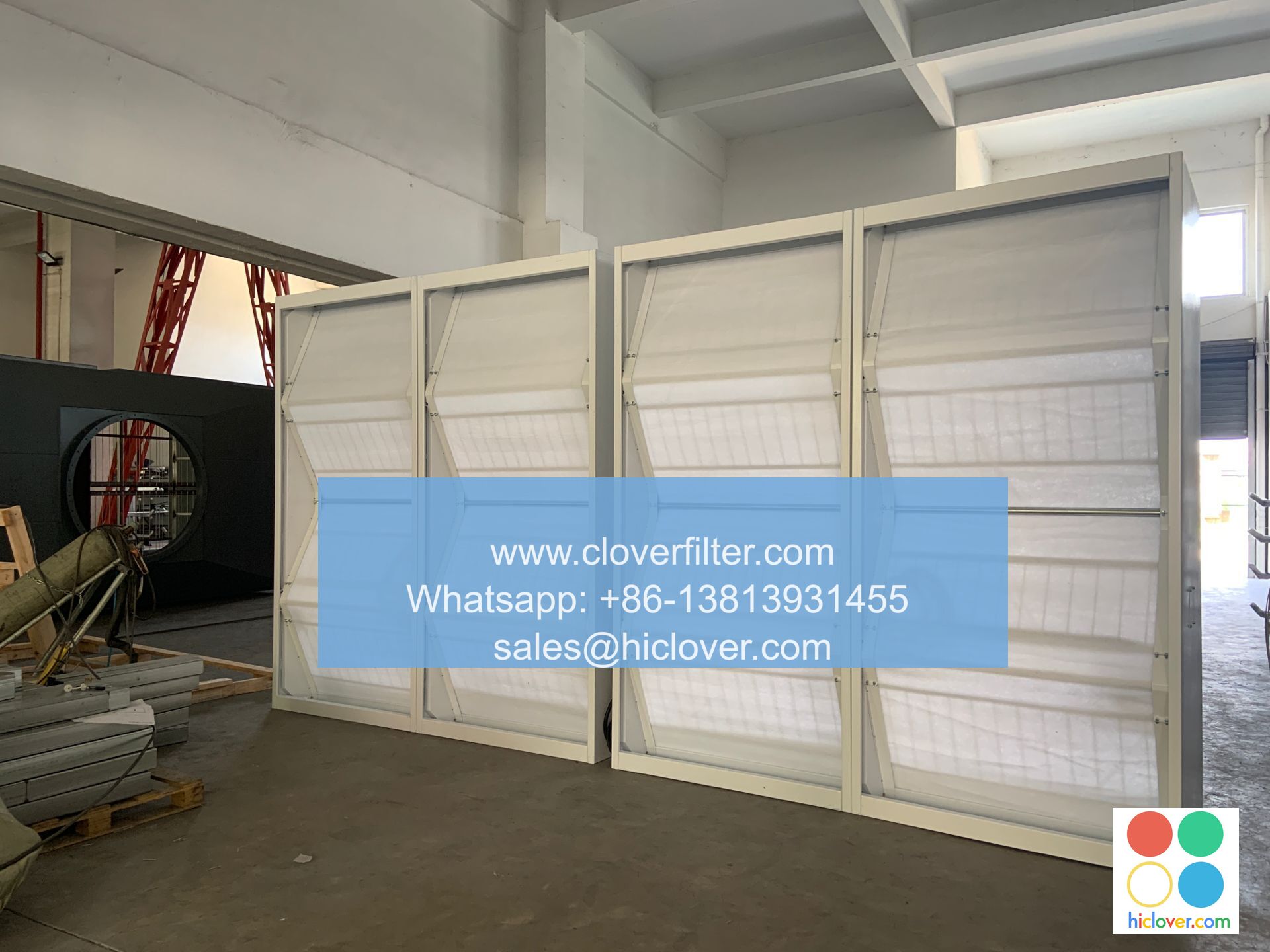
The textile manufacturing industry is a significant sector that produces a vast array of products, from clothing and upholstery to industrial textiles and medical supplies. The production process involves various stages, including spinning, weaving, knitting, and finishing, which generate a substantial amount of dust, lint, and other airborne contaminants. These pollutants can compromise the quality of the final product, damage equipment, and pose health risks to workers. To mitigate these issues, automatic roll air filters have become an essential component in textile manufacturing facilities.
Automatic roll air filters are designed to capture airborne particles, including dust, lint, and other contaminants, from the air in textile manufacturing facilities. These filters are typically installed in the ventilation systems of the factory and work by drawing in air, passing it through a filter medium, and releasing clean air back into the environment. The filter medium is usually a roll of filter material that is automatically advanced as it becomes saturated with debris, ensuring continuous filtration and minimizing maintenance downtime.

The importance of automatic roll air filters in textile manufacturing cannot be overstated. Firstly, they help to improve product quality by removing airborne contaminants that can compromise the texture, color, and overall appearance of the final product. For instance, in the production of high-quality fabrics, even the smallest particles can cause defects, such as pilling or snagging, which can lead to customer complaints and costly rework. By removing these particles, automatic roll air filters help to ensure that the final product meets the required standards.
Secondly, automatic roll air filters protect equipment and machinery from damage caused by airborne contaminants. Dust and lint can accumulate on equipment, causing mechanical failures, reducing efficiency, and increasing maintenance costs. By removing these particles, automatic roll air filters help to extend the lifespan of equipment, reduce downtime, and minimize repair costs. This, in turn, helps to increase productivity and reduce overall production costs.
Thirdly, automatic roll air filters improve worker health and safety. Textile manufacturing facilities can be hazardous environments, with airborne contaminants posing a significant risk to worker health. Inhaling dust and lint can cause respiratory problems, such as asthma and other breathing difficulties. By removing these particles, automatic roll air filters help to create a healthier working environment, reducing the risk of worker illness and improving overall well-being.
Finally, automatic roll air filters help to reduce energy costs. By removing airborne contaminants, these filters help to improve the efficiency of ventilation systems, reducing the energy required to heat, cool, and ventilate the facility. This, in turn, helps to reduce energy costs, minimize the facility’s carbon footprint, and contribute to a more sustainable manufacturing process.

In conclusion, automatic roll air filters are a crucial component in textile manufacturing facilities. They improve product quality, protect equipment and machinery, improve worker health and safety, and reduce energy costs. By installing and maintaining these filters, textile manufacturers can ensure a cleaner, healthier, and more efficient production environment, which is essential for producing high-quality products and maintaining a competitive edge in the market.
Frequently Asked Questions
Q: What types of airborne contaminants can automatic roll air filters remove?
A: Automatic roll air filters can remove a wide range of airborne contaminants, including dust, lint, pollen, and other particles.
Q: How often should automatic roll air filters be maintained?
A: The maintenance frequency of automatic roll air filters depends on the manufacturer’s recommendations and the level of contamination in the facility. Typically, filters should be checked and replaced every 1-3 months.
Q: Can automatic roll air filters be customized to meet specific manufacturing requirements?
A: Yes, automatic roll air filters can be customized to meet specific manufacturing requirements, including filter size, material, and efficiency.
Q: Are automatic roll air filters expensive to install and maintain?
A: The cost of installing and maintaining automatic roll air filters can vary depending on the manufacturer and the specific requirements of the facility. However, the benefits of improved product quality, reduced equipment damage, and improved worker health and safety can far outweigh the costs.
