The Importance of Automatic Roll Air Filters in Vaccine Manufacturing
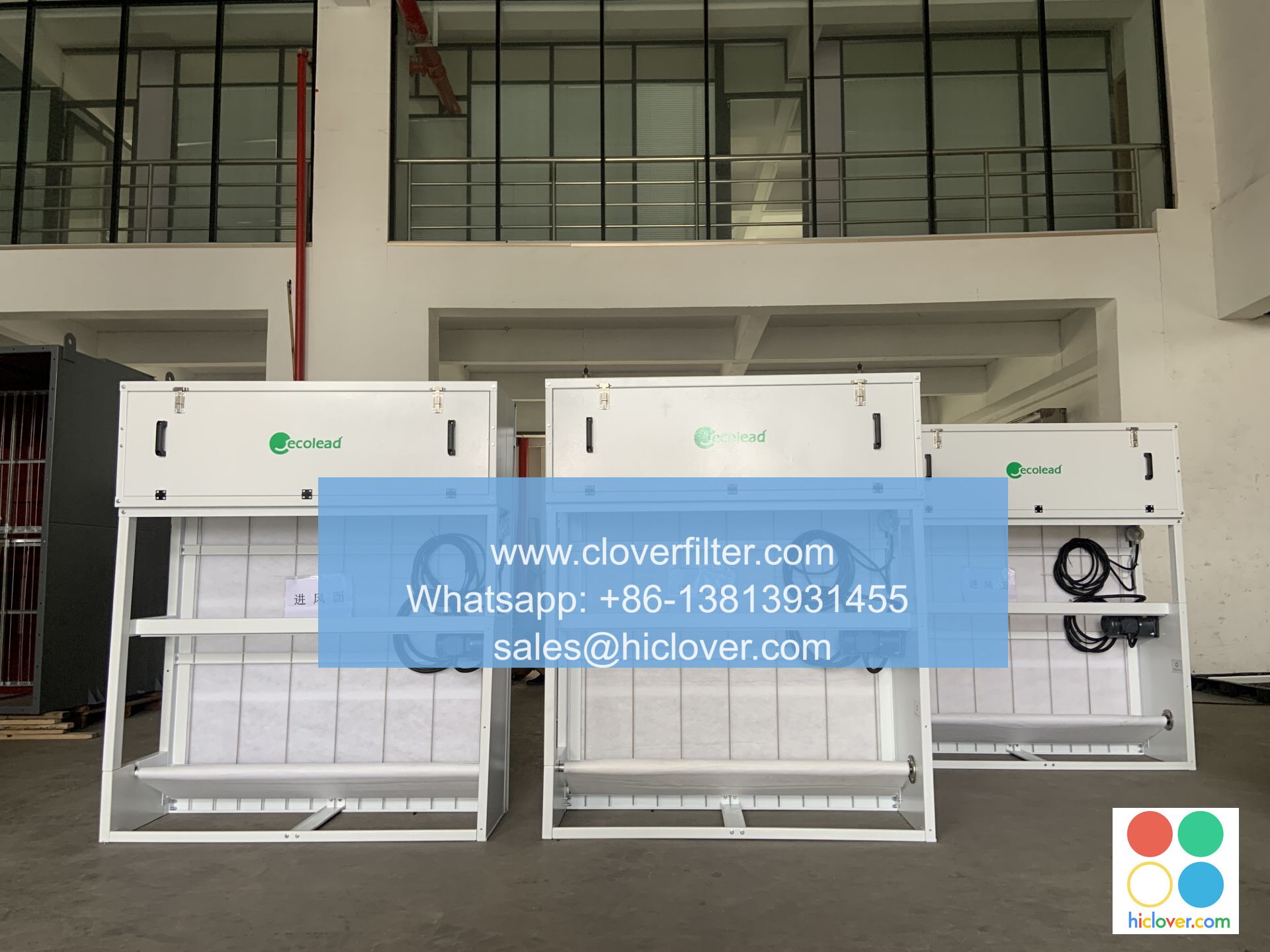
The production of vaccines is a highly regulated and complex process that requires meticulous attention to detail to ensure the quality and safety of the final product. One crucial aspect of vaccine manufacturing is the control of airborne contaminants, which can be achieved through the use of automatic roll air filters. In this article, we will explore the importance of these filters in vaccine manufacturing and highlight their various application areas.
Contamination Control in Vaccine Manufacturing
Vaccine manufacturing involves the use of biological materials, such as cells, viruses, and bacteria, which can be susceptible to contamination. Airborne contaminants, such as particulate matter, bacteria, and viral particles, can enter the manufacturing process through various means, including air handling systems and personnel movement. If left unchecked, these contaminants can compromise the quality and safety of the vaccine, leading to product recalls and regulatory issues. Automatic roll air filters play a critical role in preventing contamination by removing airborne particles and microorganisms from the air.
Filtration Efficiency and Accuracy
Automatic roll air filters are designed to provide high levels of filtration efficiency and accuracy in removing airborne contaminants. These filters use advanced filtration media, such as HEPA filters and ULPA filters, which can capture particles as small as 0.3 microns. The use of automatic roll air filters ensures that the air in the manufacturing facility is clean and free from contaminants, reducing the risk of contamination and product defects.
Application Areas of Automatic Roll Air Filters
Automatic roll air filters have various application areas in vaccine manufacturing, including:
* Fill and Finish: Automatic roll air filters are used to control the air quality in fill and finish areas, where the vaccine is filled into vials or syringes.
* Cell Culture: These filters are used to maintain a sterile environment in cell culture areas, where cells are grown and harvested for vaccine production.
* Viral Vector: Automatic roll air filters are used to control the air quality in viral vector areas, where viruses are used to produce vaccines.
* Lyophilization: These filters are used to maintain a controlled environment in lyophilization areas, where vaccines are freeze-dried to remove moisture.

Regulatory Compliance and Industry Standards
The use of automatic roll air filters in vaccine manufacturing is regulated by various industry standards and regulatory agencies, such as the WHO, US FDA, and EU GMP. These regulations require vaccine manufacturers to implement effective contamination control measures, including the use of automatic roll air filters, to ensure the quality and safety of the final product.
Conclusion
In conclusion, automatic roll air filters play a critical role in vaccine manufacturing by controlling airborne contaminants and maintaining a sterile environment. The use of these filters ensures the quality and safety of the final product, reduces the risk of contamination and product defects, and helps vaccine manufacturers comply with regulatory requirements and industry standards. As the demand for vaccines continues to grow, the importance of automatic roll air filters in vaccine manufacturing will only continue to increase, highlighting the need for advanced filtration solutions and innovative technologies in this field.
