The Importance of Automatic Roll Filters in Aerospace Cleanroom Design and Operation
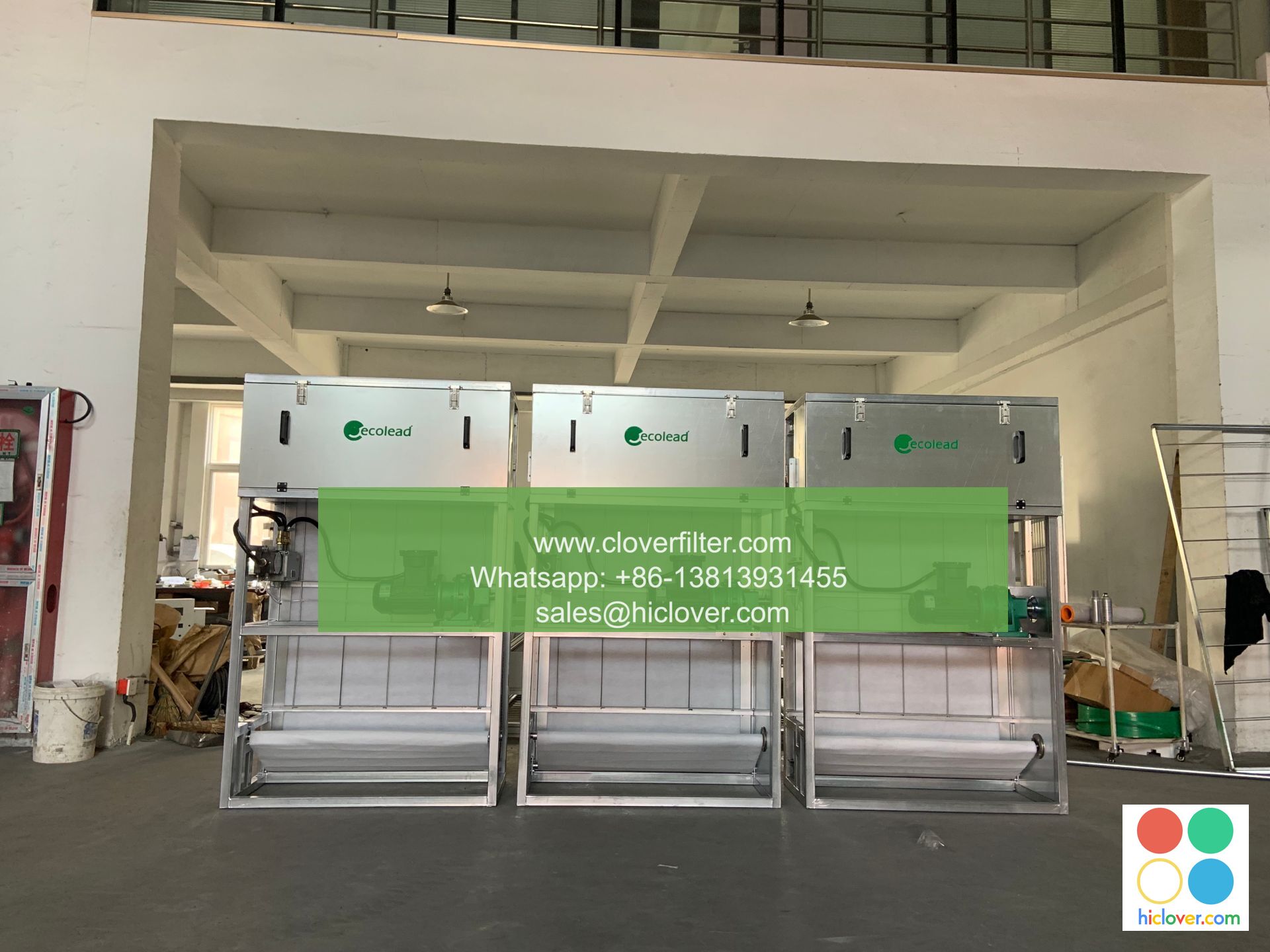
In the aerospace industry, stringent cleanliness standards are paramount. The design and operation of cleanrooms require a meticulous approach to contamination control, making the role of automatic roll filters critical. These filters not only enhance the effectiveness of cleanroom operations but also ensure compliance with industry regulations.
Understanding Automatic Roll Filters

Automatic roll filters are advanced filtration systems that provide continuous and efficient air purification. They utilize a roll of filter media that automatically advances, exposing fresh sections of the filter while the used portions are removed. This technology is particularly valuable in maintaining clean air quality within aerospace cleanrooms.
Key Benefits of Automatic Roll Filters
- Enhanced Filtration Efficiency: Automatic roll filters are designed to capture a wide range of particulate matter, including ultrafine particles that can compromise aerospace components.
- Reduced Downtime: The automated nature of these filters minimizes manual intervention, allowing for seamless operation and reduced maintenance downtime.
- Cost-Effectiveness: By optimizing filter usage, automatic roll filters can significantly lower operational costs associated with frequent filter replacements.
- Environmentally Friendly: Many automatic roll filters use recyclable materials, contributing to sustainability goals within the aerospace industry.

Applications in Aerospace
Automatic roll filters find diverse applications within aerospace cleanrooms, which include:
- Manufacturing of Aerospace Components: These filters ensure that the manufacturing environment remains free from particulates that could affect component integrity.
- Research and Development: In laboratories where new aerospace technologies are developed, maintaining an uncontaminated environment is crucial.
- Assembly Lines: Clean air is vital during the assembly of delicate components to prevent any foreign material from interfering with assembly processes.
- Testing Facilities: When testing aerospace equipment, automatic roll filters help maintain the necessary cleanliness levels for valid test results.
Operational Considerations
For optimal performance, cleanroom operators should consider the following when integrating automatic roll filters:
- Regular Monitoring: Implementing a monitoring system can help track air quality and filter performance, ensuring that filters are functioning as intended.
- Proper Sizing: It is crucial to select filters that are appropriately sized for the cleanroom space to maximize efficiency and air circulation.
- Complementary Technologies: Pairing automatic roll filters with other air cleaning technologies, such as HEPA and UVC systems, can enhance overall contaminant control.
Conclusion
In conclusion, automatic roll filters are indispensable in the design and operation of aerospace cleanrooms. Their ability to maintain stringent air quality standards while reducing operational costs and downtime positions them as a cornerstone of contemporary cleanroom management. As the aerospace sector continues to advance, so too will the importance of efficient filtration systems in ensuring high-quality performance and regulatory compliance.
