The importance of Clean Air in Urban Environments

Clean air is essential for the health and well-being of individuals living in urban environments. The air we breathe has a significant impact on our quality of life, and poor air quality can lead to a range of respiratory problems, including asthma, chronic obstructive pulmonary disease (COPD), and other cardiovascular diseases. In this article, we will explore the importance of clean air in urban environments and highlight various application areas where air quality monitoring and air pollution control measures can be implemented.
Impact of Air Pollution on Urban Health
Air pollution is a major concern in urban areas, where the population is densely concentrated and there are multiple sources of pollution, including vehicle emissions, industrial activities, and construction projects. The World Health Organization (WHO) estimates that approximately 7 million people die prematurely each year due to air pollution-related illnesses. In urban areas, the particulate matter (PM), nitrogen dioxide (NO2), and ozone (O3) levels are often high, posing a significant risk to the health of residents.
Applications of Air Quality Monitoring
Air quality monitoring is crucial for identifying areas with poor air quality and implementing air pollution control measures. Some of the key application areas of air quality monitoring include:
- Urban planning: Air quality monitoring can inform urban planning decisions, such as the location of industrial sites, transportation hubs, and residential areas.
- Traffic management: Air quality monitoring can help optimize traffic flow and reduce congestion, which can decrease vehicle emissions and improve air quality.
- Industrial emissions control: Air quality monitoring can help industries identify areas for emissions reduction and implement control measures to minimize their impact on air quality.
- Rename and Transition to Clean Energy: Transitioning to renewable energy sources, such as solar and wind power, can significantly reduce greenhouse gas emissions and improve air quality.
- Increasing Energy Efficiency: Improving energy efficiency in buildings and industries can reduce energy consumption and lower emissions.
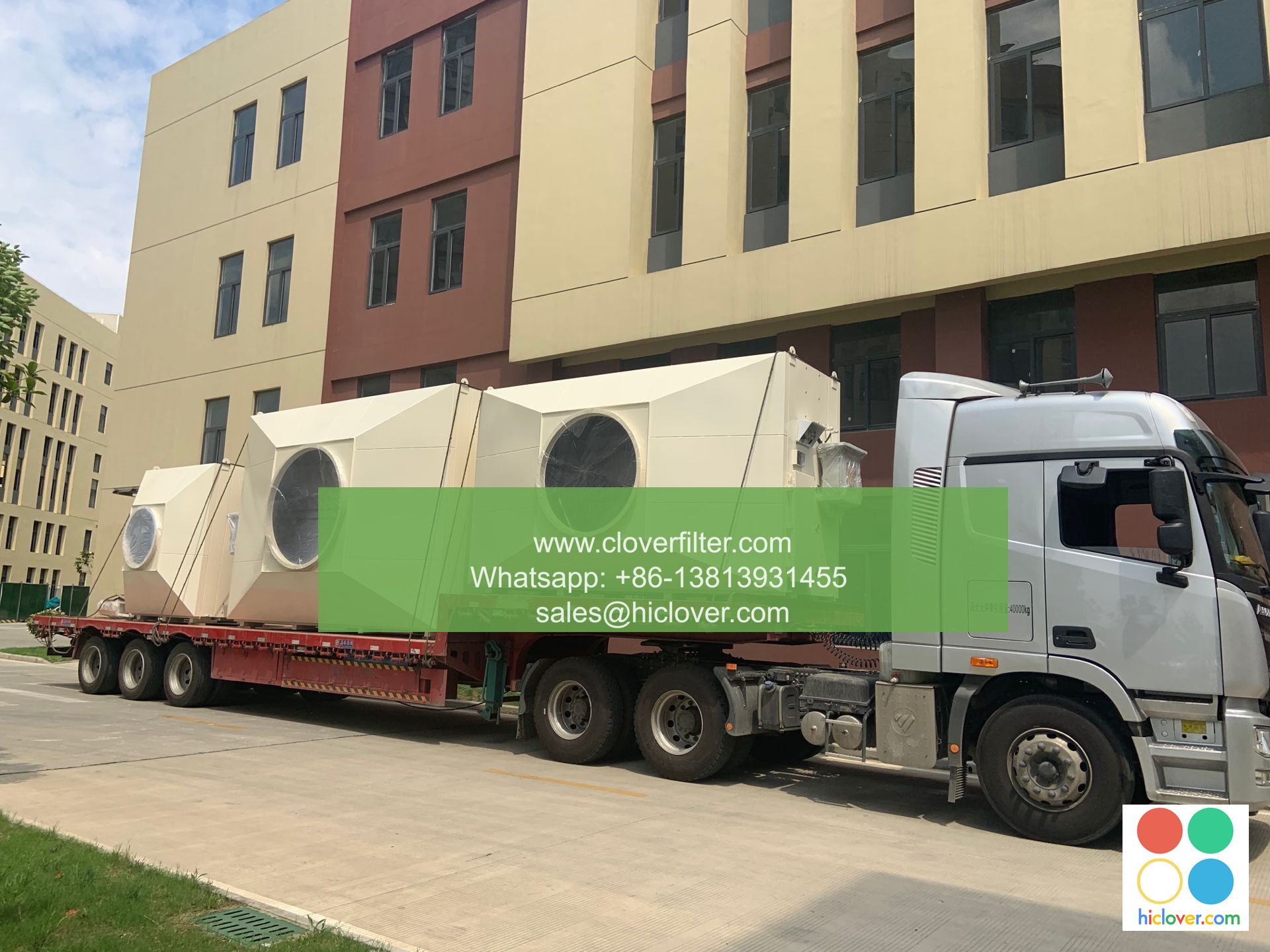
- Implementing Emissions Control Technologies: Implementing emissions control technologies, such as scrubbers and filters, can reduce pollutant emissions from industrial sources.
Solutions for Improving Air Quality
There are several solutions that can be implemented to improve air quality in urban environments, including:

Conclusion
In conclusion, clean air is essential for the health and well-being of individuals living in urban environments. Air quality monitoring and air pollution control measures are crucial for identifying areas with poor air quality and implementing solutions to improve air quality. By transitioning to clean energy sources, increasing energy efficiency, and implementing emissions control technologies, we can reduce air pollution and create healthier, more sustainable urban environments. It is essential that governments, industries, and individuals work together to prioritize clean air and sustainable development in urban areas. Prompt
