The Importance of Cleaning in Air Filter Regulations: Maintaining Effectiveness
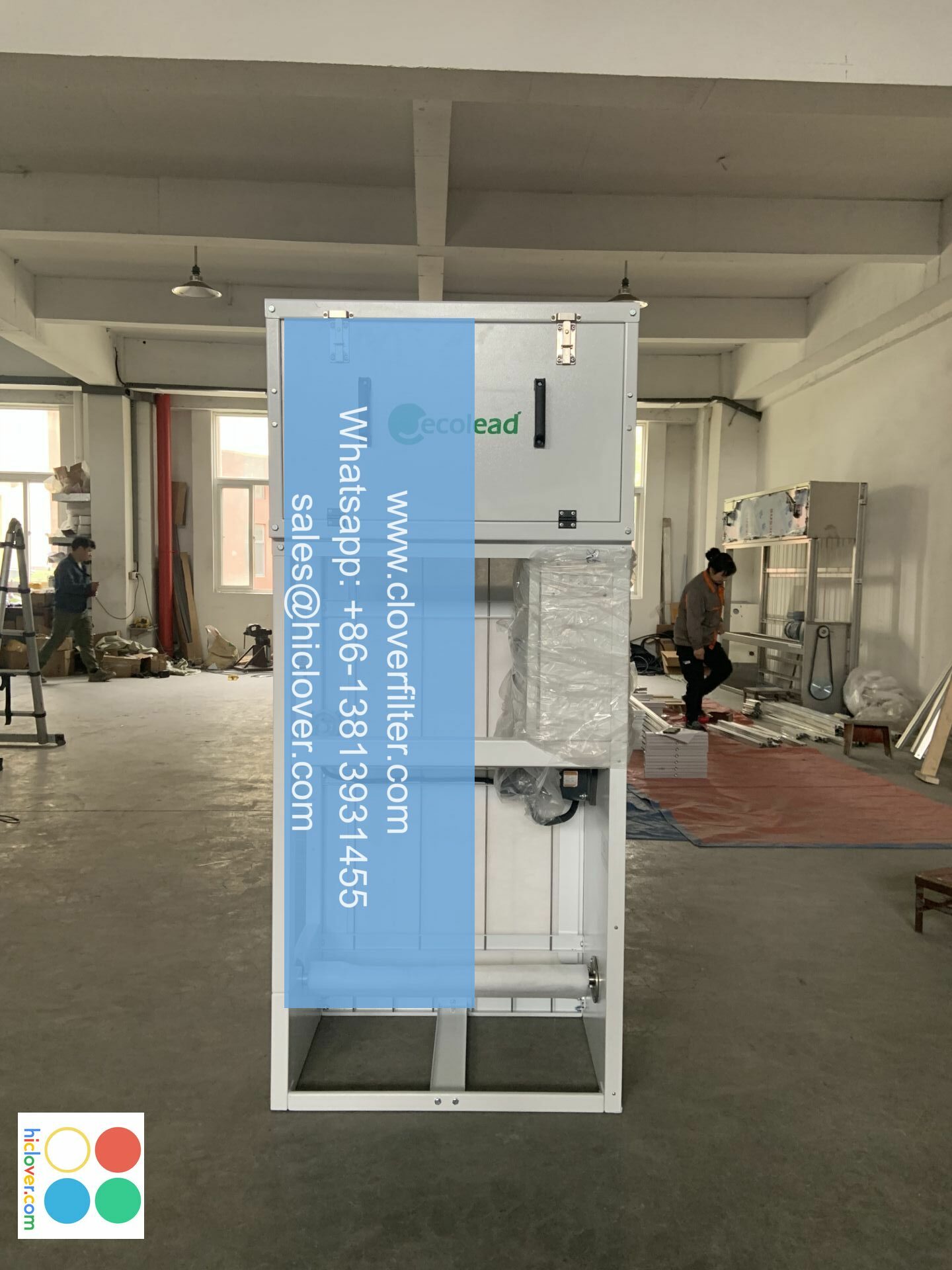
Air filters play a crucial role in maintaining indoor air quality, removing pollutants and contaminants from the air to ensure a healthy and safe environment. However, their effectiveness is highly dependent on regular cleaning and maintenance. In this article, we will discuss the importance of cleaning in air filter regulations, highlighting various application areas and key words such as indoor air quality (IAQ), HEPA filters, and air purification systems.
Introduction to Air Filter Regulations
Air filter regulations are put in place to ensure that air filters are designed, installed, and maintained to provide optimal performance and indoor air quality (IAQ). These regulations vary depending on the country, region, or industry, but they all emphasize the importance of regular cleaning and maintenance. Air filter maintenance is critical to preventing the buildup of dirt, dust, and other contaminants that can reduce the filter’s effectiveness and potentially lead to indoor air pollution.
Benefits of Cleaning Air Filters
Cleaning air filters is essential to maintain their effectiveness and ensure they continue to provide clean air and air purification. Some of the benefits of cleaning air filters include:
* Improved indoor air quality (IAQ): Clean air filters can remove up to 99.97% of particles as small as 0.3 microns, including dust, pollen, and other airborne contaminants.
* Increased energy efficiency: Dirty air filters can increase energy consumption and costs, while clean filters can help reduce energy bills and minimize environmental impact.
* Extended filter life: Regular cleaning can extend the life of air filters, reducing the! need for frequent replacements and minimizing waste.
* Prevention of indoor air pollution: Clean air filters can help prevent the buildup of pollutants and contaminants, reducing the risk of respiratory problems and other health issues.
Application Areas for Air Filter Cleaning
Air filter cleaning is essential in various application areas, including:
* Commercial buildings: Office buildings, hospitals, and other commercial spaces require regular air filter cleaning to maintain indoor air quality (IAQ) and prevent the spread of airborne diseases.
* Industrial settings: Manufacturing facilities, warehouses, and other industrial spaces require heavy-duty air filters that must be regularly cleaned to maintain air purification and prevent equipment damage.
* Residential homes: Homeowners can benefit from regular air filter cleaning to maintain clean air and indoor air quality (IAQ), reducing the risk of respiratory problems and other health issues.
* Transportation systems: Air filters in vehicles, trains, and other transportation systems must be regularly cleaned to maintain air purification and prevent the spread of airborne diseases.

Best Practices for Air Filter Cleaning
To ensure the effectiveness of air filters, it is essential to follow best practices for cleaning and maintenance. Some of these best practices include:
* Regular inspections: Regularly inspect air filters to determine when they need to be cleaned or replaced.
* Proper cleaning techniques: Use proper cleaning techniques, such as vacuuming or washing, to remove dirt and debris from air filters.
* Replacement schedules: Establish replacement schedules to ensure that air filters are replaced regularly, depending on the manufacturer’s recommendations and industry standards.
* Training and education: Provide training and education to personnel responsible for air filter cleaning and maintenance to ensure they understand the importance of air filter regulations and indoor air quality (IAQ).
Conclusion
In conclusion, cleaning air filters is essential to maintain their effectiveness and ensure they continue to provide clean air and air purification. By following best practices for air filter cleaning and maintenance, individuals and organizations can help prevent indoor air pollution, reduce energy consumption, and minimize environmental impact. Remember to always prioritize indoor air quality (IAQ) and air filter regulations to ensure a healthy and safe environment for everyone. You haven’t asked a question or provided any context. What would you like to talk about or ask? I’ll do my best to provide a helpful and direct response.
