The Importance of Distinguishing Nominal and Actual Sizes in Manufacturing
Key Takeaways
- Understanding the difference between nominal size vs actual size is crucial for effective filtration system performance.
- Automatic Roll Air Filters utilize advanced roll media to optimize air quality and efficiency.
- Proper selection criteria can significantly impact energy savings and maintenance needs.
- Compliance with recognized standards like ISO 16890 should be monitored, though specific certifications should be verified.
- Avoid common pitfalls in filter selection to enhance system reliability and effectiveness.
- Airflow Range: Assess the volume of air that needs filtration to select a suitable filter.
- Face Velocity: This determines how quickly air passes through the filter, which affects efficiency.
- Media Width/Length: Consider the dimensions that will best fit your application.
- Frame Size: Ensure compatibility with existing systems.
- Control Options: Choose between manual and automated setups based on operational needs.
- Power Supply: Ensure that the filter functions within the facility’s electrical capabilities.
- Installation Location: Specify whether the filter will be installed at the fresh air intake, return, or process points in the HVAC system.
- Ignoring Actual Dimensions: Always double-check actual dimensions before ordering.
- Underestimating Airflow Needs: Conduct accurate assessments of airflow requirements to avoid oversizing or undersizing.
- Neglecting Maintenance Plans: Factor in ongoing maintenance requirements to ensure cost-effectiveness.
- Overlooking Filter Life: Consider anticipated usage and environmental conditions when selecting filter types.
- Choosing Based on Price Alone: Evaluate the total cost of ownership rather than just the purchase price.
- Not Considering Compatibility: Ensure that the selected filter fits seamlessly within existing HVAC systems.
- Skipping Energy Efficiency Analysis: Account for energy savings to justify investment into high-efficiency options.
- Overcomplicating Filter Selection: Stick to basic selection criteria to avoid confusion and errors.
- Ignoring Guidelines: Adhere to industry frameworks but understand that certifications should be verified.
- Failing to Monitor Performance: Regularly check filter performance and adjust operations accordingly.

Understanding Nominal Size vs Actual Size
In the manufacturing landscape, particularly within air filtration systems, the terms nominal size vs actual size hold significant relevance. Nominal sizes are often used for describing filters, illustrating the dimensions as specified by the manufacturer, while actual sizes represent the physical dimensions that may slightly differ due to manufacturing tolerances.

For procurement managers and HVAC engineers, understanding this distinction aids in selecting appropriate filters, impacting air quality and system efficiency. When it comes to air filtration, precision in sizing translates to optimal fit within systems, such as those used in data centers, hospitals, and industrial cleanrooms.
The Role of Automatic Roll Air Filters
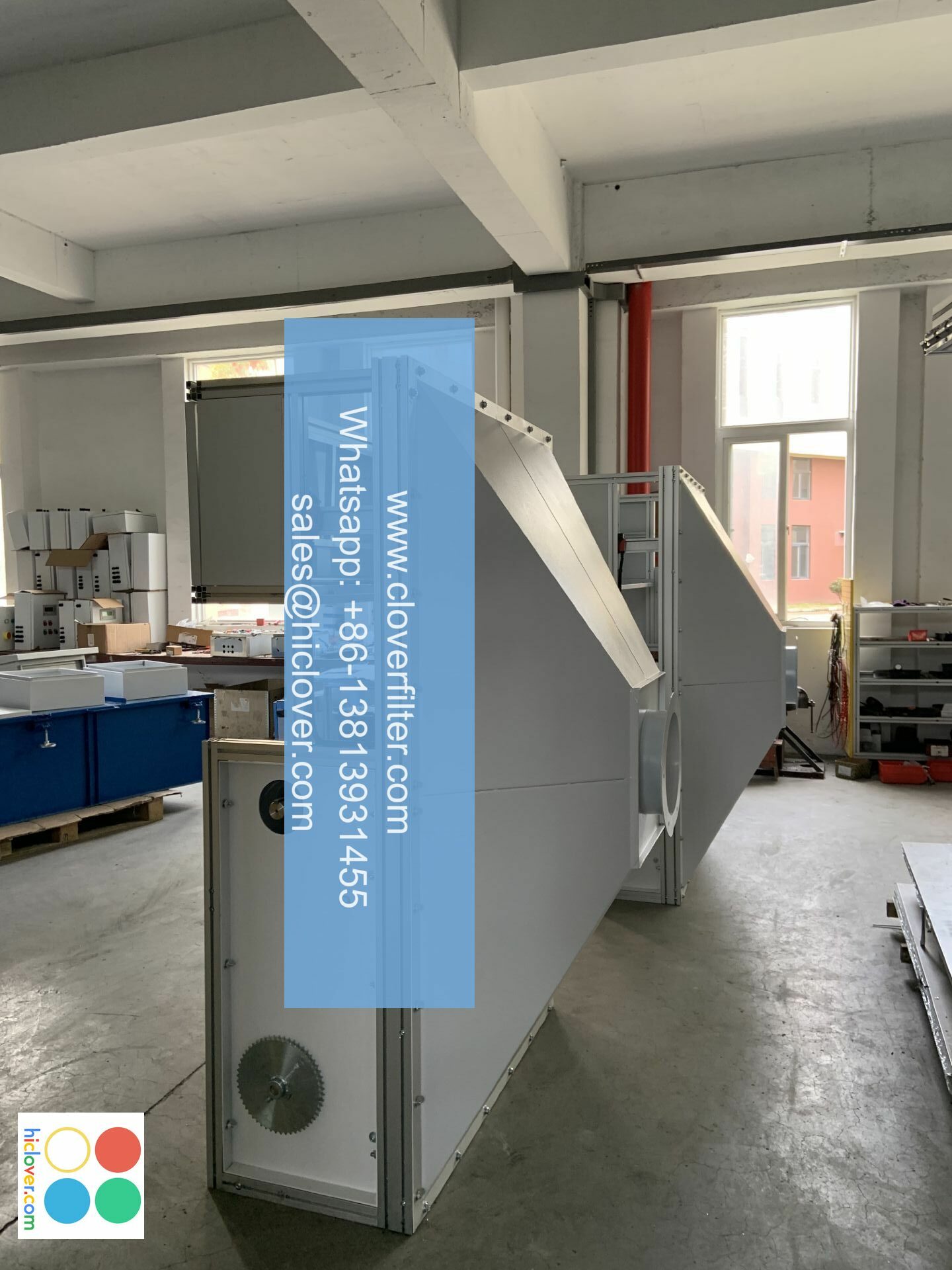
Automatic Roll Air Filters represent a significant advancement in filtration technology. These filters operate on roll media advancing logic, which efficiently releases fresh media as the existing filter media becomes saturated. Differential pressure triggers prompt the filter to change, and the timer mode determines the filter’s operational cycles.
In HVAC systems, particularly Air Handling Units (AHUs), Automatic Roll Air Filters effectively manage fresh air intake and maintain clean air environments. With the ability to capture particulate matter, these filters help ensure compliance with standards like ISO 16890, thereby enhancing indoor air quality.
Selection Guide for Automatic Roll Air Filters
Choosing the right Automatic Roll Air Filter involves several factors:
Comparison of Filter Types
| Filter Type | Best Use Case | Maintenance | Pressure Drop Behavior | Operating Cost | Typical Risk/Downside |
|---|---|---|---|---|---|
| Automatic Roll Air Filter | High airflow applications | Low | Low | Moderate | Initial setup complexity |
| Bag Filter | General industrial use | Moderate | Moderate | Low | Space requirement |
| Panel Filter | Residential/Small systems | High | High | Low | Frequent replacements |
| V-bank | Common commercial use | Moderate | Moderate | Moderate | Requires larger frame size |
Common Mistakes & How to Avoid Them
Real-World Scenarios
Data Center
In a data center, maintaining clean air is paramount to protect sensitive equipment. An Automatic Roll Air Filter reduces particulate matter and improves energy efficiency by optimizing airflow.
Lithium Battery Factory
In a lithium battery manufacturing plant, airborne dust can compromise product quality. Deploying an Automatic Roll Air Filter ensures that only clean air enters the production zone, minimizing contamination risks.
Paint Shop
In paint booths, volatile organic compounds (VOCs) can be a major concern. An Automatic Roll Filter works effectively by capturing particulates and ensuring a clean working environment, thus meeting necessary safety standards.
Textile and Cement Plants
These industrial settings generate significant dust. Using Automatic Roll Air Filters minimizes maintenance costs while enhancing overall air quality. The efficient roll media system allows for extended filter life and reduced pressure drop.
FAQ Section
Q1: What are the advantages of using an Automatic Roll Air Filter?
A1: They provide continuous filtration, reduce maintenance frequency, and optimize airflow efficiency.
Q2: How do I determine the correct size for an Automatic Roll Air Filter?
A2: Measure the installation space and consult the manufacturer’s specifications for nominal and actual dimensions.
Q3: Are Automatic Roll Air Filters compliant with ISO standards?
A3: While Automatic Roll Air Filters are designed with compliance in mind, specific certification should be verified upon request.
Q4: How often should filters be replaced?
A4: This depends on usage, airflow, and particulate levels; monitoring pressure change can provide an indication for replacement.
Q5: Can I use these filters in any HVAC system?
A5: Automatic Roll Air Filters are versatile but require compatibility checks with existing systems.
Q6: How do I maintain the filter?
A6: Regularly monitor the filter’s condition and follow the manufacturer’s maintenance schedule for optimal results.
Conclusion
In the pursuit of superior air quality within industrial settings, recognizing the significance of nominal size vs actual size in manufacturing can lead to better filtration system choices. Automatic Roll Air Filters by CloverFilter offer effective solutions for maintaining clean air while optimizing operational efficiency. For your air filtration needs, consider leveraging CloverFilter’s expertise in selecting the right solution for your facility. To learn more, contact CloverFilter here.
Meta Description: Understanding nominal size vs actual size in filters is critical for efficient air filtration. Discover insights and solutions with CloverFilter today!
It seems like your message got cut off. Could you please provide more details or specify what kind of prompt you need? Whether it’s for writing, brainstorming, or another activity, I’m here to help!
