The Importance of Effective Air Filter Logistics in Clean Air Initiatives
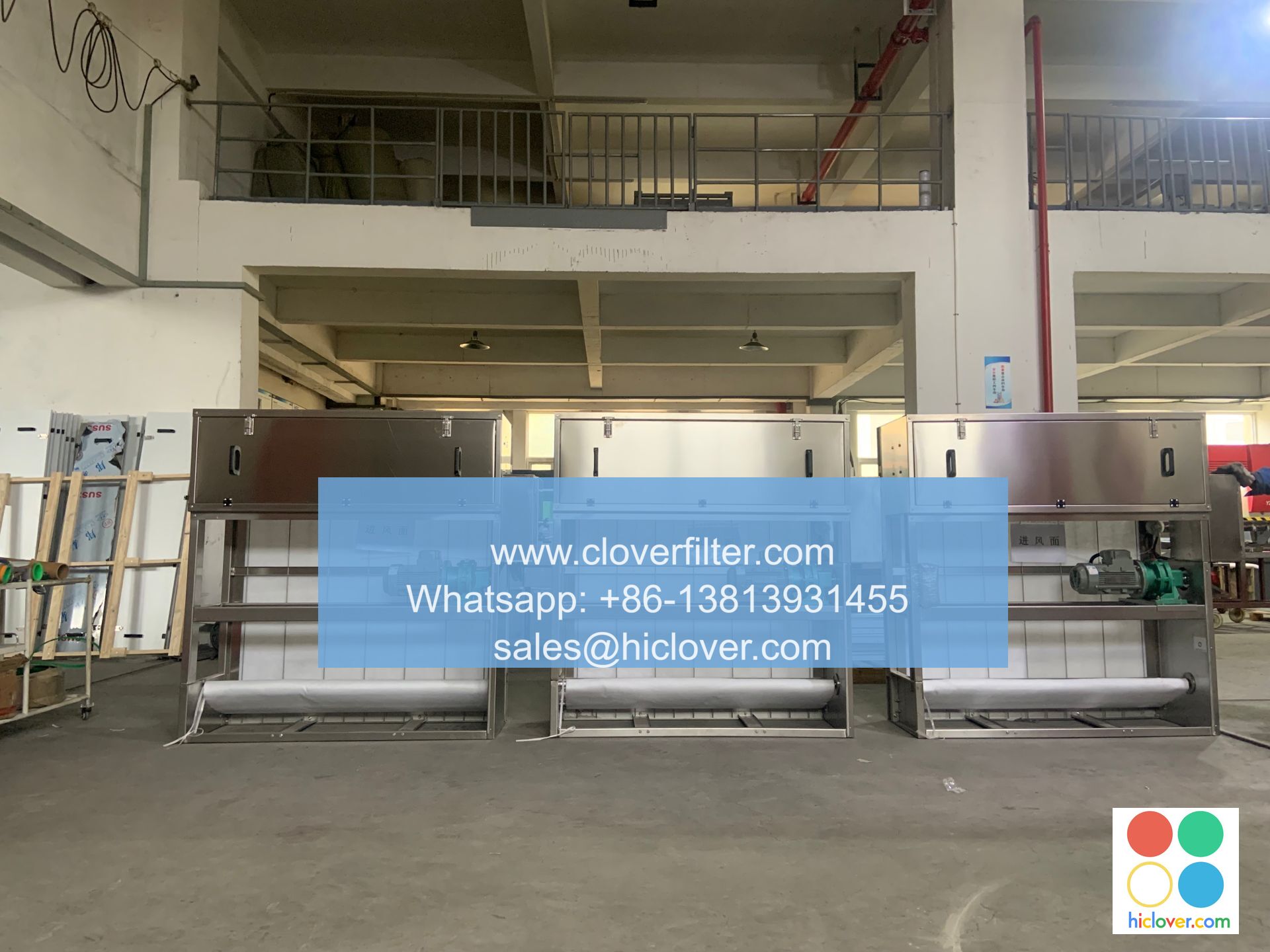
- Effective air filter logistics are essential for maintaining air quality.
- Automatic Roll Air Filters help streamline airflow management.
- Proper selection guides improve performance and reduce costs.
- Avoiding common mistakes enhances operational efficiency.
- Real-world scenarios highlight practical applications.
- Compliance with standards is vital for effective filtration.
- CloverFilter provides advanced filtration solutions to meet diverse needs.
- Airflow Range: Ensure compatibility with the system’s design specifications.
- Face Velocity: Optimize the filter’s intake speed for effective particulate capture.
- Media Width/Length: Match the filter dimensions to the existing HVAC setup.
- Frame Size: Ensure that the frame can accommodate the chosen media and airflow.
- Control Options: Decide between automatic sensors or manual controls based on operational demands.
- Power Supply: Confirm the electrical requirements for the chosen filter setup.
- Installation Location: Identify the optimal placement for the filter, whether at fresh air intake, return lanes, or processing areas.
- Neglecting regular maintenance schedules: Automate reminders to replace and inspect filters.
- Choosing incorrect filter sizes: Verify dimensions against specifications.
- Ignoring airflow requirements: Ensure filters match the system’s designed airflow.
- Overlooking pressure drop considerations: Monitor performance to avoid excessive energy costs.
- Failing to utilize media advancements: Upgrade to latest technologies for improved efficiency.
- Mismatching filter types with applications: Assess use case to select the appropriate filtration technology.
- Underestimating the importance of air quality: Regularly test air for pollutants to ensure compliance with standards.
-
Data Center: In a data center, maintaining optimal air quality is crucial for equipment performance. Automatic Roll Air Filters facilitate consistent air flow, reducing energy costs and ensuring a stable environment for sensitive electronics.
-
Battery Factory: Lithium battery production requires stringent air quality management. The filter’s advanced media minimizes dust and particulate contamination, assisting in compliance with operational standards.
-
Paint Shop: In paint booths, maintaining a clean atmosphere is essential for product quality. CloverFilter’s Automatic Roll Air Filters effectively capture volatile organic compounds (VOCs) and other harmful substances.
-
Textile and Steel/Cement Plants: These industries generate significant particulate matter. The Automatic Roll Air Filter mitigates the impacts by filtering out pollutants efficiently, providing healthier working conditions.
- Effective air filter logistics are crucial for optimal air quality.
- Automatic Roll Air Filters enhance performance and lower maintenance.
- Proper selection parameters impact filtration efficiency.
- Avoiding common mistakes can maximize system potential.
- Real-world applications showcase versatility across industries.
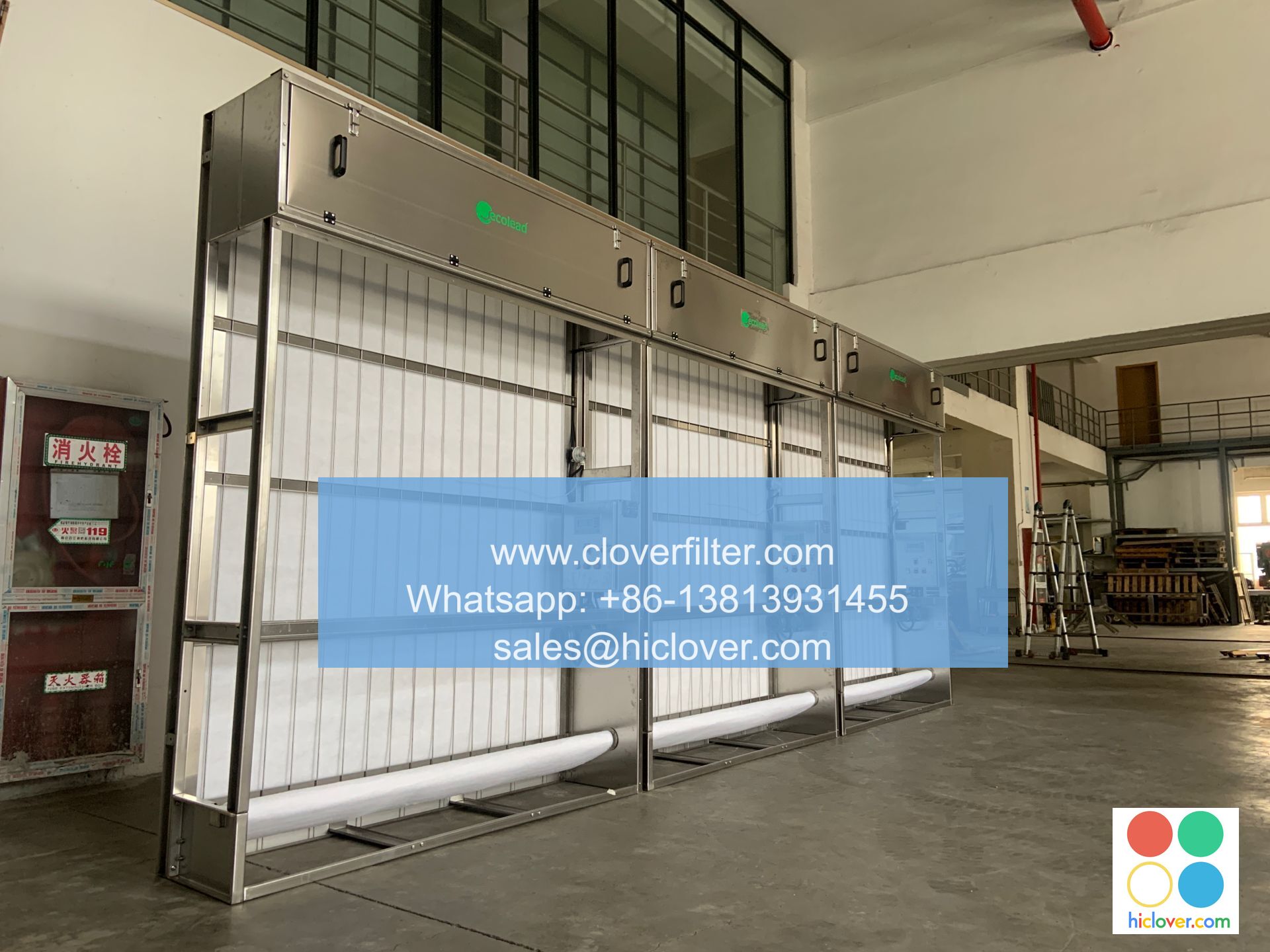
Understanding Air Filter Logistics
Air filter logistics play a vital role in any clean air initiative, particularly in demanding environments like factories, cleanrooms, and data centers. Effective air filter logistics ensure optimal performance, longevity, and energy efficiency, which are crucial for organizations focused on maintaining superior air quality. To this end, the Automatic Roll Air Filter by CloverFilter represents a modern solution designed to meet the complexities of contemporary HVAC systems.

What is an Automatic Roll Air Filter?
An Automatic Roll Air Filter utilizes a roll media advance logic that continuously supplies fresh media as needed. This system employs a differential pressure trigger mechanism, activating automatically when the pressure builds up, indicating that the filter is becoming saturated. Users can also opt for timer mode settings, allowing for consistent performance based on time intervals.
In HVAC/AHU (Air Handling Unit) systems, this innovative filtration technology is especially effective as a prefilter for fresh air intake or as a final filter for return air. Its efficiency offers both maintenance reduction and energy-saving benefits, making it an essential tool for businesses that prioritize clean air.
Practical Selection Guide for Automatic Roll Air Filters
When selecting an Automatic Roll Air Filter, consider the following parameters:
Comparing Filtration Systems: A Quick Overview
Here’s a summary of how the Automatic Roll Air Filter stacks up against other common filter types:
| Filter Type | Best Use Case | Maintenance | Pressure Drop Behavior | Operating Cost | Typical Risk/Downside |
|---|---|---|---|---|---|
| Automatic Roll Air Filter | High-traffic facilities | Low | Consistent | Low | Initial setup complexity |
| Bag Filter | General industrial use | Moderate | Variable | Moderate | Limited particulate control |
| Panel Filter | Smaller systems | High | Low | High | Frequent replacement needed |
| V-bank | High-efficiency areas | Low | Moderate | High | Space limitations |
Common Mistakes & How to Avoid Them
Implementing effective air filter logistics can be complex, and avoiding common pitfalls can enhance your system’s performance. Here are seven mistakes to steer clear of:
Real-World Scenarios
Understanding the practical applications of the Automatic Roll Air Filter can aid facility managers in making informed decisions. Here are four scenarios where CloverFilter’s solutions prove beneficial:
Compliance and Industry Standards
While discussing air filtration standards, it’s important to reference frameworks like ISO 16890 and MERV ratings without claiming specific certifications. Systems employing CloverFilter technology can be designed to align with these standards, ensuring high-level particulate control. Specific certifications and testing data can be made available on request.
FAQ: Air Filter Logistics and Selection
Q1: How often should I replace air filters?
A1: This depends on the environment, but generally, filters in high-traffic areas should be replaced every 3-6 months.
Q2: What is the lifespan of an Automatic Roll Air Filter?
A2: Lifespan varies based on usage but typically ranges from several months to a year before requiring replacement.
Q3: Can I use an Automatic Roll Air Filter for all applications?
A3: While versatile, it’s essential to assess operational environment and requirements to ensure suitability.
Q4: How does the differential pressure trigger work?
A4: It senses the pressure buildup in the filter and starts advancing new media when the saturation limit is approached.
Q5: Are these filters energy efficient?
A5: Yes, they can lead to significant energy savings by maintaining airflow with less resistance.
Q6: What is the ideal airflow range for these filters?
A6: This can vary widely; consult product specifications for precise ranges based on your facility’s needs.
Key Takeaways
For more information and to explore CloverFilter’s innovative filtration solutions, please visit CloverFilter. For inquiries, feel free to reach out through our contact page.
Meta Description: Discover the crucial role of air filter logistics in clean air initiatives. Explore the advantages of CloverFilter’s Automatic Roll Air Filter and maximize efficiency.
It seems like you entered “Prompt” without any additional context or detail. Could you please specify what type of prompt you are looking for? Whether it’s a writing prompt, a question, or something else entirely, I’ll be glad to help!
