The Importance of Effective Ventilation in Medical Waste Handling Bays
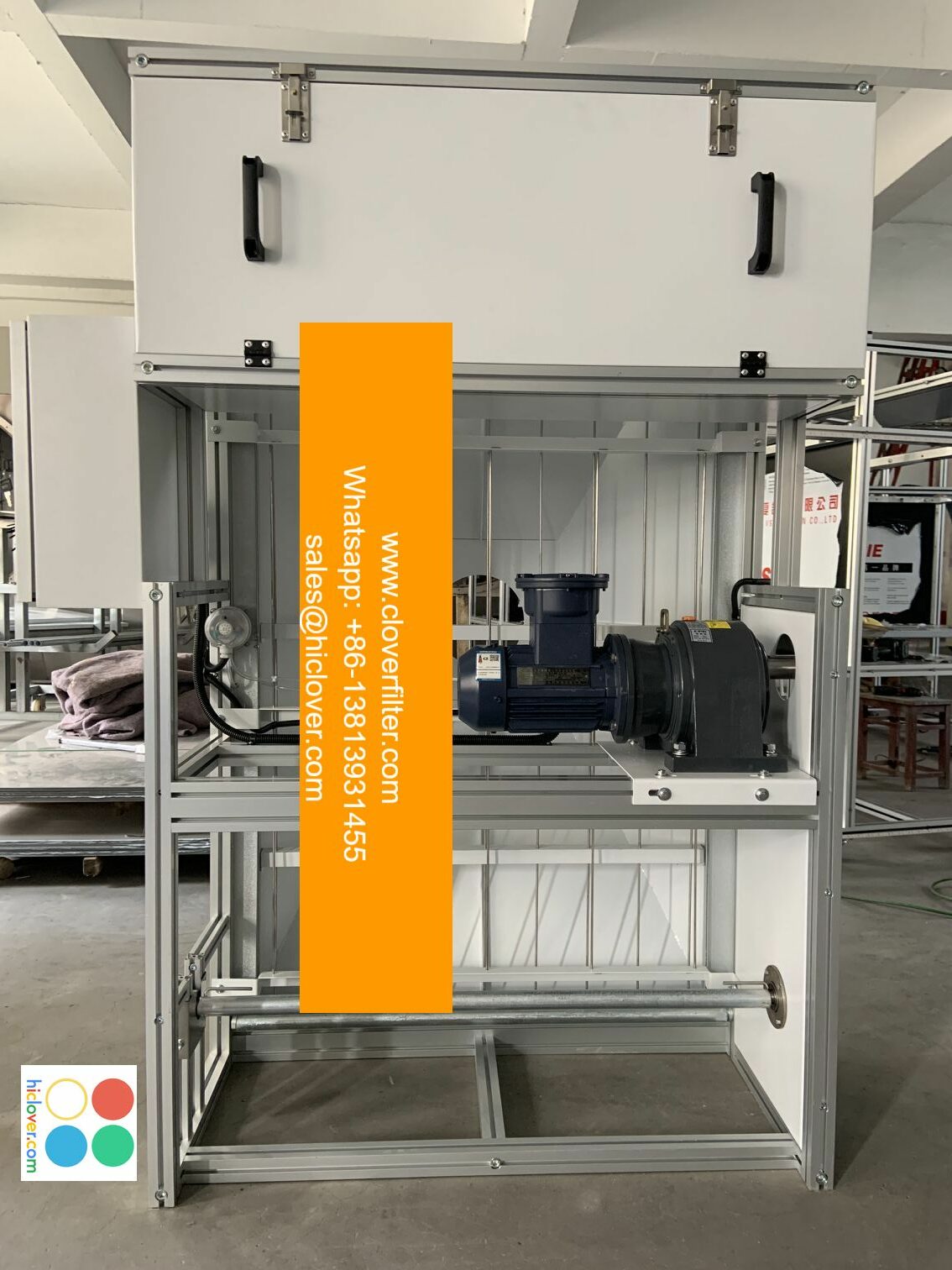
Understanding Medical Waste Handling Bays

Medical waste handling bays are critical areas where healthcare facilities manage and store clinical waste.
These bays must comply with a variety of health regulations and safety standards. Due to the hazardous nature
of certain medical waste, such as sharps and biohazardous materials, proper ventilation is a vital component
of these facilities.
Why Effective Ventilation is Crucial
The importance of effective ventilation in medical waste handling bays cannot be overstated.
Below are several key reasons why it is critical:
- Health and Safety: Poor ventilation can lead to the accumulation of harmful airborne contaminants,
posing risks to workers and the surrounding environment. Effective ventilation helps to eliminate these threats. - Regulatory Compliance: Many regulating bodies, such as OSHA and the EPA, mandate specific ventilation standards
to minimize risks associated with medical waste. Proper ventilation systems ensure compliance with these regulations. - Odor Control: Medical waste often emits unpleasant odors. A well-ventilated bay helps mitigate these smells,
improving working conditions and proximity for workers. - Fire Protection: Some medical waste materials are flammable. Effective ventilation reduces the buildup of flammable gases,
providing an extra layer of safety against fire hazards. - Natural Ventilation: Utilizing windows and vents to allow fresh air to circulate can be effective in some scenarios,
although it may not always meet safety standards. - Mechanical Ventilation: This is the most common and effective method, using fans and blowers to control airflow
and maintain safe air quality levels. - Negative Pressure Systems: Creating a pressure difference ensures that contaminated air is drawn out
and fresh air is brought in, further enhancing safety. - Hospital Waste Disposal Units: These systems are essential for the safe management of solid waste types,
including sharps and other hazardous materials. - Laboratories: Laboratories that generate biohazardous waste must employ stringent ventilation
systems to protect staff and prevent contamination. - Long-Term Care Facilities: Facilities that manage the waste of high-risk patients must prioritize
ventilation to minimize exposure and ensure safe practices. - Research Facilities: Facilities conducting medical research often deal with hazardous materials
requiring specialized ventilation solutions to ensure safety.
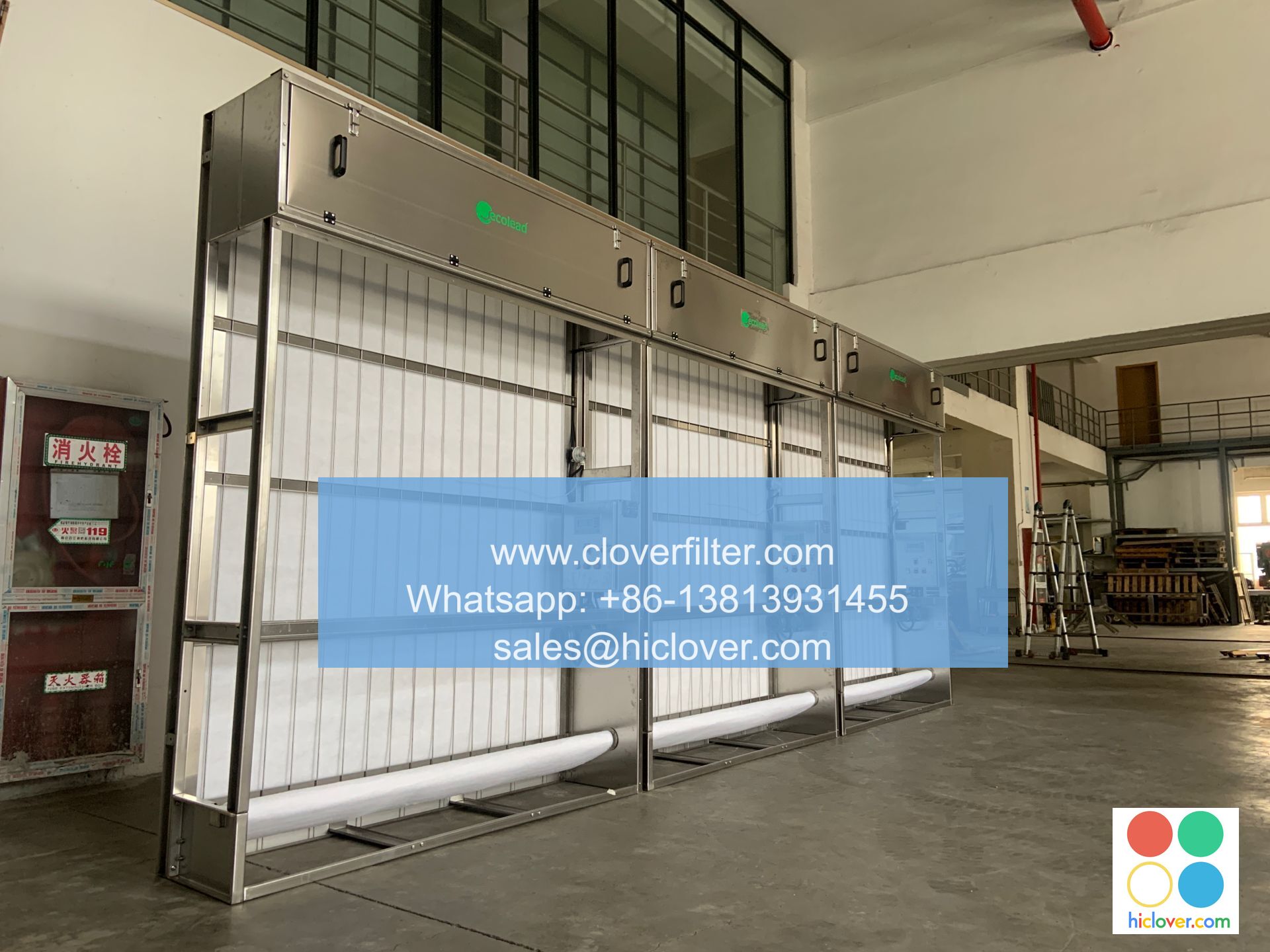
Types of Ventilation Systems
There are various ventilation systems that can be employed in medical waste handling bays to ensure safety and efficiency.
These include:
Application Areas of Effective Ventilation
Effective ventilation systems find their application in several areas within medical waste management, including:
It seems like your message got cut off. Could you please provide more details or specify what kind of prompt you’re looking for? Whether it’s for writing, art, a discussion topic, or something else, I’d be happy to help!
