The Importance of HEPA Filters in Regulatory Compliance

- HEPA filters play a critical role in meeting air filter regulations.
- Automatic Roll Air Filters offer efficient particulate control.
- Proper selection and application ensure compliance in various industries.
- Understanding maintenance needs can lead to significant energy savings.
- Selecting the right air filter can mitigate risks of non-compliance.
- CloverFilter’s products can enhance filtration efficiency and reduce costs.
- Roll Media Advance Logic: This innovative mechanism automates the filtration process by gradually revealing fresh filter media as the previous section becomes saturated with particulates.
- Differential Pressure Trigger: The system monitors the pressure drop across the filter, automatically signaling for a media change when necessary.
- Timer Mode: An optional timer mode can be programmed to change filters based on predetermined operational schedules, further optimizing maintenance needs.
- Airflow Range: Evaluate the specific airflow requirements of your application.
- Face Velocity: Maintain a proper face velocity that aligns with your system’s operational limits.
- Media Width/Length: Choose dimensions that match your installation location and space constraints.
- Frame Size: Ensure compatibility with existing AHU configurations.
- Control Options: Consider automated control systems for seamless operation.
- Power Supply: Align power requirements with available electrical systems.
- Installation Location: Determine if the filter is needed for fresh air intake, return air, or specific processes.
- Overlooking Airflow Requirements: Ensure air filters are appropriately sized for your system’s airflow needs.
- Ignoring Maintenance Protocols: Develop a clear maintenance schedule to prevent system inefficiencies.
- Neglecting Control Automation: Implement automation technology to streamline operations and reduce human error.
- Choosing Incompatible Filter Types: Be sure filters align with the specific standards required for your application.
- Forgetting Energy Costs: Review the energy consumption of different filter types to ensure cost-effective operation.
- Not Considering Local Regulations: Stay updated on local air filter regulations to ensure compliance.
- Skimping on Quality: Invest in high-quality filters such as those from CloverFilter for reliable performance.
Understanding Air Filter Regulations
In various industries such as healthcare, manufacturing, and data centers, compliance with air filter regulations is crucial for maintaining air quality and safety. HEPA filters, known for their high-efficiency particulate air filtration capabilities, stand at the forefront of these regulations. Meeting these standards not only ensures the health of personnel but also protects sensitive equipment and processes from contamination.
What is an Automatic Roll Air Filter?

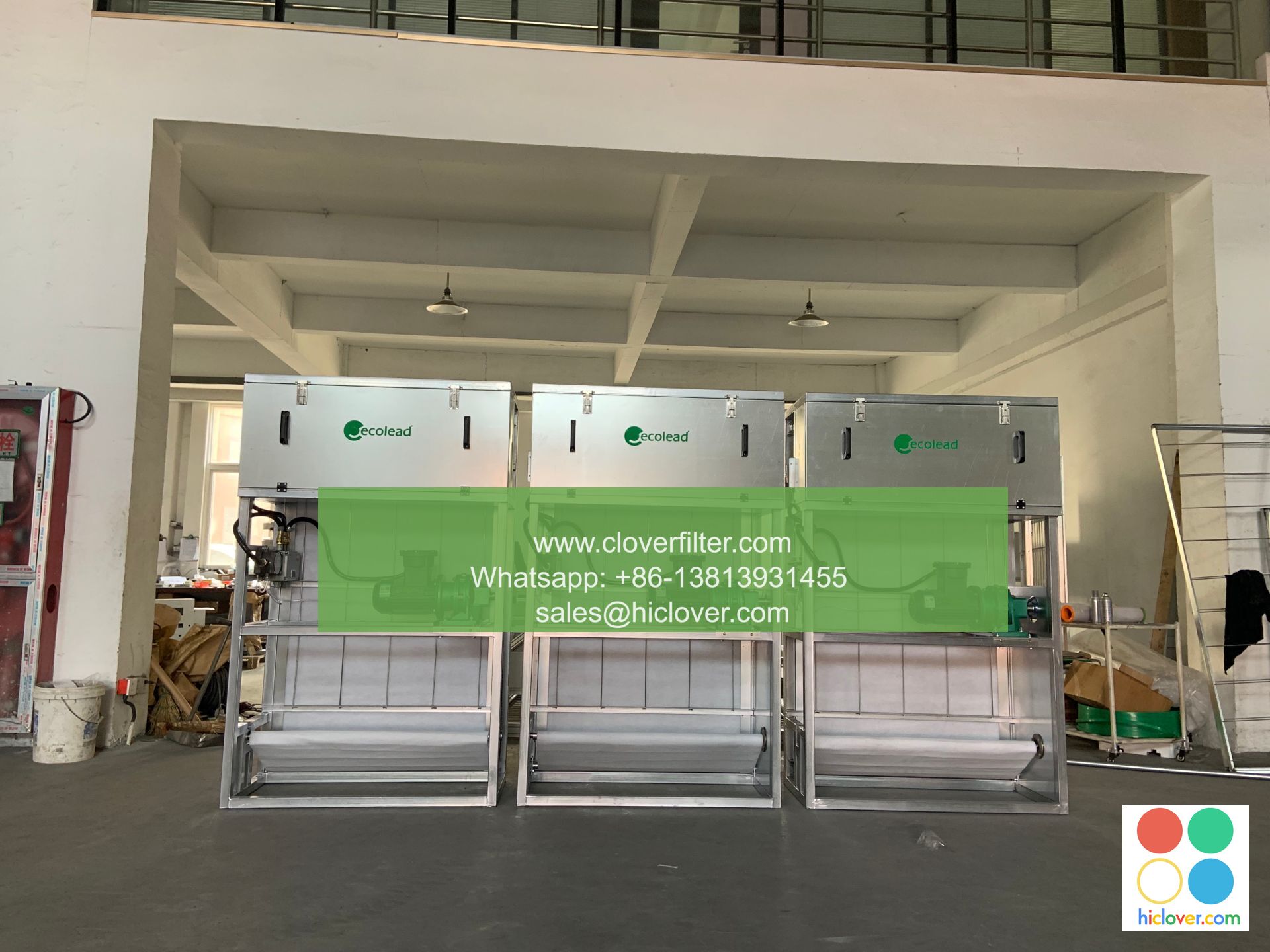
An Automatic Roll Air Filter is a cutting-edge filtration system designed to optimize air quality in HVAC and air handling unit (AHU) applications. Utilizing a continuous roll media, these filters are designed for environments requiring frequent filter changes and consistent air quality. The roll media advance logic allows the filter to utilize a fresh section of media as the used portion becomes clogged, ensuring optimal performance and prolonged lifespan.
How It Works
Key Specifications for Selection
When selecting an Automatic Roll Air Filter, consider the following factors to ensure optimal performance:
Comparison Table
| Air Filter Type | Best Use Case | Maintenance | Pressure Drop Behavior | Operating Cost | Typical Risk/Downside |
|---|---|---|---|---|---|
| Automatic Roll Filter | High-traffic environments | Low, automated | Low with timely changes | Medium | Initial setup cost |
| Bag Filter | General particulate control | Medium | Moderate | Medium | Risk of bypass at high loads |
| Panel Filter | Cost-efficient, basic needs | High, manual | High | Low | Frequent changes needed |
| V-bank | Large-scale operations | Medium | Moderate | Medium | Requires space for installation |
Common Mistakes & How to Avoid Them
Real-World Scenarios
Data Center
In a high-density data center, an Automatic Roll Air Filter was installed at the fresh air intake. This solution effectively maintained low particle counts, improving both equipment reliability and operational efficiency, thus meeting strict regulatory standards.
Lithium Battery Factory
A lithium battery manufacturing facility required stringent control of particulate matter to prevent contamination. By integrating CloverFilter’s Automatic Roll Air Filter, the facility enhanced its air quality compliance while reducing maintenance intervals.
Paint Shop
A paint shop utilized Automatic Roll Air Filters at the spray booths. The automated filter system helped maintain the necessary air quality while minimizing volatile organic compounds (VOCs), ensuring compliance with environmental regulations.
Textile/Cement Plant
In a textile and cement production environment, maintaining clean air filter regulations was vital. By deploying CloverFilter’s solutions, the plant improved air quality metrics significantly, reducing both operational costs and health risks for workers.
FAQs
What is a HEPA filter?
A HEPA filter is a high-efficiency particulate air filter capable of trapping 99.97% of particles that are 0.3 microns or larger.
Why are HEPA filters important for regulatory compliance?
They are designed to meet stringent air quality standards crucial for health and safety in various industries.
How does an Automatic Roll Air Filter benefit my HVAC system?
These filters provide continuous filtration without manual intervention, enhancing efficiency and reducing maintenance costs.
What maintenance is required for Automatic Roll Air Filters?
Regular checks on the differential pressure and timely roll media changes are essential for optimal performance.
Can I integrate these filters into my existing HVAC system?
Yes, Automatic Roll Air Filters are designed for compatibility with a variety of existing systems.
How does the energy consumption of these filters compare to traditional options?
Typically, they have lower energy consumption due to efficient design and automated pressure monitoring.
Are CloverFilter products certified?
CloverFilter products meet several industry standards; specific certifications are available upon request.
What industries most benefit from HEPA filters?
Industries such as healthcare, manufacturing, and data centers rely heavily on HEPA filtration for regulatory compliance.
How do I know if I’m meeting air filter regulations?
Regular monitoring, maintenance, and careful selection of filters like CloverFilter’s can ensure compliance with local regulations.
Where can I learn more about CloverFilter products?
Visit CloverFilter for detailed information on our range of filtration solutions or to get in touch with our team.
Meta Description: Discover the critical role of HEPA filters in meeting air filter regulations and how CloverFilter’s Automatic Roll Air Filter can enhance compliance and efficiency.
For more information on improving your filtration systems and ensuring regulatory compliance, contact CloverFilter today at CloverFilter.
It seems like you may have a specific prompt or topic in mind that you’d like me to assist with. Could you please provide more details or clarify what you’re looking for? Whether it’s a writing prompt, a question, or a subject you’d like to explore, I’m here to help!
