The Importance of Indoor Air Quality: Vancouver’s Automatic Roll Air Filter Plant’s Insights

The Importance of Indoor Air Quality
Indoor Air Quality (IAQ) is an essential aspect of maintaining a healthy living or working environment. Poor IAQ is often linked to various health issues, ranging from minor irritations to severe respiratory diseases. With increasing urbanization and industrial activity, it has become vital for people to understand the quality of the air they breathe indoors. Vancouver’s Automatic Roll Air Filter Plant provides incredible insights into effective measures to enhance IAQ, leveraging state-of-the-art technology to ensure cleaner air.
Understanding Indoor Air Quality
Indoor Air Quality refers to the condition of the air within buildings and structures, especially as it relates to the health and comfort of the occupants. Key factors affecting IAQ include the presence of air pollutants, humidity levels, temperature, and ventilation. Common indoor air pollutants include volatile organic compounds (VOCs), biological pollutants such as mold and dust mites, and particulate matter. In Vancouver, where heavy rains can lead to mold growth, prioritizing IAQ is crucial.
The Role of Vancouver’s Automatic Roll Air Filter Plant
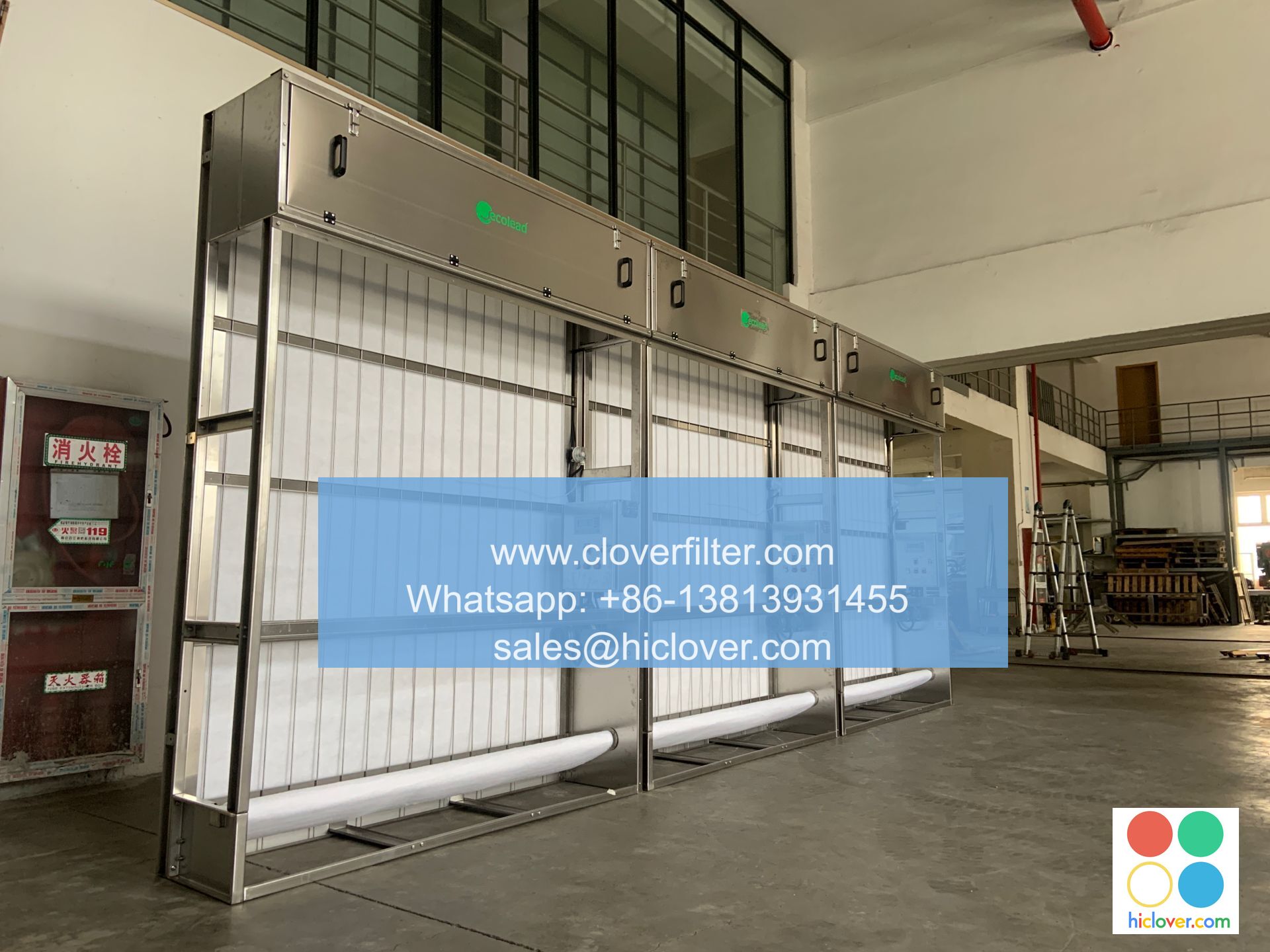
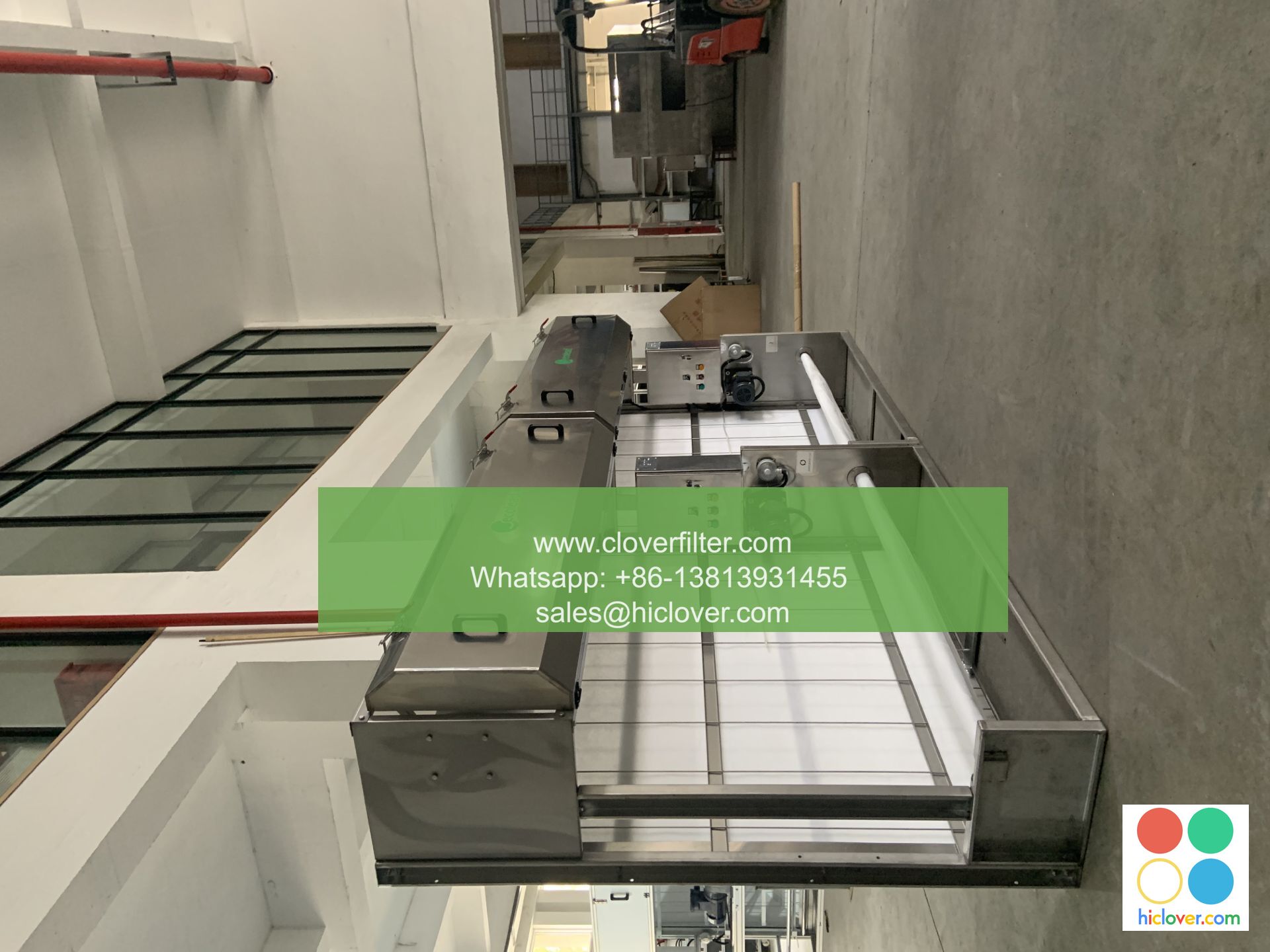
The Automatic Roll Air Filter Plant in Vancouver is at the forefront of improving IAQ with its innovative solutions. This facility specializes in the manufacturing of high-efficiency air filters designed to capture various airborne contaminants effectively. The plant adopts cutting-edge technology to automate the production of air filters, ensuring consistency, quality, and efficiency. Through extensive research, the plant has developed filters that not only trap larger particles but also reduce the presence of harmful microscopic allergens.
Health Implications of Poor Indoor Air Quality
According to various studies, poor IAQ can lead to a myriad of health problems. Short-term exposure to indoor air pollutants can cause headaches, dizziness, fatigue, and respiratory issues. Long-term exposure has been associated with chronic diseases such as asthma, cardiovascular disease, and even some cancers. Vulnerable populations such as children, the elderly, and individuals with pre-existing health conditions are particularly at risk. Understanding these implications highlights the importance of initiatives undertaken by facilities like Vancouver’s Automatic Roll Air Filter Plant.
Strategies for Improving Indoor Air Quality
To mitigate the adverse effects of poor IAQ, various strategies can be implemented. Regular maintenance of air conditioning systems, proper ventilation, and the use of high-efficiency air filters are key measures. The Automatic Roll Air Filter Plant emphasizes the importance of regularly changing air filters to maintain optimal performance. Furthermore, investment in air purification systems can help eliminate airborne toxins and allergens, improving overall air quality within residential and commercial spaces.
Conclusion
Indoor Air Quality is a crucial determinant of health and well-being, especially in urban settings like Vancouver where environmental factors play a significant role. Facilities like the Automatic Roll Air Filter Plant are essential in providing effective air quality solutions that can significantly impact communities. By adopting proactive measures to improve IAQ, individuals can safeguard their health and create more pleasant living and working environments. The ongoing conversation about IAQ highlights the importance of awareness and education, ensuring that everyone understands the vital role clean air plays in our daily lives.
FAQs
- What are the most common indoor air pollutants?
- The most common indoor air pollutants include volatile organic compounds (VOCs), particulate matter, carbon monoxide, tobacco smoke, and biological pollutants like mold and pet dander.
- How can I improve the air quality in my home?
- To improve air quality at home, ensure adequate ventilation, use high-efficiency air filters, avoid indoor smoking, reduce the use of VOCs, and incorporate air purifiers when necessary.
- How often should air filters be replaced?
- It is recommended to replace air filters every 1 to 3 months, depending on usage and the type of filter. Regular checks can ensure optimal performance.
- Can indoor plants improve air quality?
- Yes, some indoor plants are known to help improve air quality by absorbing certain pollutants and releasing oxygen. However, they should not replace proper air filtration systems.
