The Importance of Particle Size in Air Filtration
Key Takeaways
- Particle size directly affects air filter efficiency and performance.
- Proper air filter engineering is essential for optimal HVAC system operation.
- An Automatic Roll Air Filter effectively manages differential pressure and extends maintenance intervals.
- Understanding airflow characteristics is crucial for selecting the right filter.
- Regular evaluations can prevent costly downtime in critical environments.
- Airflow Range: Determine your facility’s airflow requirements. The filter must accommodate the system’s required cubic feet per minute (CFM).
- Face Velocity: This should be tailored to the specific application, generally falling within 300-700 feet per minute.
- Media Width/Length: Select dimensions suitable for your HVAC system.
- Frame Size: Ensure the filter frame fits into your pre-existing AHU setup.
- Control Options: Look for compatibility with building management systems.
- Power Supply: Consider whether the installation site has necessary electrical access.
- Installation Location: Options include fresh air intake, return, or direct process air.
- Ignoring Particle Size Distribution: Always conduct an air quality assessment to understand particle profiles.
- Overlooking Airflow Requirements: Match the filter to your system’s specific airflow needs.
- Neglecting Maintenance Needs: Regularly schedule inspections to optimize performance.
- Choosing Based on Price Alone: Evaluate overall value including longevity and performance.
- Inadequate Training: Ensure facility staff are trained on filter selection and maintenance.
- Failing to Monitor Pressure Drop: Regularly check differential pressure to avoid system overload.
- Not Considering Filter Location: Choose filter placement based on intended air quality outcomes.
- Underestimating Environmental Factors: Assess the specific environment, such as humidity or temperature fluctuations.
- Inadequate Documentation: Maintain logs for filter performance and replacement.
- Ignoring Compliance Standards: Be aware of compliance with standards like ISO 16890 without claiming certification unless verified.
-
Data Center: A leading data center implemented CloverFilter’s Automatic Roll Air Filter to manage critical air quality. This system not only minimized particulate exposure but also extended maintenance intervals, saving time and resources.
-
Battery Factory: In a lithium battery manufacturing facility, the Automatic Roll Air Filter proved invaluable in controlling harmful dust particles. The system’s temperature and humidity management features optimized production conditions while ensuring compliance with safety standards.
-
Paint Shop: An automotive paint shop adopted the Automatic Roll Air Filter for its capability to manage solvent vapors and overspray particulates. The reduced risk of contamination improved product quality and enhanced worker safety.
-
Textile/Steel/Cement Plant: An industrial site faced significant particulate challenges. Switching to CloverFilter’s advanced filtration system not only improved air quality but also reduced energy consumption, proving a significant cost-saving measure.
Understanding Particle Size and Air Filtration
When it comes to air filter engineering, recognizing the importance of particle size is fundamental in designing efficient filtration systems. Particulate matter in the air varies significantly in size, ranging from larger dust particles to microscopic allergens, each requiring different filtration methods. Knowing how these particles interact with air filters allows HVAC engineers to select appropriate solutions that ensure clean air in various environments, from hospitals to manufacturing plants.
What is an Automatic Roll Air Filter?

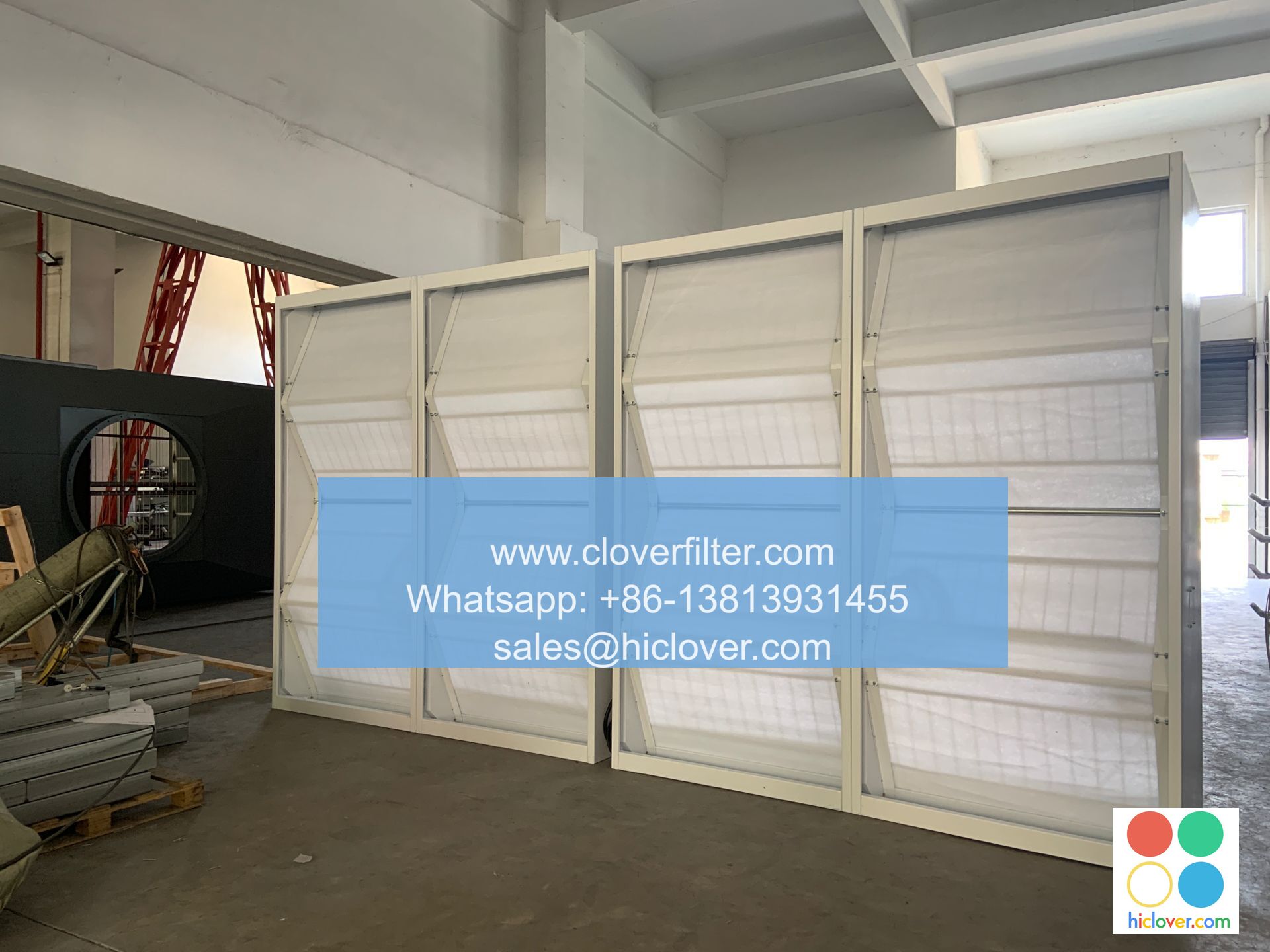
An Automatic Roll Air Filter is an advanced filtration solution commonly used in HVAC and air handling unit (AHU) systems. This type of filter features a roll media that automatically advances as it collects particulates, ensuring optimal performance with minimal manual intervention. It operates using a differential pressure trigger; when the pressure across the filter reaches a determined threshold, the system automatically advances the media to a fresh section, thus maximizing efficiency.
Furthermore, the filter can operate in timer mode, allowing facility managers to program regular media advancements, aligning with operational schedules. The Automatic Roll Air Filter is ideal for fresh air intake applications, ensuring facilities like data centers and industrial environments maintain stringent air quality standards.
Practical Selection Guide for Automatic Roll Air Filters
When considering an Automatic Roll Air Filter, it’s vital to assess several factors to ensure compatibility with your system:
Comparison Table: Automatic Roll Air Filter vs Other Filter Types
| Filter Type | Best Use Case | Maintenance | Pressure Drop Behavior | Operating Cost | Typical Risk/Downside |
|---|---|---|---|---|---|
| Automatic Roll Air Filter | High-volume, variable airflow areas | Low maintenance needs | Low, stable pressure | Moderate | Media replacement required |
| Bag Filter | General HVAC systems | Moderate to high | Moderate, variable | Low | Bulky, higher change-out costs |
| Panel Filter | Standard non-critical areas | Low, frequent change | Low initial cost | Low | Limited lifespan, inefficient |
| V-bank Filter | Industrial-heavy dust applications | Moderate | Moderate, evolving | Moderate | Performance drops over time |
Common Mistakes & How to Avoid Them
Real-World Scenarios
FAQs
Q1: How often should I change my Automatic Roll Air Filter?
A1: The frequency of changes varies based on usage and air quality but typically between 6-12 months.
Q2: Can I retrofit an Automatic Roll Air Filter into existing HVAC systems?
A2: Yes, most installations can accommodate an Automatic Roll Air Filter with minor modifications.
Q3: What’s the main advantage of using roll media technology?
A3: Roll media technology provides a consistent filtration area that adapts to varying particulate loads automatically.
Q4: How does particle size affect filter selection?
A4: Smaller particles may require higher MERV ratings or specialized filters to ensure adequate capture.
Q5: Are there compliance certifications for Automatic Roll Air Filters?
A5: Filters can meet frameworks like ISO 16890 or MERV standards, but specific certification should be confirmed at purchase.
Q6: What maintenance is involved with Automatic Roll Air Filters?
A6: Maintenance is relatively low, primarily involving monitoring the differential pressure and replacing filter media as needed.
Conclusion
Understanding the importance of particle size within air filter engineering is critical to ensure clean air in diverse environments. Proper selection and implementation of Automatic Roll Air Filters, like those offered by CloverFilter, can significantly enhance air quality while optimizing system efficiency. For tailored solutions, reach out to CloverFilter’s experts through their contact page: CloverFilter Contact.
Meta Description: Learn how particle size impacts air filtration, including the benefits of Automatic Roll Air Filters in HVAC systems. Discover practical selection tips and more.
It seems like you might want something specific, but your request is a bit unclear. Could you provide more details or clarify what you’re looking for? Whether it’s a writing prompt, information on a topic, or assistance with something else, I’m here to help!
